


More news on this day
London Gatwick has been named the UK’s most stressful airport for summer travel, after new research found it suffers the longest average departure delays and one of the highest disruption rates among the country’s major hubs.
Get the latest news straight to your inbox!
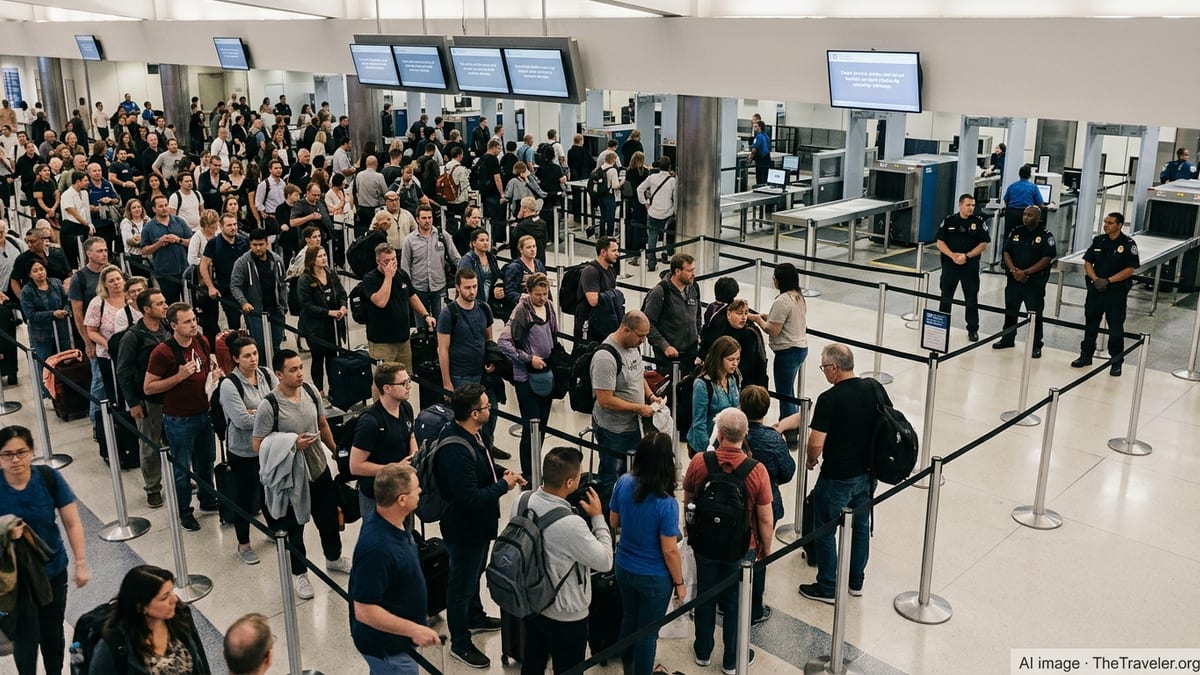
Data shows Gatwick topping new summer stress index
Recent analysis by online tour operator Exoticca, using UK Civil Aviation Authority data, ranks Gatwick as the most stressful airport in the UK for summer travel. The study examined performance during the peak months of June, July and August between 2023 and 2025, creating a composite “stress score” based on average departure delays and the proportion of flights cancelled.
Gatwick received a stress score of just over 72 out of 100, the highest among the airports assessed. The findings indicate an average departure delay of more than 31 minutes, the longest of any UK airport covered by the research. The figures reinforce a pattern already visible in earlier CAA-based analyses that placed Gatwick at or near the bottom of the national punctuality table several years in a row.
Additional reviews of 2024 performance echo those results. National media analysis of CAA statistics for last year found departures from Gatwick running more than 23 minutes behind schedule on average, making it the worst airport in the UK for flight delays for a second consecutive year. Together, these datasets suggest that the current 2026 summer season is unfolding against a backdrop of persistent structural pressure at the country’s second‑busiest hub.
The latest stress ranking also lands at a time when overall European aviation is under strain. Network performance reports for 2024 and early 2025 highlight record levels of en‑route air traffic management delay, meaning that problems at Gatwick cannot be viewed in isolation from wider congestion and capacity challenges across the continent.
Single runway, tight schedules and air traffic constraints
Gatwick’s position as the world’s busiest commercial airport operating primarily from a single runway is frequently cited as a key factor behind its vulnerability to disruption. With movements taking place roughly every 55 seconds at peak times, even small operational issues can rapidly ripple through the day’s schedule if recovery options are limited.
Industry reports point to a combination of elements feeding into the current pattern of delays. Staffing and capacity issues in air traffic control, both at Gatwick’s own tower and in parts of continental Europe, have been highlighted in recent aviation performance papers as major contributors to summer disruption. When traffic is heavy, any reduction in available airspace capacity tends to force holding patterns and missed departure slots, which then show up in airport punctuality statistics.
Weather volatility, particularly during stormy summer afternoons, can further reduce runway throughput. With only one main runway in use for departures and arrivals, there is less room at Gatwick to absorb unscheduled gaps or go‑arounds without knock‑on effects. Operational briefings and oversight committee minutes published in recent years repeatedly flag the need to manage runway occupancy tightly and to coordinate closely with NATS, the air navigation service provider responsible for tower and approach control.
Airport financial and operational reports for 2024 stress that resource levels and resilience measures were strengthened ahead of busy seasons, but they also acknowledge that external factors such as wider network delays, global IT outages and airline scheduling decisions continue to shape the passenger experience. The new stress ranking suggests those efforts have so far not been sufficient to significantly alter Gatwick’s relative position in national league tables.
Passengers face queues, missed connections and knock‑on disruption
For travellers, the abstract notion of a “stress score” translates into very concrete issues on the ground. Longer average departure delays mean extended time in departure lounges, crowded gate areas and an increased risk of missing onward connections, particularly for passengers using Gatwick to reach long‑haul or onward European services.
Publicly available accounts from passenger‑rights organisations indicate that tens of thousands of Gatwick passengers in summer 2024 alone qualified for compensation under UK 261 rules due to severe delays or cancellations. One analysis by flight‑disruption specialist AirHelp found that more than half of passengers using the airport in July and August 2024 experienced some form of disruption, underlining how widespread the issue has become during peak travel months.
Reports from consumer groups and travel forums highlight recurring themes. Families travelling in school holidays describe arriving early in anticipation of queues, only to face last‑minute gate changes or rolling delays. Short‑haul leisure routes have seen repeated schedule adjustments and occasional cancellations, forcing rebookings and unplanned overnight stays when alternative seats are scarce.
Inside the terminal, crowding can intensify when large numbers of flights are pushed back by similar amounts of time. Lounge and seating capacity is often stretched, and food, beverage and retail outlets experience surges as passengers wait out delays. While many of these pressures are not unique to Gatwick, its consistently high delay averages mean they are likely to be more frequent and more visible here than at many rival airports.
Summer 2026 outlook under the shadow of past seasons
The latest ranking arrives just as the main 2026 holiday season gets under way, and travel analysts are already asking whether this summer will repeat the patterns of 2024 and 2025 or show signs of improvement. Eurocontrol’s most recent assessments of European network performance point to only gradual easing of en‑route delays, suggesting that structural constraints in airspace capacity remain in place across key regions serving the UK.
At the same time, Gatwick has continued to grow. Airport statistics indicate that passenger numbers rose again in 2024 compared with 2023, with more than 43 million travellers passing through the terminal complex. A broader route network and higher daily movements mean more people could potentially be affected when disruption occurs, even if punctuality metrics improve slightly.
Trade bodies and consumer advocates are using the new “most stressful” label to call for closer scrutiny of how airlines and airports build their summer schedules. Suggestions frequently raised in public discussion include longer turnaround buffers, more conservative slot planning on heavily used routes and clearer real‑time communication to passengers when problems arise. Others argue that staffing and infrastructure investment in air traffic management will be critical if hubs such as Gatwick are to operate reliably at or near existing capacity levels.
For now, the Exoticca ranking adds another data point to a growing body of evidence that Gatwick remains one of the UK’s most challenging airports for summer travellers. With school holidays and peak getaway weekends approaching, passengers using the airport in the coming weeks are likely to pay close attention to scheduled departure times, contingency options and the latest performance data as they plan their journeys.