


More news on this day
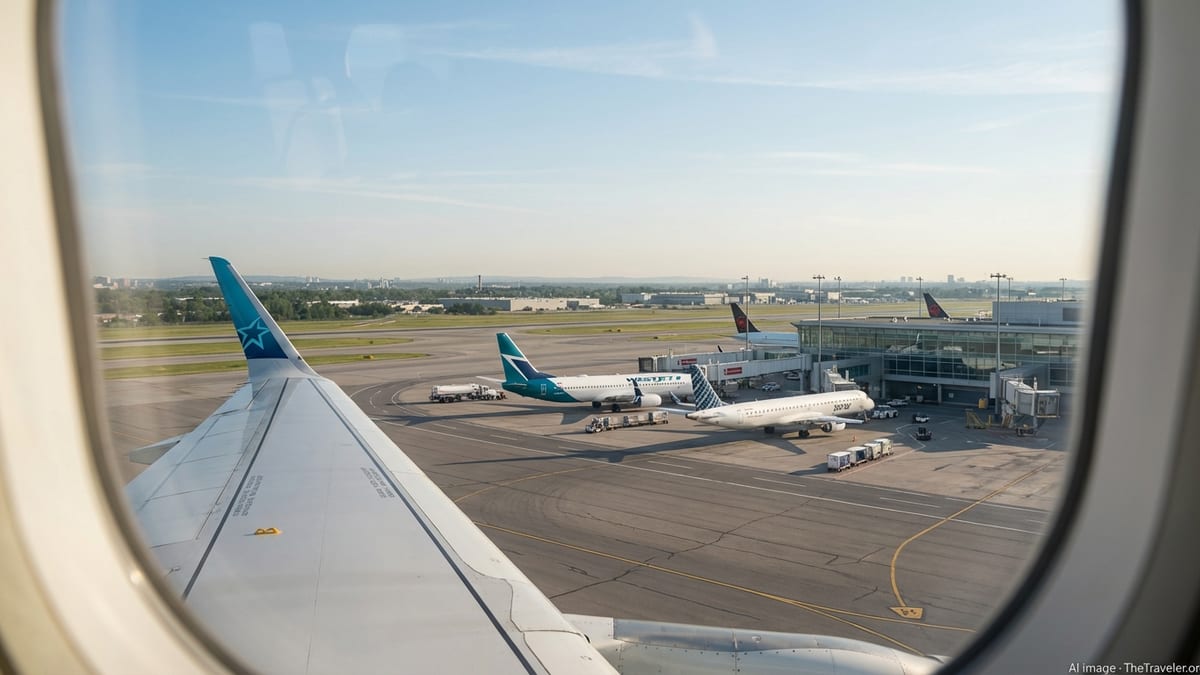
Travelers across Canada faced widespread disruption today as seven of the country’s busiest airports reported 52 flight cancellations and 223 delays, affecting operations for Air Canada, WestJet, Jazz, Porter, Flair and several other carriers.
Get the latest news straight to your inbox!
Nationwide Disruptions Concentrated at Major Hubs
Publicly available airport status boards and industry tracking data for June 30, 2026 indicate that flight operations were significantly disrupted at Toronto Pearson, Montreal Trudeau, Calgary, Ottawa, Winnipeg, Edmonton and Quebec City. Across these seven airports, 52 flights were cancelled outright while a further 223 were delayed, creating a ripple effect across Canada’s domestic and transborder networks.
The largest volume of delays was recorded at Toronto Pearson, where a high density of domestic and international connections magnified the impact on connecting passengers. Reports indicate that Montreal Trudeau and Calgary International also saw heavy disruption, with multiple departures pushed back and a number of regional links scrubbed from the schedule.
Ottawa, Winnipeg, Edmonton and Quebec City experienced fewer total movements but still saw a meaningful share of cancellations and late departures, particularly on short-haul routes that feed into Toronto and Montreal. Even modest schedule changes at those secondary hubs translated into missed connections and longer travel days for passengers attempting to reach smaller cities.
The disruption did not appear to be isolated to a single time window. Data suggests that delays and cancellations were scattered from early morning departures through to late evening flights, complicating recovery efforts and making it harder for airlines to reposition aircraft and crews.
Multiple Airlines Affected, With Regional Operations Hit Hard
The latest figures show that a broad range of carriers were affected, with regional and low-cost operators particularly exposed. Jazz, which operates a large share of Air Canada’s regional services, recorded the highest number of cancellations among individual carriers, with more than thirty flights scrubbed and dozens more delayed across the seven airports.
Air Canada’s mainline network also faced pressure, especially on trunk routes linking Toronto, Montreal and Western Canada. Delays on key morning departures translated into knock-on effects for afternoon and evening rotations, as aircraft and crews struggled to recover their assigned schedules.
WestJet, Porter and Flair all registered a mix of cancellations and delays, most prominently on domestic services connecting Calgary, Edmonton, Winnipeg, Toronto and Ottawa. For low-cost and regional airlines that operate with tighter fleet utilization and fewer spare aircraft, even a handful of cancellations can quickly limit options for reaccommodating passengers.
Published coverage also indicates that several international and leisure-focused airlines, including Air Transat and foreign carriers serving Canadian gateways, encountered secondary disruption where their operations intersected with the affected hubs. In many cases, late arrivals from Canada’s domestic network led to missed onward departures and forced rebookings.
Operational Strain Adds to a Pattern of Recent Disruptions
Industry observers note that the June 30 disruption follows a series of difficult operational days for Canadian aviation in recent weeks. Separate tracking on June 28 showed an even higher tally of delays nationally, with more than 300 late departures and around 60 cancellations affecting many of the same airports.
This pattern reflects the ongoing vulnerability of Canada’s aviation system to a mix of factors, including weather volatility, tight crew scheduling and high summer demand. Even modest thunderstorms or low-visibility conditions at one or two key hubs can cascade through a network in which many aircraft perform several legs per day, leaving little slack to absorb unexpected problems.
While today’s disruption was not tied to a single headline event, the numbers underscore how thin operating margins can be. Once flights begin leaving late in the early morning banks, subsequent rotations often inherit those delays, particularly at busy hubs like Toronto Pearson and Montreal Trudeau that manage high volumes of arrivals and departures in compressed time periods.
Analysts point out that Canadian carriers have been working to rebuild capacity and streamline schedules in the wake of pandemic-era reductions and previous summers of operational turbulence. Nonetheless, the latest figures suggest that, during peak travel periods, a combination of weather, congestion and resource constraints can still quickly overwhelm recovery plans.
What the Disruptions Mean for Travelers
For passengers, the immediate impact of 52 cancellations and 223 delays is longer travel times, missed connections and, in some cases, overnight stays or re-routed itineraries. Travelers departing from or connecting through the seven affected airports reported extended waits in terminal areas, busy customer service desks and high demand for remaining seats on later flights.
Consumer advocates emphasize that Canadian travelers have specific rights under the country’s Air Passenger Protection Regulations when flights are delayed or cancelled for reasons within an airline’s control. Where disruptions are linked to factors such as crew scheduling, maintenance planning or other operational decisions, passengers may be eligible for meal vouchers, accommodation, rebooking at no additional cost and, in some cases, monetary compensation.
However, when cancellations are attributed to conditions outside the airline’s control, such as severe weather or air traffic restrictions, entitlements can be more limited. In those cases, airlines may still provide assistance, but compensation rules differ from situations considered controllable from an operational standpoint.
Travel experts generally advise passengers to monitor their flight status frequently on the day of travel, allow extra time for connections where possible and maintain flexibility regarding alternate routings. During periods of widespread disruption such as those seen today, the most realistic outcome for many travelers is a later arrival rather than a same-day replacement flight at the original time.
Growing Scrutiny of Reliability in Canada’s Air Network
The latest day of cancellations and delays is likely to add to public debate over the reliability of Canada’s air transport system. Over the past year, performance at major Canadian airports has drawn increased attention from travelers, industry analysts and consumer organizations, particularly during holiday peaks and severe weather events.
Published analyses of on-time performance have repeatedly highlighted that a relatively small number of large hubs handle the majority of Canada’s passenger volume. When those hubs encounter stress, smaller communities reliant on regional links often see their flights cancelled first, potentially disrupting essential travel as well as leisure and business trips.
Advocates for passengers argue that more transparency around the root causes of delays and cancellations would help travelers understand whether problems stem from weather, staffing, infrastructure or other issues. They also note that consistent reporting of punctuality and cancellation rates, broken down by carrier and route, could support better planning by both airlines and the traveling public.
For now, the latest figures from June 30 serve as another reminder that travelers in Canada remain vulnerable to sudden, large-scale disruptions. With the busy summer season underway, how airlines and airports manage recovery from days like this will be closely watched by passengers whose plans depend on a more reliable network.