


More news on this day
Passengers across Germany faced hours of disruption as 284 delayed flights and six cancellations rippled through major hubs in Berlin, Hamburg, Frankfurt and Munich, affecting services from Lufthansa, easyJet, Air France, Ryanair and several other carriers.
Get the latest news straight to your inbox!
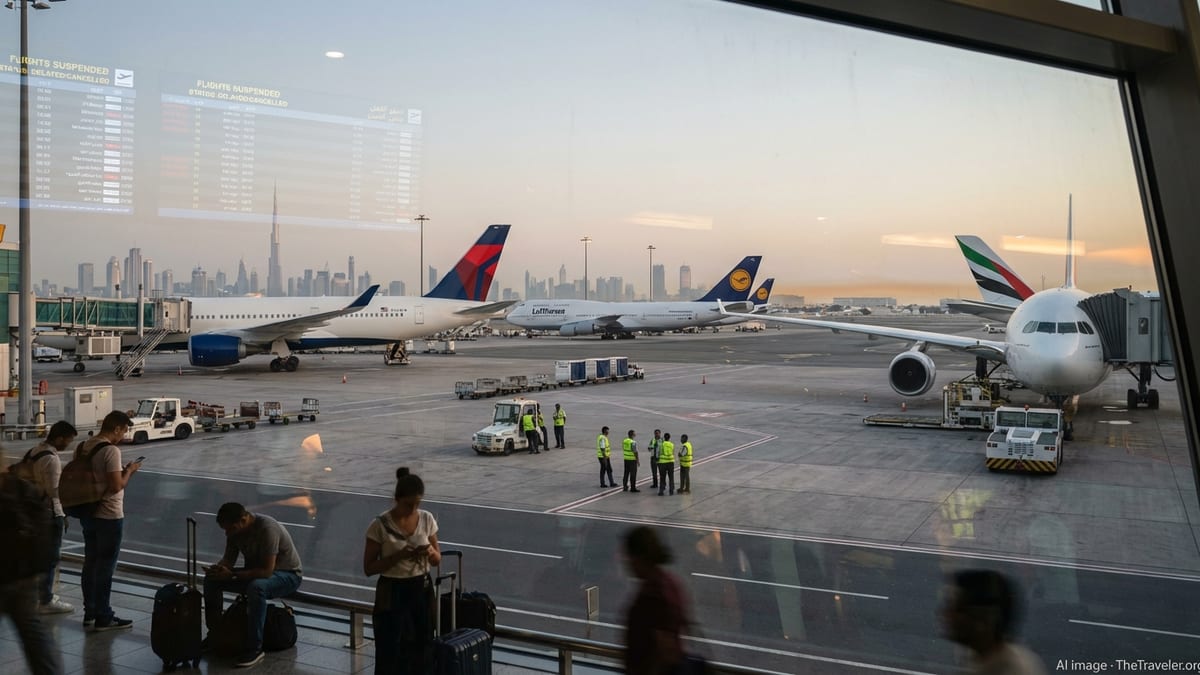
Knock-on Disruptions Across Germany’s Busiest Airports
Publicly available aviation data for Thursday and Friday indicate that Germany’s four major hubs saw a concentrated spike in delays, with Berlin, Hamburg, Frankfurt and Munich collectively registering 284 affected departures and arrivals. While only six flights were fully canceled, the scale of late operations led to missed connections and extended waits for thousands of travelers.
The disruption pattern follows a season of heightened operational stress in the German and wider European aviation network, with earlier reports highlighting rolling problems linked to industrial action, weather and air-traffic control constraints. In recent weeks, Frankfurt and Munich in particular have repeatedly been identified as pressure points, as carriers attempt to restore normal schedules after earlier strikes and weather-related backlogs.
On the ground, the impact was most visible in departure halls and transfer zones, where passengers queued to rebook missed onward flights or waited for updated departure times. While flight boards showed relatively few outright cancellations, long clusters of services running one to three hours late created a cumulative effect that left many travelers stranded far from their intended destinations late into the evening.
According to published coverage of Germany’s recent aviation performance, the four airports involved are among the country’s highest-volume nodes, meaning even modest disruptions create a ripple effect across domestic and intra-European traffic. The latest delays added another layer of complexity for airlines already navigating tight crew rotations and aircraft availability.
Major Carriers Under Pressure, From Legacy to Low Cost
Data compiled from flight-tracking and passenger-rights platforms show that the disruption was spread across a broad mix of airlines, including network carriers such as Lufthansa and Air France and low cost operators such as easyJet and Ryanair. This aligns with broader European patterns this year, where multiple monitoring reports have found that disruption is no longer confined to any single business model or market segment.
Lufthansa, Germany’s largest airline by departures, remains particularly exposed whenever turbulence hits the country’s hubs because of its dense network of feeder flights into Frankfurt and Munich. Recent reporting on pilot and cabin crew strikes at the carrier underlined how quickly operations can unravel when staff availability tightens, and the latest wave of delays appears against that backdrop of recent labor unrest and schedule recovery.
For easyJet and Ryanair, both of which maintain significant German operations and rank among Europe’s largest short haul carriers by frequency, the disruption adds to an already demanding operational year. Industry analyses have noted that these airlines operate with high aircraft utilization and tightly timed turnarounds, which can quickly translate into multi-sector knock-on delays when even a single rotation runs late.
Air France’s involvement reflects the international nature of the disruption, given the airline’s role in connecting German cities to its Paris Charles de Gaulle hub. Published European performance summaries for early 2026 have repeatedly placed Air France among the carriers experiencing elevated delay volumes, as the airline juggles congested airspace, crew planning and strong post-pandemic demand.
Recent Strikes and Winter Weather Feed a Fragile System
The latest figures did not emerge in isolation. In recent months, Germany’s aviation network has weathered a series of shocks, including winter storms that led to dozens of cancellations and hundreds of delays at northern airports, and multiple rounds of industrial action affecting Lufthansa operations at Frankfurt and Munich. These earlier events left airlines with little slack in their systems as they moved into the spring schedule.
Published coverage of a two day Lufthansa pilot walkout in mid April, for example, described flight programs cut by as much as 80 to 90 percent at the carrier’s main hubs, with hundreds of thousands of passengers affected. Even after strike actions ended, recovery took several days as aircraft and crews were repositioned, leaving timetables more vulnerable to subsequent disruption spikes such as the one now seen across the four German hubs.
In northern Germany, reports from January detailed how heavy snowfall and crosswinds forced widespread delays and cancellations at Hamburg and Berlin, while also affecting Düsseldorf. Those conditions prompted airlines to thin schedules, reroute traffic and extend minimum connection times. The cumulative effect has been to keep German operations on a precarious footing, where relatively small operational issues can quickly escalate into broader network challenges.
Experts quoted in recent aviation analyses have repeatedly pointed to tight staffing, congested airspace and delayed aircraft deliveries as structural factors that limit airlines’ ability to absorb shocks. Against this backdrop, the latest tally of 284 delays and six cancellations across Berlin, Hamburg, Frankfurt and Munich fits a pattern of frequent, medium scale disruptions rather than isolated one off incidents.
Impact on Passengers and Their Rights Under EU Rules
For travelers, the most immediate impact was missed meetings, lost holiday time and unexpected overnight stays. Airports reported busy rebooking desks and customer service counters as airlines sought to accommodate stranded passengers, either onto later services the same day or onto flights the following morning. Given the limited number of outright cancellations, many passengers eventually departed, but often with significant schedule changes.
Publicly available guidance from passenger rights organizations stresses that, under European Union Regulation 261, air travelers departing from EU airports may be entitled to assistance and in some cases financial compensation when flights are severely delayed or canceled. The level of support depends on the length of delay, flight distance and the cause of the disruption, with weather and air traffic control constraints often treated differently from issues within an airline’s control.
In earlier German disruption events this year, rights-focused platforms have highlighted examples of carriers providing meal vouchers, hotel accommodation and transport for passengers facing overnight delays. They have also encouraged travelers to keep records of boarding passes, booking confirmations and receipts, and to submit formal claims when eligible. While it is not yet clear how compensation will play out for the latest wave of delays, similar advice is likely to apply.
Consumer advocates regularly remind passengers that claims can take weeks or months to resolve, especially when multiple airlines and connecting itineraries are involved. With several major carriers sharing responsibility for the current disruption at Germany’s main hubs, many affected travelers may have to navigate complex claim processes in the weeks ahead.
What the Latest Disruption Signals for Summer Travel
The concentration of delays at four of Germany’s key airports provides an early signal of how fragile operations may be heading into the peak summer season. Forward looking aviation monitors for 2026 show continued growth in departures from carriers such as Lufthansa and Ryanair, alongside capacity increases from easyJet and other low cost airlines at German airports. Rising traffic without corresponding gains in resilience could leave travelers facing more frequent disruption.
Recent editions of Germany’s own aviation monitoring reports highlight that Frankfurt and Munich remain crucial long haul gateways, while Berlin and Hamburg continue to expand their roles as short haul and leisure traffic bases. As carriers add new routes and frequencies, particularly on popular intra European sectors, any operational bottlenecks at these airports may quickly reverberate across multiple countries.
Travel news services and analytics providers have already been advising passengers to build additional buffer time into itineraries through major European hubs this year. The latest round of delays across Berlin, Hamburg, Frankfurt and Munich is likely to reinforce those recommendations, especially for travelers making tight connections or heading to time sensitive events.
For now, schedules show that airlines intend to operate near full summer programs in Germany, despite the recent turbulence. Whether the system can handle peak demand without repeating the scenes of stranded passengers and cascading delays seen in this latest episode will be a key test for carriers and airports alike in the months ahead.