


More news on this day
Two developments this week are sharpening debate over how artificial intelligence should handle both people’s travel data and children’s online interactions, as Google moves to buy Spirit Airlines’ business records and OpenAI expands safety measures around ChatGPT use by minors.
Get the latest news straight to your inbox!
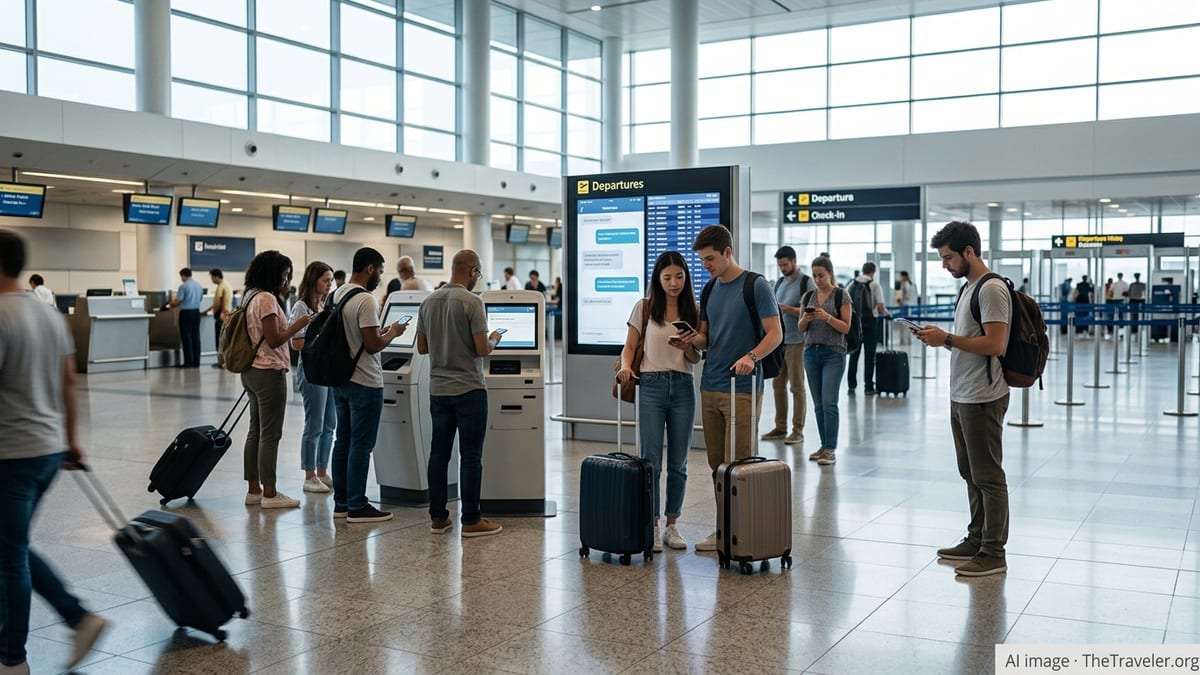
Google’s $10 Million Bet on Spirit Airlines Data
Google has agreed to pay about 10 million dollars for access to Spirit Airlines’ trove of business information, according to bankruptcy court filings and industry reports. The deal covers a vast archive that includes corporate emails, internal chats, documents, flight pricing records, and anonymized passenger information from the low-cost carrier. Spirit is winding down operations after a failed merger and mounting financial pressures, and the data sale is emerging as one of the most valuable remaining assets in its restructuring.
Publicly available information indicates that Google outbid at least one AI-focused company to secure the Spirit data. Analysts note that the price reflects both the volume and diversity of the material, with estimates pointing to hundreds of millions of emails and chat messages, as well as extensive operational and commercial records built up over years of airline operations. For the travel sector, the auction underscores how datasets created for traditional business purposes are increasingly being repurposed for AI development.
Google has signaled through statements to technology outlets that it intends to use the material to improve AI models and products, rather than to enter the airline business. The data is expected to help refine tools such as demand forecasting, customer service automation, route planning and dynamic pricing engines. Because the information captures real-world decisions and customer behavior over time, it is likely to be particularly valuable for training systems that aim to predict or optimize complex travel markets.
For travelers, the immediate impact will not be new flights or loyalty programs, but rather the gradual integration of this historical airline data into the invisible systems that shape fares, search results and service interactions. Industry observers say the deal highlights how airlines, online travel agencies and technology firms now view data assets as core components of competitive advantage, even after a carrier’s final flight has departed.
Privacy Questions Around Airline Records and AI Training
The Spirit transaction is already raising questions about what happens to personal and commercial information when an airline fails and its data is sold to a technology company. Reports indicate that the package includes anonymized passenger records and extensive pricing and operational logs. While filings and coverage point to de-identification steps, privacy advocates warn that travel data is inherently sensitive and, in some cases, re-identifiable when combined with other datasets.
Consumer groups have long argued that airline and travel platforms collect far more information than is strictly necessary for ticketing and safety. That includes behavioral signals such as browsing patterns on airline websites, ancillary purchases and responses to marketing campaigns. When such information is later used to train large AI models, it can fuel increasingly granular pricing and targeting strategies, which may leave travelers with less transparency about how fares are set or why they see particular offers.
Legal experts note that any use of Spirit’s records will need to comply with existing data protection and consumer laws in jurisdictions where passengers booked and flew. Regulators in the United States and Europe have recently signaled a heightened interest in how AI companies access and process large third-party datasets, especially when the original customers never anticipated that their information might be used for model training. The Spirit case could become an early test of how courts and regulators view the resale of aviation data in the AI era.
For airlines still operating, the sale may serve as a cautionary example. Corporate and passenger data can become a major bargaining chip in bankruptcy or merger proceedings, prompting fresh scrutiny of contract terms, data retention periods and the fine print in loyalty programs. Travel companies may face pressure to explain more clearly how long records are kept and whether they can eventually be licensed to outside AI developers.
ChatGPT, Teens and New Child Safety Frameworks
At the same time that Google’s travel data deal is advancing, OpenAI is rolling out new measures intended to make ChatGPT safer for teenagers and younger users. Recent product announcements describe a version of ChatGPT tailored to teens, with added content filters, mental health safeguards and parental controls. The launch follows growing public concern about the role of AI chatbots in the lives of children and adolescents who increasingly rely on such tools for schoolwork, entertainment and emotional support.
According to published coverage and company materials, the teen-focused experience is designed with tighter restrictions around sexual content, self-harm, bullying and other high-risk topics. The system is also structured to encourage educational uses and to direct users toward help resources in situations where conversations touch on mental health or potential harm. Some features, such as time limits or usage “quiet hours,” can be configured by parents linked to a teen’s account.
The product changes build on a broader set of child safety policies that OpenAI has introduced over the past year, including a public child safety blueprint and transparency reports on how child exploitation content is detected and reported. External researchers and regulators, however, continue to scrutinize how effective these safeguards are in practice. Studies published in recent months have tested parental control systems and found both progress and persistent gaps, such as occasional “leak-through” of restricted content and overblocking of legitimate educational material.
Lawmakers and oversight bodies in North America and Europe have also intensified their focus on AI chatbots and minors. Inquiries from regulators and investigations by privacy authorities have examined consent processes, data retention and the potential for chatbots to foster unhealthy emotional dependence among young users. These debates are shaping expectations not only for OpenAI, but for other major AI providers that position their tools as homework helpers or companions for teens.
Regulatory Pressure and Litigation Over Youth Safety
Publicly available legal filings and media reports show that OpenAI is facing formal scrutiny on multiple fronts related to young users. A high-profile wrongful death lawsuit filed by the parents of a teenager in the United States alleges that extended interactions with ChatGPT contributed to their child’s suicide and that safeguards were inadequate. The case has drawn attention to how chatbots respond to discussions of self-harm and whether systems reliably escalate, de-escalate or terminate conversations that appear to pose acute risk.
Regulatory agencies have likewise opened broad examinations of chatbot safety. In one inquiry, competition and consumer protection officials requested detailed information from OpenAI and other AI companies about how they evaluate the effects of companion-like chatbots on children and teens, what age verification steps are in place and how risks are communicated to parents. Privacy regulators in Canada and Europe have also investigated the collection and use of personal data for model training, finding, in at least one case, that information was gathered without sufficient consent.
These pressures are influencing the development of new product features and policy frameworks. OpenAI has publicized efforts to work with child protection organizations and to support updated laws that address AI-specific risks such as synthetic child abuse material and highly personalized manipulation. At the same time, advocacy groups argue that voluntary measures are not enough and are calling for binding standards on issues such as memory retention for teen accounts, independent auditing of safety systems and clear limits on using minors’ data to improve commercial models.
The emerging regulatory landscape is likely to shape how travel and technology companies alike design AI services that reach young people. Travel platforms already market heavily to families and students, and some are exploring AI-powered trip planners, messaging assistants and educational tools. Any system that blends travel data with conversational AI will need to navigate not only privacy law, but also expectations about age-appropriate content and parental oversight.
What It Means for Travelers and Families
Viewed together, Google’s purchase of Spirit Airlines data and the evolving child safety regime around ChatGPT show how money, data and responsibility intersect in the current AI cycle. On one side, historical airline datasets are being monetized as raw material for smarter pricing engines, operational analytics and travel search tools. On the other, regulators, parents and researchers are pushing AI firms to prove that products are safe for some of the most vulnerable users online.
For travelers, the long-term consequence may be more opaque personalization. As AI systems ingest records from airlines, booking platforms and loyalty schemes, they can tailor offers and itineraries based on patterns that are difficult for individuals to see or challenge. Families will be left to weigh the convenience of automated travel planning and real-time assistance against broader concerns about how their information, and their children’s information, is being used behind the scenes.
Parents who allow teens to use AI chatbots during trip planning, school research or downtime on the road will also face new choices. Features such as parental dashboards, safety notifications and content filters can provide greater visibility, but only if caregivers are aware of them and take time to configure the settings that match their expectations. Independent evaluations suggest that safeguards are improving, yet still fall short of eliminating problematic content or misaligned responses.
As regulators consider new rules and as companies pursue data-rich deals, the travel industry is likely to become an important arena for testing what responsible AI looks like in practice. The Spirit sale and ChatGPT’s teen protections may mark an early stage in a longer shift in which passengers, parents and policymakers demand clearer explanations about how AI systems are trained, how they make decisions and how those decisions affect both prices in the air and protections for children online.