


More news on this day
Great Western Railway passengers are facing a mix of planned and unplanned disruption in early September, as a signalling fault near Exeter and temporary timetable cuts across Devon and Cornwall affect services on some of the network’s busiest West Country routes.
Get the latest news straight to your inbox!
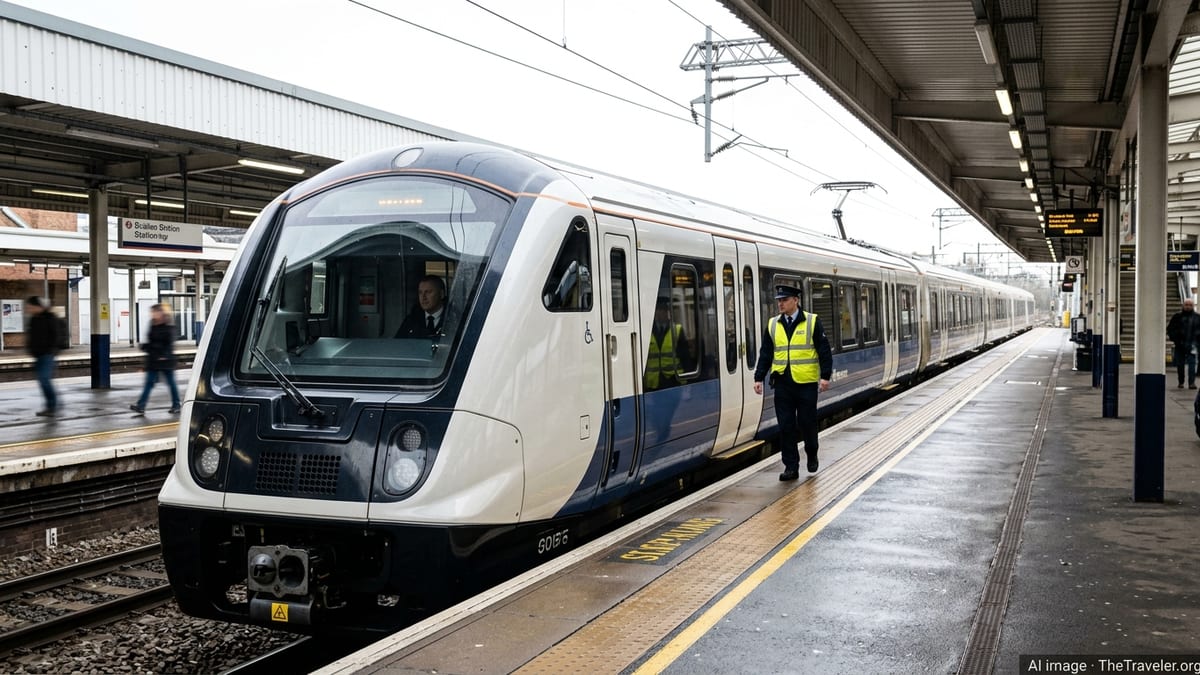
Signalling fault at Exeter St Davids delays multiple operators
Services through Exeter St Davids were disrupted on Saturday 5 September after a signalling system fault left some lines blocked, affecting Great Western Railway as well as CrossCountry and South Western Railway. According to published disruption summaries, trains serving the hub station faced cancellations, alterations and delays of up to 30 minutes while technicians worked to restore full signalling capacity.
Public information from the National Rail Enquiries service indicates that the fault began mid-morning and was expected to affect services until around midday. Routes impacted included Great Western Railway services between Penzance and Exeter St Davids and on to London Paddington, as well as local trains between Paignton, Exmouth, Barnstaple, Okehampton and Cardiff Central.
Customer advice available online states that passengers whose trains were cancelled could use tickets on up to two earlier or two later services at no extra cost, even where those alternatives would usually be classed as peak or less flexible options. Journey planners were updated through the morning as operators adjusted timetables in response to the disruption.
While the incident was time-limited, Exeter St Davids is a key junction for the Great Western network, meaning even a short-lived signalling fault can create knock-on delays as trains and crews are displaced from their diagrams. Travellers connecting between long-distance and local West Country services were advised to allow extra time and to check onward connections carefully.
Temporary timetable cuts in Devon and Cornwall
Separate from the signalling issues, Great Western Railway is implementing a temporary timetable in Devon and Cornwall from Monday 7 September to Saturday 12 December 2026. Company travel-update pages state that a small number of weekday and Saturday services between Penzance, Plymouth and Exeter St Davids will not run during this period, with some remaining trains retimed or given additional station calls.
Weekday withdrawals include several key commuter and inter-urban services, such as the 07:43 Penzance to Exeter St Davids and the 11:27 return working back to Penzance, along with afternoon links between Penzance and Plymouth. To offset the impact, other trains on the route are being adjusted; for example, the 08:15 Penzance to London Paddington is scheduled to depart three minutes earlier and to call at extra intermediate stations including Hayle, Lostwithiel and Ivybridge.
Travel advice published by Great Western Railway attributes the changes to reliability issues affecting part of the train fleet, which have reduced the number of sets available for daily service. By planning cancellations in advance and reshaping the timetable, the operator aims to provide a more dependable service for the majority of journeys instead of making frequent short-notice alterations.
Holidaymakers and regular commuters on the Cornish main line are being urged to check journey details close to the date of travel, as the revised pattern means familiar train times may no longer apply. Journey planners and downloadable timetable PDFs for the region have been updated to reflect the temporary service pattern during the autumn period.
Earlier disruption on branch and regional routes
The latest incidents follow a series of shorter disruptions on parts of the Great Western network in the first week of September. On Wednesday 2 September, services between Twyford and Henley-on-Thames were briefly suspended after what public reports described as a higher-than-usual number of trains requiring repairs at the same time. Information posted later that day confirmed that services had resumed once enough trains were available to operate the shuttle.
On the same date, passengers on the North Downs corridor between Reading and Gatwick Airport experienced disruption after a fault at a level crossing between Guildford and Gatwick. According to the National Rail summary, trains were eventually able to run as scheduled again in the early hours of the following morning once the barrier issue was resolved.
These short-lived problems highlight how localised faults can quickly ripple across a regional network that mixes long-distance, commuter and airport services. Even when incidents are cleared within a few hours, some trains and crews may remain out of position, increasing the risk of residual delays and short-notice changes later in the day.
Passengers using branch lines and cross-country links that connect into the main Great Western routes are therefore encouraged to keep an eye on live departure boards and operator updates, particularly when making tight connections to onward long-distance trains.
Planned engineering work adds to timetable changes
Alongside operational incidents and rolling stock issues, Great Western Railway passengers also face significant planned engineering work during September and into the autumn. The operator’s engineering calendar lists a succession of weekend and late-evening projects affecting routes into London Paddington, the Thames Valley and South Wales.
Work around Slough on selected September weekends is scheduled to reduce capacity between London Paddington and Reading, with only two of the four main lines available on some dates. As part of the same project, trains between Slough and Windsor & Eton Central are due to be replaced by road transport, with alternative ticket acceptance arrangements advertised via Windsor & Eton Riverside and South Western Railway for certain days.
Elsewhere, track renewals in the Chippenham and Cardiff areas later in the month are expected to close or limit sections of the main line, with replacement buses running between key stations such as Chippenham, Bath Spa, Swindon, Melksham, Trowbridge, Westbury, Cardiff Central and Bridgend. Online engineering summaries note that Great Western Railway services between London and Swansea or Carmarthen may be diverted, typically adding around half an hour to journey times for long-distance travellers.
On some dates, work south of Bristol Temple Meads will also see local services replaced by buses between Bristol and Weston-super-Mare, with a mix of limited-stop and all-stations road links. Timetables for these replacement services are being published in advance, and passengers are advised to factor in longer journey times and potential reduced capacity compared with normal train operations.
Advice for travellers during ongoing disruption
With a combination of signalling faults, temporary timetable cuts and planned engineering work affecting different parts of the Great Western network, publicly available travel advice consistently emphasises the importance of checking journeys on the day of travel. Online journey planners and operator-specific websites are being updated as incidents occur and as longer-term timetable changes take effect.
Passengers holding advance or off-peak tickets on affected services are generally being offered flexibility to travel on alternative trains where cancellations or significant delays occur. Published guidance also reminds travellers that they may be eligible for compensation if they arrive at their destination later than scheduled, with claims typically requiring proof of the ticket used and details of the disrupted journey.
Given the concentration of improvement work and operational challenges on key West Country and Thames Valley corridors, travellers heading to or from destinations such as London Paddington, Exeter, Penzance, Cardiff and Bristol in September are likely to benefit from allowing additional time, especially when making connections or catching flights. For many, consulting real-time information shortly before departure will be the most reliable way to navigate the evolving pattern of disruption.
National Rail Enquiries: Exeter St Davids disruption
Great Western Railway: Temporary timetable changes in Devon and Cornwall
Great Western Railway: Planned engineering work and timetable changes
National Rail Enquiries: Guildford to Gatwick Airport disruption