


São Paulo/Guarulhos International Airport (GRU) is South America’s busiest international hub and an unavoidable stop on many long-haul itineraries. For travelers facing overnight connections, red-eye arrivals, or long daytime layovers, choosing the right airport hotel can make the difference between a punishing wait and a genuinely restorative break. This guide focuses on the real, concrete options for sleeping inside the airport and at hotels just outside the terminals, with current information on how they work in practice, typical prices, and which travelers each option suits best.
Get the latest updates straight to your inbox!
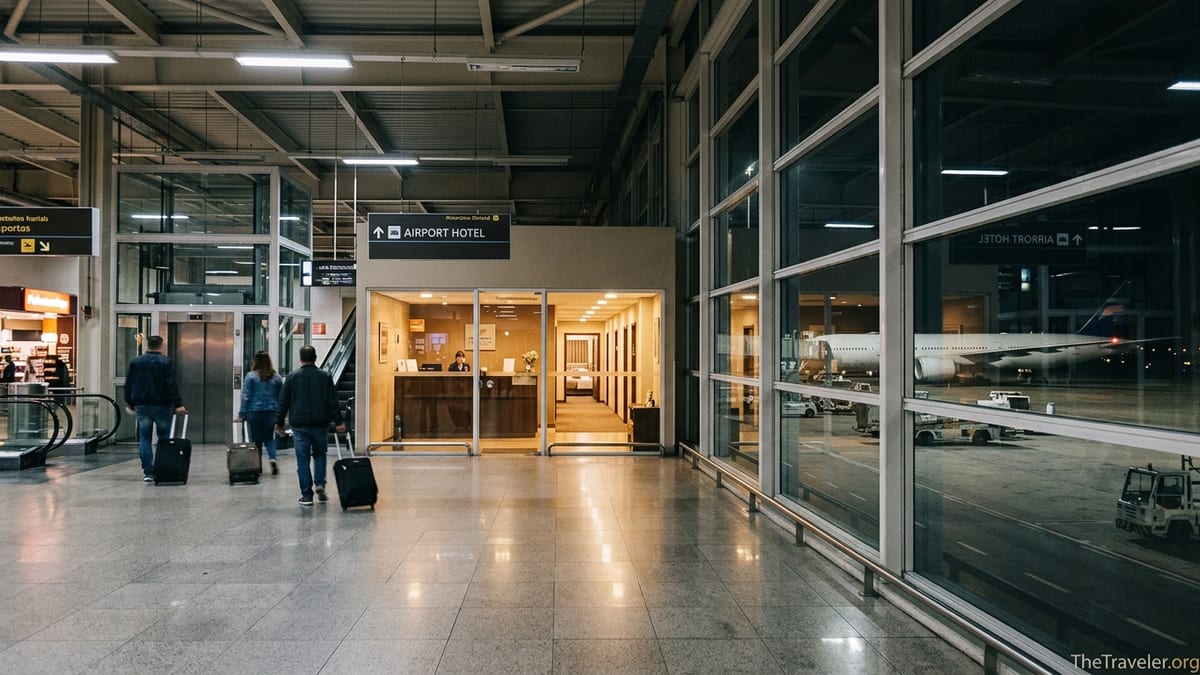
Understanding the Layout of Guarulhos and Where the Hotels Fit In
Guarulhos Airport has three main terminals used for passenger flights today. Terminals 2 and 3 handle the bulk of domestic and international traffic, while Terminal 1 is used by some regional and low-cost carriers. When you are choosing a hotel, it matters whether you need to remain airside in transit, whether you will clear immigration and customs, and which terminal your airline uses. Most international long-haul services use Terminal 3, while many domestic and some South American flights operate from Terminal 2.
For true in-airport stays, GRU offers two types of facilities: transit-style hotels physically inside the secure area and landside capsule-style rooms that are technically in the terminal building but require you to exit through customs and security. Beyond that, several full-service hotels stand just outside the complex with frequent shuttle buses that run to Terminals 2 and 3, often in under ten minutes. In practice, many overnight and long-layover passengers find that a short shuttle ride to a conventional hotel provides more comfort, better food, and a calmer atmosphere than remaining inside the terminal.
Access rules are crucial. If you are connecting internationally without entering Brazil, you will usually remain airside. In that case, a transit hotel in the international departure area of Terminal 3 can save you from spending the night on seats in the gate area. If your itinerary requires immigration formalities or baggage reclaim, however, you will need a hotel either landside in the terminal or in the airport hotel zone served by shuttles and taxis.
Airside Transit Hotel: TRYP by Wyndham São Paulo Guarulhos Airport
TRYP by Wyndham São Paulo Guarulhos Airport is the headline option for passengers who want to remain inside the secure area. Located in the international departure area of Terminal 3, on Level 1 of the transit zone, it is marketed as a transit hotel specifically for travelers already checked in for an international flight or connecting between international services. Because it sits within the restricted area past immigration and security, access normally requires a same-day or next-flight boarding pass for an international departure or documented international transit.
In practical terms, this hotel works best for long-haul passengers who land in Terminal 3 from one international flight and depart again from the same terminal. Think of someone arriving from Europe in the evening and flying on to another continent the next afternoon. Instead of queuing for Brazilian immigration, they can remain airside, walk to the hotel, and sleep in a proper room with a private bathroom. Room types range from compact doubles for solo travelers to larger rooms that can accommodate couples or a parent with a child. Rates vary by season but are generally more expensive than equivalent city hotels, reflecting the convenience of staying inside the terminal.
Because space is limited, advance booking is strongly recommended on busy dates such as Brazilian holidays and major events. Travelers report that late-evening arrivals can sometimes find the hotel fully booked or selling only premium categories. For a long daytime layover of eight to ten hours, the extra cost often pays for itself in rest and privacy, especially compared with spending all day in a business lounge where stays are capped at a few hours and there may be waiting lists at peak times.
One practical detail: if your itinerary forces you to clear immigration, collect bags, or re-check on a separate ticket, you generally cannot go back into the international departures area many hours before your next flight. In that situation, TRYP will not be accessible until your airline opens check-in and security again, so it is usually better to look at landside options or nearby hotels.
Landside Inside-Terminal Rest Options: Fast Sleep by Slaviero
For travelers who need to be landside but still want to remain physically inside the airport complex, Fast Sleep by Slaviero operates capsule-style hotels in Terminal 2. One location is at the ground floor of the East arrivals area, and the operator also mentions a second unit in the West domestic arrivals area. These facilities offer small private cabins, typically with bunk or single beds and shared bathrooms, plus some suites with private bathrooms in the more recent units.
Fast Sleep is designed around flexible stays. Instead of ordinary nightly rates, you can reserve blocks of hours, for example three, six, or eight hours, making it ideal if you land at 3 a.m. and have a 9 a.m. domestic connection. Prices change over time but traveler reports suggest that short stays can feel expensive on a per-hour basis, especially during busy periods when demand is high. On the other hand, the ability to lie flat in a quiet, dark cabin and take a shower without leaving the terminal can be worth the premium, particularly for families with children or older travelers who find airport seating tiring.
To book by the hour, the operator encourages direct reservation via phone, messaging apps, or email, while conventional full-night bookings are often available through major hotel platforms. Walk-up reservations are sometimes possible in quieter periods, but during holidays and school vacations these small units can sell out. It is also important to manage expectations: cabins are compact, more like upgraded sleeping pods than full hotel rooms, and there are limited food and drink options in the immediate vicinity during late-night hours. Travelers who want a proper restaurant, gym, or outdoor space should consider one of the full-service hotels just outside the airport instead.
For quick showers between flights without needing a bed, Fast Sleep also sells shower-only access. This is a popular solution for passengers arriving from shorter domestic flights who want to freshen up before boarding a long international leg. In practice, an eight-hour connection where you shower, sleep for a few hours, and then head back to check-in is one of the most efficient ways to use this service.
Full-Service Hotels Near GRU with Free Shuttles
When you are facing a proper overnight or a layover that stretches beyond eight or nine hours, stepping out of the airport to a conventional hotel often delivers better value and comfort. The closest cluster of hotels sits around the main airport access roads and near the airport-adjacent rail station, typically ten to fifteen minutes’ drive from the terminals in normal traffic. Most of these properties run free shuttles to Terminals 2 and 3 during the day and evening, with slightly reduced frequencies overnight.
Among the most established names is the Pullman São Paulo Guarulhos Airport, a full-service upscale hotel with extensive facilities that include a spa, pool, and fitness center. Guests commonly use it for long layovers when they want to recover properly from overnight flights. The Pullman runs a complimentary shuttle to the airport, and in practice the ride usually takes only a few minutes, subject to traffic at the terminal curb. Many airlines place their crews there for rest stops, which says something about the hotel’s comfort level and reliability.
Another widely used option is the Hampton by Hilton Guarulhos Airport, formerly the Matiz Guarulhos. This mid-range hotel offers standard rooms, breakfast, and a free airport shuttle, with a focus on convenience rather than resort-style facilities. It tends to appeal to cost-conscious international travelers and business passengers who value predictable service and early breakfast times aligned with morning departures. In typical conditions, a late-evening arrival in Terminal 3 can see you checked in at the Hampton within 30 to 40 minutes of landing, including immigration and shuttle time.
In the same zone, travelers will also find other branded hotels under familiar international and Brazilian names, from four-star properties focused on conferences and airline crews to simpler sleep-and-go options. Many of these advertise shuttle services that either run on a fixed timetable or on demand. While these hotels are not technically inside the airport, for most practical purposes you remain within the airport environment, with easy access back to check-in the next morning and none of the heavy cross-city traffic you would face if you tried to overnight in central São Paulo between flights.
Which Option Fits Your Layover: Real-World Scenarios
Choosing between an airside transit hotel, a landside capsule, and a shuttle hotel outside depends on your exact itinerary. Consider a traveler landing from Europe at 5 a.m. in Terminal 3 with a domestic connection at noon from Terminal 2 on the same ticket. If they clear immigration and collect checked bags, they will be landside for several hours. Because they cannot access the international transit hotel, a realistic choice is Fast Sleep in Terminal 2 for a short rest, or a brief shuttle to a nearby hotel like the Hampton by Hilton where they can enjoy a full breakfast and perhaps a later checkout.
By contrast, imagine someone flying from North America to São Paulo, arriving late evening, then connecting to another long-haul redeye out of Terminal 3 around midday the next day. If both flights are international and on a through ticket, remaining airside and using TRYP by Wyndham can save the time and bureaucracy of entering Brazil. They walk from the gate to the hotel, sleep through the night, and then are only a few minutes from their departure gate the next morning, with no queues at immigration or check-in.
For a traveler with an eleven-hour daytime layover whose priority is comfort and a sense of normality, a full-service hotel outside the airport usually provides the best experience. They might check into the Pullman mid-morning, have a shower and a proper lunch, nap in a dark, quiet room, spend some time by the pool or in the gym, then take the mid-afternoon shuttle back to Terminal 3. Even accounting for shuttle time, the net rest and privacy are greater than trying to piece together sleep in a lounge or public seating.
Finally, there are very short overnight connections, such as landing just before midnight and departing at six in the morning on a domestic flight. In this scenario, the time cost of a shuttle can still be worth it if you value a full bed, blackout curtains, and breakfast at 4 or 5 a.m. A mid-range shuttle hotel will often cost less than several hourly blocks at a capsule hotel inside the terminal, especially for couples, while delivering more space and better soundproofing.
Costs, Comfort Levels, and Booking Tips
When comparing options, think in terms of both headline rates and what you actually receive for the money. Airside and in-terminal options trade space and amenities for unbeatable proximity. Transit hotels like TRYP by Wyndham typically price above mid-range city hotels, reflecting their monopoly inside the secure area. Capsule-style accommodations such as Fast Sleep may look affordable at first but can become expensive when you add enough hours for a full night’s rest. On the other hand, they save you the expense of taxis and the uncertainty of late-night transport.
Full-service hotels just outside the airport often deliver the best ratio of comfort to cost, particularly when you are not traveling alone. A couple or family booking one room at the Pullman or Hampton may end up paying less per person than two separate bays in a capsule hotel. Breakfast is usually included or moderately priced, and because you are outside the terminal you have a more relaxed environment, with better beds, soundproofing, and climate control. Over a long journey, those details matter as much as square footage.
Booking strategy also plays a role. For airside hotels with limited inventory, pre-booking is strongly advised on peak travel dates, including December and January holidays and major international events in Brazil. If your airline occasionally experiences long delays or missed connections at GRU, check whether they partner with a specific airport hotel for disrupted passengers, as this can affect availability. For shuttle hotels, it pays to verify shuttle schedules that match your arrival and departure times and to note where exactly the shuttle stops at Terminals 2 or 3.
Flexibility is useful. If you have a long layover scheduled and weather disruptions are likely, consider a reservation with free cancellation up to the arrival day. That way, if your flight is re-timed and the layover shrinks, you can cancel the hotel without penalty. Conversely, if you intend to simply “see how tired you feel” on arrival, be aware that walk-in rates inside the airport are rarely discounted and that the most convenient options can fill up without notice.
Getting Between Terminals, Hotels, and the City
Navigating between GRU’s terminals and nearby hotels is straightforward once you know the basic patterns. Terminals 2 and 3 are linked landside by pedestrian routes and internal shuttle services, while Terminal 1 is connected via airport buses. Official signage in the arrivals areas points toward hotel shuttle stops, where branded buses for properties such as Pullman, Hampton by Hilton, and others pick up guests according to their schedules. These shuttles typically drop returning guests near the departures levels for Terminals 2 and 3, which can save a surprising amount of walking with luggage.
For travelers arriving late at night or with very heavy bags, taxis and app-based ride services operate from signed zones outside each terminal. While the shuttle is usually the most economical choice for a solo traveler, a rideshare becomes attractive if you are two or three people sharing the fare, especially on a tight schedule or with young children. The drive to most airport hotels takes only a few minutes in light traffic, but delays can occur at peak arrival banks in the evening when many international flights land together.
If you are thinking of heading into central São Paulo during a long layover, evaluate the timing carefully. Although rail links and executive bus services connect the airport with downtown and business districts, road traffic at rush hour can be heavy. For an overnight stay of only eight to ten hours, most connecting passengers find it more sensible to remain in the airport hotel zone. The additional time and stress of commuting into the city rarely pays off unless your layover stretches well beyond twelve daylight hours and you have the energy to sightsee.
When planning your connection, build in cushions for re-clearing security and, if relevant, immigration. Returning from an off-airport hotel to an international departure in Terminal 3, aim to be back at the terminal at least two to three hours before departure time, longer if you are traveling during Brazilian holiday seasons. For domestic flights from Terminal 2, one and a half to two hours is typically enough, but airlines may recommend more during peak periods.
The Takeaway
Guarulhos International Airport offers a spectrum of sleep options that cater to different types of layovers. Inside the secure area, a dedicated transit hotel in Terminal 3 gives long-haul international passengers a way to rest without entering Brazil, provided their tickets and timing allow continuous airside access. Landside, capsule-style facilities in Terminal 2 provide flexible short-stay rooms and showers for those who want to remain physically inside the terminal but do not need the full services of a conventional hotel.
Just beyond the airport perimeter, a cluster of full-service and mid-range hotels with free shuttles offers more space, calmer surroundings, and often better value, especially for couples, families, and anyone facing a full overnight. Properties like the Pullman São Paulo Guarulhos Airport and Hampton by Hilton Guarulhos Airport are designed to handle odd arrival times, early breakfasts, and quick returns to the terminal, which makes them especially attractive to transit passengers.
In practice, the best choice for your layover depends on whether you remain airside, how long you have between flights, your budget, and how much comfort you need to arrive at your final destination in good shape. By understanding where each option is located, how access works, and what kind of experience you can realistically expect, you can turn a long or awkward layover at GRU into a manageable and even restorative pause in your journey.
FAQ
Q1. Is there a hotel inside the secure area of Guarulhos Airport for international transit passengers?
Yes. There is a transit hotel located in the international departures area of Terminal 3 that is intended for passengers remaining airside between international flights, allowing them to sleep without clearing Brazilian immigration.
Q2. Can I stay at the airside transit hotel if my flights are on separate tickets?
It depends on whether you can remain airside with your luggage and obtain a boarding pass for your onward flight. If your onward airline requires you to clear immigration, collect bags, and check in at the landside counters, you normally will not be able to access the airside hotel until check-in and security open for your next flight.
Q3. Where are the Fast Sleep by Slaviero units located inside Guarulhos Airport?
Fast Sleep operates landside capsule-style hotels in Terminal 2, including one at the ground level of the East arrivals area and another unit in the West domestic arrivals area. Both are inside the terminal but located before security.
Q4. How do hourly rates at Fast Sleep compare with a regular hotel night near GRU?
Hourly rates at Fast Sleep can be relatively high when multiplied over a full night, especially for solo travelers. However, they become competitive for short three to six hour rests or quick showers between flights, and they save the time and cost of using shuttles or taxis to outside hotels.
Q5. Which nearby hotels are most popular for long overnight layovers at Guarulhos?
Among the most commonly used options are the Pullman São Paulo Guarulhos Airport, which offers upscale facilities and a spa, and the Hampton by Hilton Guarulhos Airport, a mid-range hotel with free shuttle and breakfast. Both cater heavily to transit passengers and airline crews.
Q6. Do the airport hotels offer free shuttle service to the terminals?
Most full-service and branded hotels in the airport zone operate complimentary shuttles to Terminals 2 and 3 on regular schedules, with slightly reduced frequencies overnight. It is wise to check the current timetable and pickup location with your hotel before you arrive.
Q7. Is it realistic to go into central São Paulo during a long layover at GRU?
It can be, but only if your layover is long enough and avoids peak traffic. For overnight or sub-12-hour layovers, most travelers find it more practical to stay in the airport hotel zone, as the time spent commuting into and out of the city can quickly eat into rest and recovery.
Q8. How early should I leave my hotel to catch an international flight from Terminal 3?
As a general rule, aim to be back at the terminal two to three hours before departure, and a bit earlier during busy Brazilian holiday periods. This allows time for shuttle transfers, check-in, immigration, and security without unnecessary stress.
Q9. Are airport lounges at GRU a good alternative to booking a hotel?
Lounges can be useful for short waits, but many limit stays to around three hours and may have waiting lists at busy times. For overnight connections or layovers longer than six to eight hours, a hotel or rest pod usually provides far better rest and privacy than a lounge chair or sofa.
Q10. Do I need to book Guarulhos airport hotels in advance, or can I just walk in?
Walk-in stays are sometimes possible, especially at off-peak times, but both airside hotels and nearby shuttle hotels can sell out during holidays and major events. If you know you have a long or overnight layover at GRU, advance booking significantly improves your chances of getting the room type and price you want.