


More news on this day
Hundreds of flights at Heathrow, Gatwick and other major UK airports were cancelled or heavily delayed on 8 September after a technical problem at the country’s air traffic control provider led to widespread disruption across the network.
Get the latest news straight to your inbox!
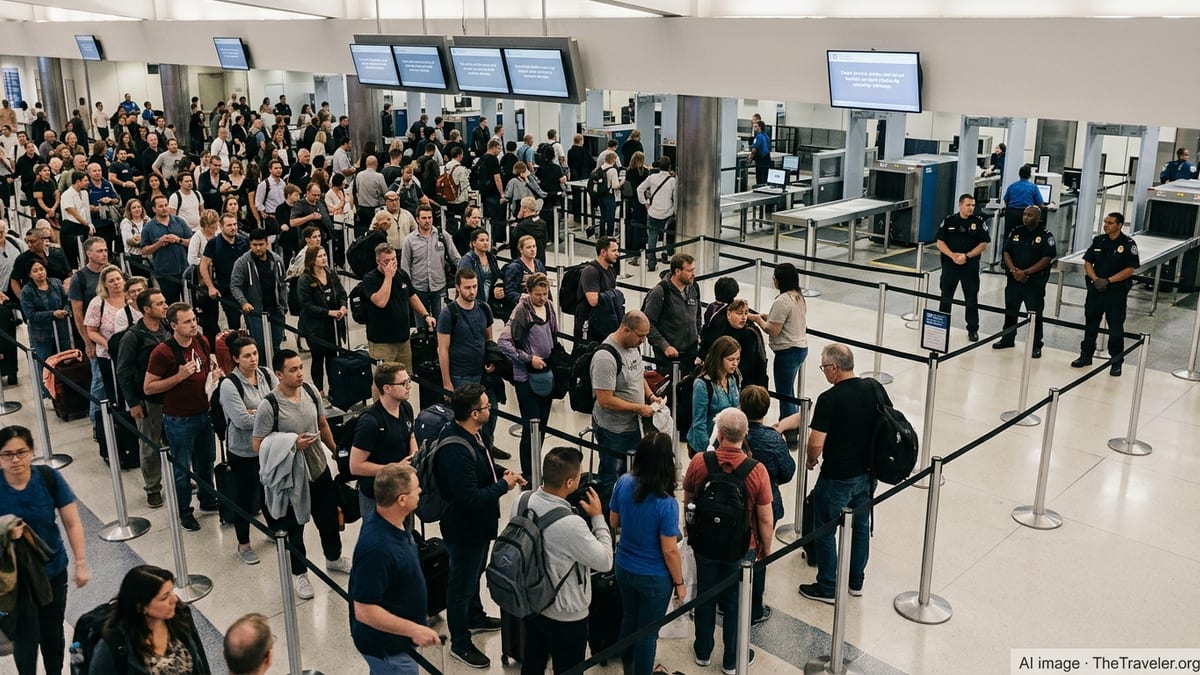
Air traffic control fault triggers nationwide disruption
Publicly available information indicates that a glitch at UK air navigation service provider NATS affected the handling of departures and arrivals across the south of England and beyond on Tuesday, 8 September. The issue led to strict flow restrictions in the London flight information region, which covers the country’s busiest airspace.
According to live reports from flight-tracking services such as Flightradar24, arrivals and departures at Heathrow and Gatwick were heavily regulated as controllers reduced the number of aircraft allowed to operate, creating long queues both in the air and on the ground. Some inbound flights were held at their origin airports, while others diverted to alternative UK hubs when space became available.
Several outlets describe departures from Heathrow and Gatwick being temporarily halted while the fault was investigated, before limited movements resumed under tighter spacing rules. Even after the initial problem was addressed, the reduced capacity created a knock-on effect that continued into the evening peak.
Media coverage notes that the disruption was not confined to London. Manchester, Stansted, Birmingham, Edinburgh and other airports also reported significant delays and cancellations as the traffic control constraints rippled through the wider network of domestic and international routes.
Heathrow sees highest number of cancellations
Heathrow, the UK’s busiest airport, appears to have borne the brunt of the disruption. Data cited in multiple reports suggests that more than 600 flights across the UK were cancelled during the day, with Heathrow accounting for a large share of those cancellations and delays.
Figures from monitoring platforms published on Tuesday indicate that around 100 departures at Heathrow were cancelled, while more than 350 additional flights experienced significant delays. Separate tallies referenced in Spanish and UK media describe Heathrow as the worst affected airport in terms of overall flight numbers and passenger impact.
Despite the scale of the disruption, Heathrow’s live updates showed that some long-haul services were able to operate, with priority apparently given to certain inbound intercontinental flights. Short-haul services to European destinations and domestic routes saw the highest rate of cancellations as airlines attempted to rebalance schedules and free up capacity.
Observers on flight-tracking forums also reported an unusually quiet sky over west London at points during the afternoon, with commercial aircraft either holding at altitude well outside the capital or diverting to other airports while ground movements at Heathrow remained constrained.
Gatwick and other hubs grappling with long delays
Gatwick, the UK’s second-busiest airport, also experienced severe disruption, with live boards and tracking data showing hundreds of delayed flights and dozens of cancellations. Some accounts suggest that more than 30 percent of the airport’s operations were affected at various points during the day.
Coverage in London-based media describes long lines forming at Gatwick’s terminals as passengers waited for updates on services to European holiday destinations and major cities. Screenshots from tracking platforms circulating online showed large clusters of aircraft on the ground at both Gatwick and Heathrow while departure flows were limited.
Beyond the London area, airports including Manchester, Birmingham, East Midlands and Edinburgh reported problems as the air traffic control issue restricted departures and forced diversions. Passengers at regional hubs shared reports of planes waiting on taxiways for extended periods as crews sought departure slots into the constrained London airspace.
While some airports were able to keep a trickle of flights moving, the reduced throughput and diversions placed pressure on stands, gates and staffing, contributing to extended turnaround times and further timetable disruption late into the day.
Technical fault resolved but knock-on delays continue
By late afternoon, NATS stated publicly that a fix had been implemented for the underlying technical problem and that systems were returning to normal operation. However, aviation industry reporting and airport updates stressed that it would take hours for schedules to stabilise due to aircraft and crew being out of position across Europe.
Analysts noted that even a relatively brief outage in a high-density control region such as London can trigger a cascade of delays. Aircraft that divert to other airports must later reposition, while flight and cabin crews can time out under duty regulations, forcing additional cancellations even after the technical issue has been resolved.
Historical data on previous UK air traffic control glitches suggests that the recovery period can extend into the following day, particularly at slot-constrained hubs like Heathrow and Gatwick where spare capacity is limited. Travellers booked on early services on Wednesday may therefore face residual disruption as airlines reset their networks.
Airports and airlines across the affected network advised passengers to monitor flight status online and via apps rather than travelling to the airport without confirmation. Some carriers began proactively rebooking customers or offering flexible change options as the scale of the disruption became clear.
What travelers should know if flying via the UK
For passengers with upcoming itineraries through Heathrow, Gatwick or other UK airports, the priority is to verify the status of each flight segment directly with the airline before leaving for the airport. Published coverage indicates that some inbound long-haul services may operate while connecting short-haul legs are cancelled or retimed, making real-time checks essential.
Travel experts generally recommend allowing additional time for check in, security and border processing during and after major air traffic control events, as terminals can remain congested long after flight movements begin to recover. Where possible, carrying essential items in hand luggage and ensuring that any critical connections, such as cruise departures or rail links, have adequate buffers can reduce stress if delays continue.
Passengers whose flights are cancelled or severely delayed may have rights to care and assistance or refunds under airline policies and regional regulations, depending on the origin and circumstances of the disruption. Consumer advice organisations often publish up-to-date guidance during major events of this kind, and several such resources were being shared widely on social media as Tuesday’s disruption unfolded.
With Tuesday’s technical fault joining a series of recent weather and infrastructure-related challenges for UK aviation, industry observers are likely to focus on system resilience and contingency planning in the months ahead. For now, travellers with imminent plans through the UK are being urged to stay informed, stay flexible and prepare for the possibility of altered or extended journeys.
London Evening Standard live coverage of Heathrow and Gatwick disruption
BBC News live page on UK air traffic control flight delays
The Guardian report on UK air traffic control issue and flight disruption