


More news on this day
Rail links between central London and Heathrow Airport have resumed after a trackside fire near the Great Western Main Line triggered the suspension of Heathrow Express and Elizabeth line services and widespread disruption for air travelers across the capital.
Get the latest news straight to your inbox!
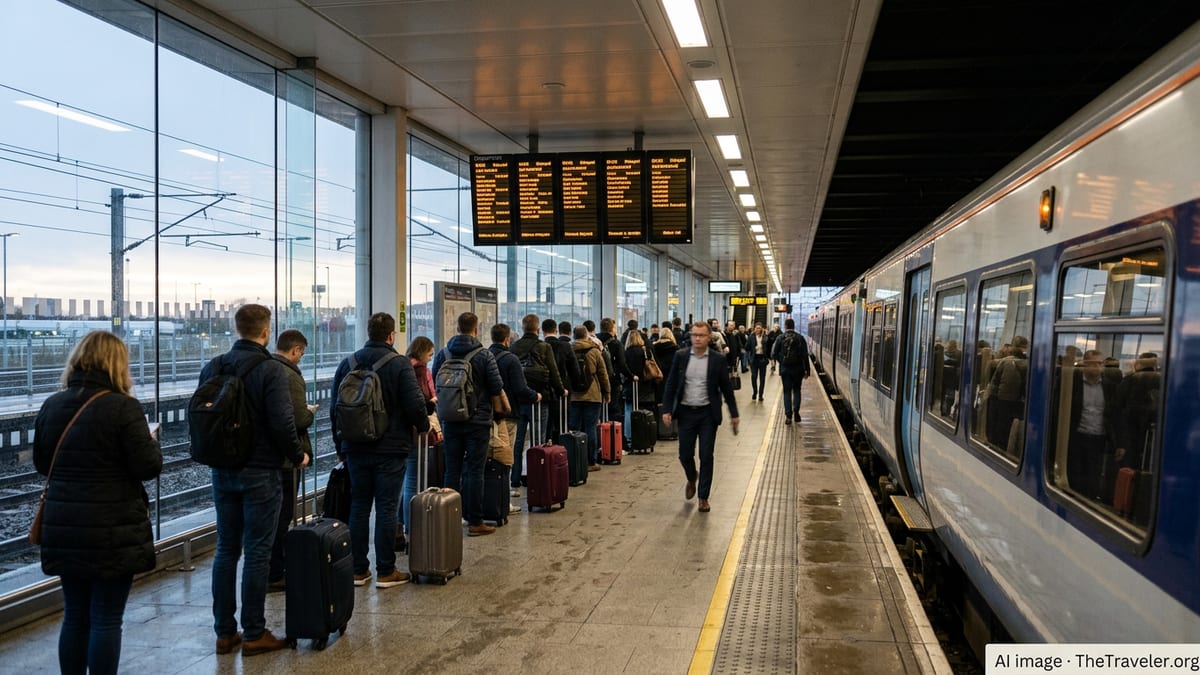
Services restart after overnight suspension
According to National Rail and Transport for London network updates, trains are once again running between London Paddington, Heathrow Airport and Reading following the resolution of a trackside incident that halted services for several hours. A fire alert in the Paddington and Ealing corridor led to an interruption of power and safety checks along sections of the route, temporarily closing all lines linking the airport with central London.
Publicly available disruption summaries indicate that Heathrow Express services and Transport for London’s Elizabeth line trains were suspended between Paddington and Heathrow Terminals, with some services turning back at Ealing Broadway and others terminating short of the airport. Replacement road transport and ticket acceptance on alternative rail and Underground routes were put in place while engineers and safety teams worked at the scene.
National Rail’s incident pages for the Southall and Heathrow Airport areas show that normal service has since been restored, with residual delays gradually easing as trains and crews return to their scheduled positions. Passengers are being advised to check live journey planners as timetables stabilize following the restart of operations.
Heathrow Airport’s own transport information confirms that direct rail connections to all terminals are again available, with both non stop Heathrow Express services and stopping Elizabeth line trains shown as operating, although some minor knock on delays may persist during the immediate recovery period.
How the trackside fire affected London’s westbound rail corridors
Disruption reports from National Rail describe a failure of the electricity supply and damage near the tracks in the Paddington Southall corridor, an area that carries Great Western Railway long distance services, commuter trains, the Elizabeth line and Heathrow Express. Previous incident notices for Southall and Ealing Broadway highlight how issues with overhead lines and trackside equipment in this section can quickly cascade into widespread delays across the western approaches to London.
During the latest incident, train movements between Paddington and Heathrow were halted while staff assessed the extent of the fire related damage and conducted safety inspections along the affected stretch. This resulted in blocked lines and the suspension of through services to Heathrow terminals and to Reading, with rail operators advising passengers to delay travel where possible.
Published information indicates that once the fire was contained and infrastructure checks completed, Network Rail reopened the route in stages. Earlier incidents in the same corridor, referenced in prior National Rail updates, suggest that even after lines physically reopen, residual disruption can continue for several hours while delayed trains clear and rolling stock is repositioned.
The incident also coincided with planned engineering works in the broader Paddington to Slough and Southall area, highlighted in advance engineering notices. These works had already led to amended timetables for Elizabeth line and Great Western Railway services, compounding the complexity of managing services once the fire alert arose.
Impact on Heathrow passengers and alternative routes
The suspension of Heathrow Express and Elizabeth line services significantly affected travelers heading to and from one of Europe’s busiest aviation hubs. Heathrow’s official transport pages underline that these two rail links are among the fastest options into central London, with non stop trains typically running every 15 minutes and Elizabeth line services providing frequent stopping connections.
With the main rail corridor closed, passengers were directed toward alternative routes. Transport for London’s status pages show that Piccadilly line services to Heathrow experienced severe delays while handling higher demand, and that London Underground tickets were temporarily accepted on selected National Rail routes and bus services. National Rail’s disruption guidance also highlighted available local buses connecting Heathrow terminals with stations such as Southall during the outage.
For many travelers, the combination of suspended airport trains and busy roads around west London translated into extended journey times, missed connections and the need to rebook onward domestic and international services. Travel advice during the disruption urged passengers to allow significantly more time to reach terminals, check with airlines before departure and use journey planners to navigate a changing mix of rail, Underground and bus options.
Once services began to resume, operators emphasized that normal journey times could gradually be restored. However, rail industry experience documented in previous incident reports suggests that passengers traveling immediately after major disruptions should still plan for possible queues and late running trains as operations normalize.
Ongoing works and resilience on the Heathrow rail corridor
The latest disruption has again focused attention on the resilience of the rail corridor linking London Paddington to Heathrow and the Thames Valley. Parliamentary and official documentation on rail infrastructure upgrades highlight major ongoing works at Old Oak Common and along the Great Western Main Line, including preparations for expanded Elizabeth line and Heathrow Express operations in the coming years.
National Rail’s forward engineering notices show that further planned works are scheduled between Southall, Hayes and Harlington, Slough and Maidenhead later in September, affecting Elizabeth line services to Heathrow Terminals 4 and 5 and to Reading. These works are intended to support long term reliability, capacity and power supply improvements, but they also mean that passengers will continue to see periods of amended timetables and diversions.
Recent written statements to Parliament on national rail projects reference the importance of robust power supplies, modern signaling and upgraded overhead line equipment across busy interchanges such as the western approaches to London. Earlier case studies of infrastructure incidents, including previous fires affecting overhead line equipment on the wider network, underline how even localized damage can have network wide consequences for services into key hubs like Heathrow.
Rail industry observers note that each incident typically prompts further reviews of inspection regimes, vegetation management, power resilience and emergency response procedures around trackside assets. While the specific cause of the latest fire will be subject to formal assessment, published material suggests that lessons from such events are incorporated into subsequent engineering work and operational planning.
Advice for travelers in the coming days
With services now running again, travelers heading to and from Heathrow over the next few days are being encouraged, via journey planners and operator websites, to check live status updates before setting out. National Rail and Transport for London tools provide near real time information on train running, platform changes and any short notice alterations linked to residual disruption or ongoing engineering works.
Passengers connecting with long haul flights in particular may wish to allow additional contingency time while the service pattern fully settles. This is especially relevant overnight and early in the morning, when some trains may continue to start or terminate short of their usual destinations as operators reposition stock and crews following the incident.
Those seeking alternative routes can use Heathrow’s official transport pages to compare options across Heathrow Express, the Elizabeth line, the Piccadilly line and local bus connections. For travelers staying in west London or the Thames Valley, National Rail’s route planners highlight slower but viable alternatives via interchange stations away from the main Paddington corridor during any further short term disruption.
As rail operators continue to embed lessons from recent events and deliver planned infrastructure upgrades, the expectation set out in public documentation is that the core Paddington Heathrow corridor will gain additional resilience. In the meantime, the combination of restored services, live travel tools and published advice aims to help passengers navigate the immediate aftermath of the trackside fire and regain confidence in the airport’s rail links.
National Rail service disruption: Southall and Heathrow corridor
Transport for London network status for Elizabeth line and Piccadilly line
Heathrow Airport: getting to central London by train and Tube
National Rail engineering works: Southall, Slough and Heathrow routes