


More news on this day
Two established cruise brands are reshaping expectations for Europe sailings, with Holland America Line and Celestyal both moving to offer more year round Mediterranean and Northern Europe options aimed at off season travelers.
Get the latest news straight to your inbox!
Holland America commits a ship to Europe year round
Holland America Line is expanding its European program by keeping the 2,666 guest Nieuw Statendam in the region throughout the winter as part of its 2027 to 2028 deployment. Publicly available information indicates that the move will create a continuous calendar of cruises that no longer ends with the traditional late autumn repositioning to the Caribbean.
The new schedule increases the line’s presence in both the Mediterranean and Northern Europe outside the peak summer period. Reports indicate that Holland America is adding a series of winter voyages that include Christmas market focused itineraries, Northern Lights and Lapland themed sailings, and extended Mediterranean routes that call at major cultural cities and smaller coastal ports.
Industry coverage notes that the expanded deployment will add dozens of extra port days in Europe over the winter months. Longer stays and additional overnights in select ports are being highlighted as a way to appeal to guests who prefer fewer crowds, cooler temperatures and more time ashore for museums, dining and local events.
The decision aligns with broader trends in European tourism, where destinations are seeking to spread visitor numbers more evenly across the year. By basing a large ship in the region through winter, Holland America is positioning itself to capture travelers who may have previously considered Europe only for summer or early autumn cruises.
Celestyal pivots to a longer Mediterranean winter
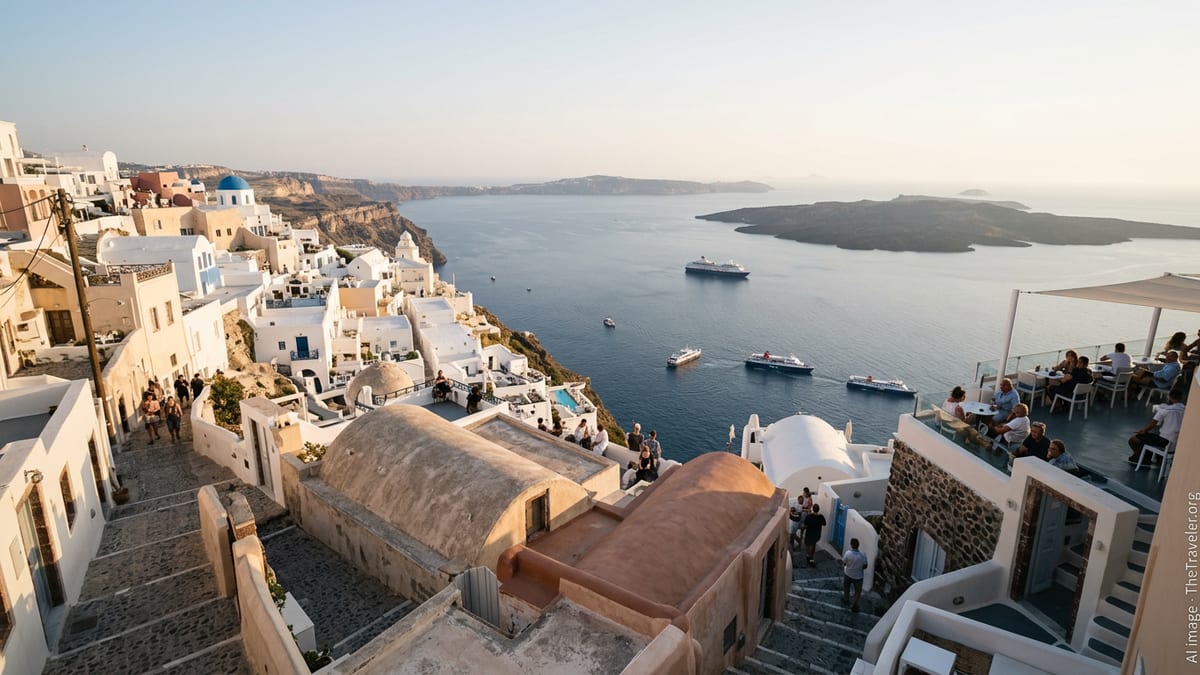
Greek based Celestyal is also reshaping its winter strategy, with the line set to extend its Eastern Mediterranean program and introduce new Western Mediterranean sailings for the 2026 to 2027 and 2027 to 2028 seasons. Recent deployment updates show that Celestyal will step back from a previously announced Arabian Gulf program to reinforce its core regional focus closer to its Athens base.
According to recent trade coverage, the 1,360 guest Celestyal Discovery will add extra departures of its short “Iconic Greek Islands” cruises in November 2026 and March 2027, effectively stretching the traditional season at both ends. At the same time, the 1,260 guest Celestyal Journey will operate additional March 2027 itineraries combining Greece with Italy and Croatia, alongside more of the line’s “Idyllic Greece” routes.
Celestyal is also preparing a new Western Mediterranean itinerary on Celestyal Discovery for winter 2026 to 2027 and winter 2027 to 2028, giving the brand a broader footprint across the region during months that were once considered low demand. The company has indicated that these sailings will be bookable from mid June 2026, with more detailed port sequences and pricing still to come.
Observers note that the adjustment consolidates Celestyal’s positioning as a specialist in Mediterranean itineraries, leveraging smaller ship sizes and port access in both well known and lesser visited islands and coastal towns. The extended season provides more options for travelers interested in Greek and Adriatic destinations without committing to peak summer dates.
Off season cruising gains momentum in Europe
The combined moves by Holland America and Celestyal underscore a wider shift toward off season cruising in Europe. Cruise planners point to rising summer heat, congestion in marquee ports and changing school and remote work patterns as factors that are pushing some guests to consider winter and shoulder season voyages.
In Northern Europe, Holland America’s winter itineraries are expected to capitalize on interest in Christmas markets, Arctic light and cold weather city breaks. In the Mediterranean, both lines are emphasizing cultural immersion, food and wine, and easier sightseeing when daytime temperatures are milder and lines at major attractions are typically shorter.
Pricing is another factor drawing attention. Commenters in trade and consumer forums suggest that comparable itineraries in January or March can undercut peak summer sailings by a notable margin, while also offering more favorable airfares. For value focused travelers, particularly from North America and the United Kingdom, the chance to experience Europe with lower overall trip costs is emerging as a significant selling point.
The evolving deployment patterns also reflect infrastructure and operational changes. Keeping ships close to core markets for longer reduces repositioning distances and can simplify logistics around maintenance, crew movement and provisioning, all of which influence how cruise lines plan their global networks.
What the expanded programs mean for travelers
For prospective guests, the expanded year round offerings from Holland America and Celestyal translate into a wider range of choices when planning Europe trips in the coming years. Travelers who once had to choose between summer crowds or forgoing a cruise altogether may now find itineraries tailored to quieter seasons, including November, January, February and March departures.
Holland America’s decision to base Nieuw Statendam in Europe year round gives loyal guests more itinerary variety in a familiar onboard environment, particularly those seeking longer voyages that combine multiple regions such as the Western Mediterranean, Eastern Mediterranean and Canary Islands with segments in Northern Europe. The line’s traditional emphasis on destination focused programming and longer port calls is likely to resonate with passengers interested in cultural travel outside the peak holiday window.
Celestyal’s shift further toward year round Mediterranean cruising, meanwhile, offers shorter three, four and seven night options that can be paired with land stays in Athens, Rome or other gateway cities. For independent travelers and repeat visitors to Greece, the extended shoulder seasons open up additional opportunities to visit islands and coastal towns when local life is less shaped by high summer tourism.
Industry analysts suggest that as more data emerges from these deployments, other cruise brands may consider similar year round or extended season strategies in Europe. For now, off season travelers stand to benefit from a growing number of itineraries that promise familiar destinations in a different light, from Northern Europe’s winter markets to the quieter harbors of the Mediterranean.