


More news on this day
Hundreds of international passengers departing from Chennai Airport this week reportedly endured hours-long queues outside the terminal after several entry gates to the international section remained closed during peak morning operations, leading to fears of missed flights and renewed scrutiny of crowd management at one of India’s busiest gateways.
Get the latest news straight to your inbox!
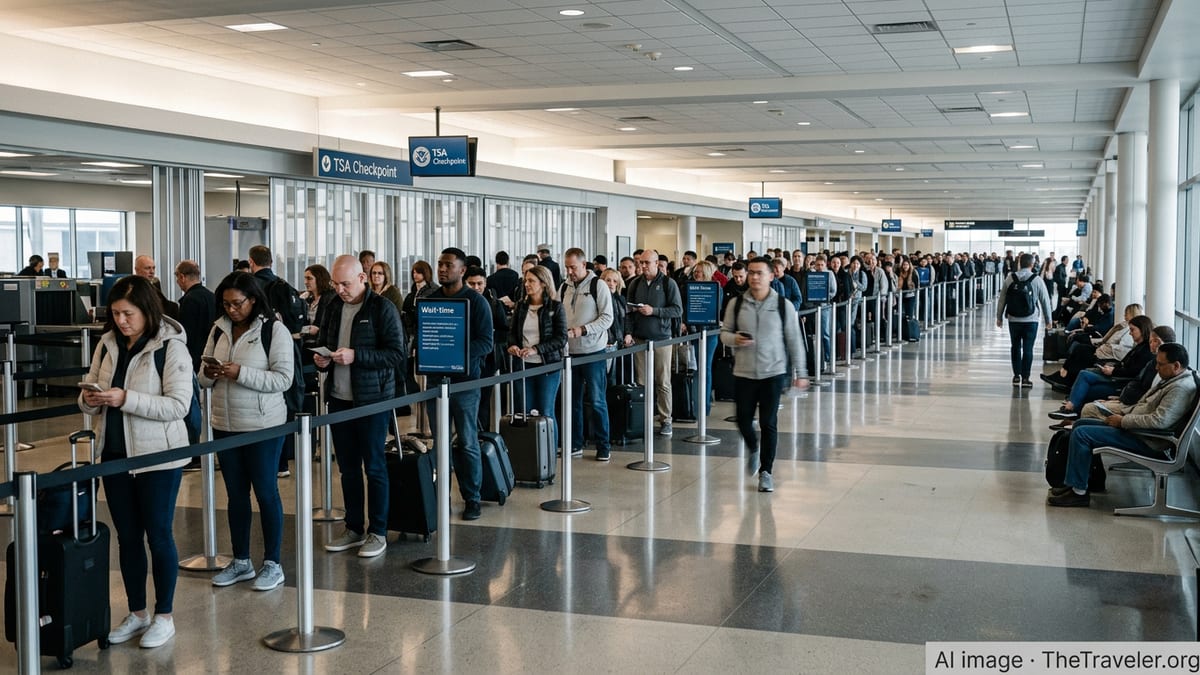
Early-morning congestion leaves flyers waiting outside
Published coverage indicates that the disruption unfolded during the early hours of Tuesday, July 28, when four of the twelve entry gates at the international terminal were reportedly kept shut for several hours during the morning rush. With only a limited number of doors available, outbound passengers were funneled into a narrow access point, triggering long lines that stretched from the terminal entrance deep into the adjacent parking area.
Reports describe families with children, elderly travelers and corporate passengers waiting in static queues for extended periods simply to clear the initial terminal entry check. Many were headed to major hubs such as London, Dubai, Singapore, Doha and destinations in Southeast Asia, where missed departures can cascade into costly rebookings and disrupted onward connections.
Some accounts suggest that the bottleneck built up quickly after around 5 a.m., as early bank departures converged on the same restricted set of entry gates. With the remaining doors still locked, crowd density reportedly increased, and passengers already anxious about check in, immigration and security were left uncertain about whether they would make it to their flights on time.
Publicly available information indicates that the gate closures continued for several hours before full access to the terminal was restored, by which time the morning peaks for several international departures had already passed.
Four gates reportedly closed for up to six hours
According to multiple media summaries, gates numbered 5, 8, 9 and 10 at Chennai’s international terminal were among those that remained closed during the incident. These gates are typically part of the primary access channel feeding passengers from the curbside and parking area into the check in hall for outbound international flights.
Coverage suggests that the affected gates were shut from around 5 a.m. until approximately 11 a.m., effectively halving the usable entry points during one of the busiest windows for overseas departures. With only a subset of doors available, the flow of passengers into the building slowed sharply, even as scheduled flight loads continued to arrive at the airport.
As queues lengthened, social media posts and traveller accounts referenced concerns about missing baggage drop deadlines and boarding times. In the absence of clear signage or explanations at the curbside, many passengers reportedly remained in line on the assumption that security or immigration checks had already begun inside, only to later find that they still had multiple layers of screening to clear once they finally gained entry.
While detailed operational reasons for the prolonged closure of the four gates were not immediately highlighted in public reports, the duration of the lockout and its timing at the height of outbound traffic have intensified discussion around staffing, coordination and contingency planning at the newly built international terminal.
Impact on flights and passenger experience
The immediate operational impact appears to have varied by airline and route. Some flights reportedly boarded on time after airlines accelerated check in once passengers reached the counters, while others faced delays as aircraft awaited late-arriving travelers emerging from the queues at the terminal entrance.
Media coverage and online travel forums indicate that several services to key Gulf and Southeast Asian hubs experienced schedule disruptions, echoing a broader pattern of recent strain at Chennai Airport, where international operations have already been affected this month by regional geopolitical tensions and weather related rerouting.
For passengers on the ground, the most visible effect was the physical discomfort and uncertainty of being held outside the main building for an extended period. Accounts describe travelers standing in humid pre-dawn conditions with limited shade and minimal crowd marshalling, as lines snaked past the drop off lanes and into the parking zone. Some reports mention passengers with early check in windows expressing frustration that they were unable to even reach airline counters despite arriving well ahead of their flights.
The incident has also revived criticism of wayfinding and amenity provision at the international terminal. Travellers have previously highlighted gaps in seating, restrooms and food options in certain areas of the facility, and the latest congestion has led to fresh questions about how the terminal’s design and staffing model can cope with sudden surges in passenger numbers when access points are reduced.
Management under scrutiny at expanding hub
Chennai International Airport has been undergoing a multi year expansion program, including the introduction of the integrated Terminal 2 for international operations, with the goal of increasing overall passenger capacity and improving connectivity. The airport serves as a key gateway for South India, with strong traffic to the Gulf, Southeast Asia and Europe, and is expected to handle steadily rising volumes as new routes and frequencies are added.
However, the gate closure episode has drawn attention to the operational side of this growth. Commentators have pointed to a perceived gap between the physical expansion of facilities and the robustness of day to day passenger flow management, especially during peak travel waves in the early morning and late night banks of international departures.
According to published commentary, regular users of the airport have been voicing concerns for some time over unpredictable queues at immigration and security, as well as occasional bottlenecks at curbside drop offs. The latest disruption at the terminal entrance is being seen as an extension of these challenges, underlining how a single constraint in the access chain can reverberate through the check in, screening and boarding process.
Airport users and aviation observers are also linking the incident to the broader conversation about long term capacity in the Chennai region, including proposals for a new greenfield facility and additional terminal infrastructure. For many frequent travellers, the scenes outside the international terminal this week have reinforced calls for investment not only in new buildings but also in staffing, technology and real time crowd control.
Calls for better crowd management and communication
In the wake of the disruption, passenger advocates, travel forums and local commentators have intensified calls for more proactive crowd management protocols at Chennai Airport. Suggestions circulating in public discussion include dynamic opening of all available entry gates during identified peak hours, greater use of queuing barriers and signage, and more visible on ground coordination to direct passengers toward less congested access points.
There is also renewed focus on communication. Reports from the scene indicate that many travellers in the queues were unsure why the gates were closed, how long the wait might last, or whether alternative entrances were available. Observers argue that timely public address announcements, additional staff presence in the parking and drop off zones, and real time updates through flight information displays and airline channels could significantly reduce anxiety and help distribute crowds more evenly.
Industry analysts note that similar episodes of congestion have been reported at other major airports in India and abroad when specific access points or security lanes were taken offline, suggesting that Chennai’s experience forms part of a wider challenge facing rapidly growing hubs. As international travel continues to rebound and summer holiday traffic peaks, the emphasis on resilient passenger flow systems and clear communication is likely to remain high on the agenda for airports across the region.
For now, the long queues outside Chennai’s international terminal have become a vivid illustration of how quickly normal operations can unravel when a small number of critical doors stay shut, and how essential it is for busy hubs to anticipate and manage those choke points before passengers find themselves stranded outside the very terminal they are trying to reach.