


More news on this day
With chronic disruptions now a feature of U.S. air travel, new research indicates that roughly 73 percent of American flyers lose money when their flights are delayed, absorbing a growing “delay tax” in extra expenses and lost time.
Get the latest news straight to your inbox!
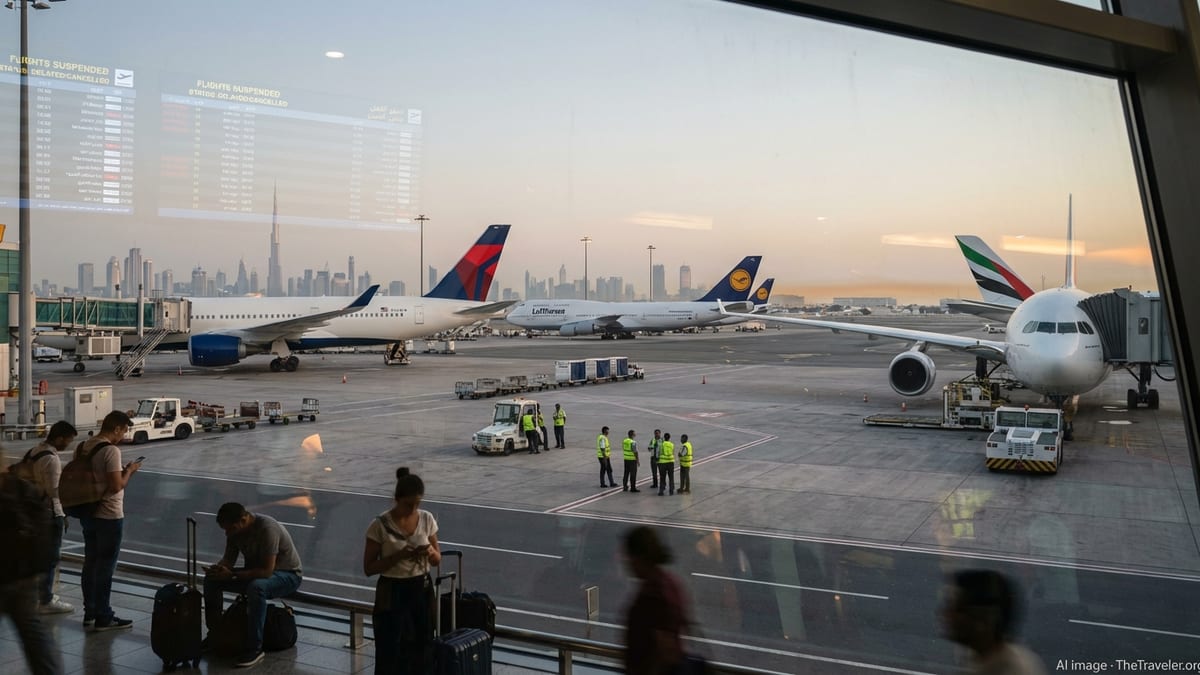
Delays Are Up, Wallets Are Thinner
Recent consumer surveys suggest that nearly three in four U.S. air travelers come out behind financially when their trip is disrupted, once last minute hotels, rebooked ground transport, missed events and lost work time are added up. Those findings echo separate disruption analyses that estimate the average major delay or cancellation can cost an individual traveler hundreds of dollars in direct and indirect losses.
Government and industry statistics show that delays remain a stubborn part of the system. Bureau of Transportation Statistics data indicates that around three quarters of domestic flights arrive on time in a typical year, leaving roughly a quarter delayed, cancelled or otherwise disrupted. At the same time, recent watchdog reports note that overall on time performance in 2025 slid to its weakest level in years, while long tarmac delays rose sharply, signaling additional stress for passengers already bracing for problems before they reach the airport.
Behind those numbers is a mix of causes that determine whether travelers will see any financial relief. Federal data continues to show “late arriving aircraft” and other carrier related issues as leading drivers of delays, alongside weather and wider air traffic system constraints. For passengers, that distinction is crucial, because it often decides whether the airline offers meal vouchers, hotel rooms or additional compensation beyond a basic refund.
Know What the Rules Actually Promise
One reason so many travelers pay a delay tax is simple confusion about what U.S. rules guarantee. Travel law overviews and consumer guides emphasize that the United States does not have an EU style regime that pays automatic cash compensation for most long delays or last minute cancellations. Instead, the core of U.S. protections is about getting money back when a flight is significantly changed or scrapped.
A 2024 federal rule strengthened those refund protections by requiring airlines to automatically return the full ticket price, including taxes and fees, after certain substantial delays or cancellations when a traveler chooses not to continue the trip. Passenger rights explainers note that this applies even to nonrefundable tickets and regardless of the reason for the disruption, provided the airline cannot offer a reasonable alternative the traveler is willing to accept.
However, there is no nationwide requirement for airlines to pay extra for a traveler’s time. Whether a passenger receives a hotel stay, meal money, rebooking on another carrier or a travel credit during a controllable delay depends largely on each airline’s written customer service commitments. Consumer advocacy sites and travel insurers point out that many travelers do not review those policies before booking, leaving them unsure what they can reasonably request when things go wrong.
Turn Delays Into Refunds, Not Sunk Costs
Experts in travel rights say one of the most effective ways to fight the delay tax is simply to refuse unnecessary sunk costs. When a delay or schedule change becomes significant enough that a trip no longer makes sense, federal guidance and legal analyses stress that travelers can often decline rebooking and ask for a cash refund instead of taking a credit.
That distinction matters because credits and vouchers can come with blackout dates, expiration rules and other restrictions that reduce their real value. Some passengers never get around to using them, effectively paying the price of the delay themselves. Refund focused resources advise travelers to be clear at the counter or in chat that they are requesting a refund to the original form of payment, not a future credit, and to escalate politely if frontline agents only offer vouchers.
Another way to claw back value is to document out of pocket expenses that stem directly from a controllable delay, such as meals, ground transportation or an overnight stay. While U.S. rules do not force airlines to reimburse those costs in most cases, some carriers voluntarily cover them under certain circumstances, especially during system wide disruptions. Keeping receipts, screenshots of delay notices and records of any written promises from the airline can strengthen a later claim through customer service channels or a credit card dispute.
Let Credit Cards and Insurance Absorb the Hit
Travel financial tools are increasingly designed to take the edge off disruption, but only if passengers know the details before they fly. Many premium credit cards and some mid tier products now include trip delay coverage that can reimburse expenses such as hotels, meals and essentials after a delay of a specified length, often around six to twelve hours. Coverage guides from banks and consumer finance sites note that per ticket limits, commonly around several hundred dollars, can effectively erase the delay tax for a single trip.
Standalone travel insurance policies frequently go further, with dedicated trip delay and trip interruption benefits that can reimburse a wider range of costs when flights are pushed back or missed connections derail an itinerary. Industry advisories emphasize that travelers must typically buy coverage before a known disruption and must meet minimum delay thresholds to claim benefits. Policy language also defines which causes of delay qualify, so reading the fine print before purchase is critical.
Crucially, these protections can stack with airline refunds. Guidance from travel insurers and consumer advocates explains that a flyer who receives a refund for the unused portion of a ticket may still be able to claim for separate lodging or meal expenses caused by the delay, as long as they are documented and fall within coverage limits. That combination allows travelers to turn a costly disruption into a largely reimbursed inconvenience rather than a financial shock.
Shop Flights With Delay Costs in Mind
Another way to reduce exposure to the delay tax is to treat reliability as part of the ticket price. Performance analyses of major U.S. airports and airlines show wide differences in on time rates and average delay lengths. Some large hubs report on time percentages in the low seventies and average delays well over an hour for late departures, while better performing airports and carriers deliver more consistent operations.
Passenger rights portals from the U.S. Department of Transportation and independent comparison tools now make it easier to see each airline’s commitments on meals, hotels and rebooking during controllable delays. Consumer reports suggest that choosing a carrier with stronger written guarantees, even at a slightly higher upfront fare, can pay off when weather or congestion pushes the system to its limits.
Travel planners also encourage building realistic buffers into itineraries. Leaving more time between connections, avoiding the last flight of the day on critical routes and steering clear of known congestion peaks can limit the chance that a single delay triggers cascading costs such as missed cruises, prepaid tours or important meetings. For the growing share of U.S. flyers who expect disruption as the default, these tactics turn passive frustration into active risk management and help shrink the hidden tax that delays impose on every trip.