


More news on this day
Air travel across Asia and key Gulf hubs faced fresh disruption this week as publicly available flight tracking data and airport boards showed hundreds of cancellations and thousands of delays affecting services through Thailand, Singapore, Hong Kong, Qatar and other major transit points, with passengers on airlines such as Cathay Pacific, Emirates, Air China and Qatar Airways among those caught in the disruption.
Get the latest news straight to your inbox!
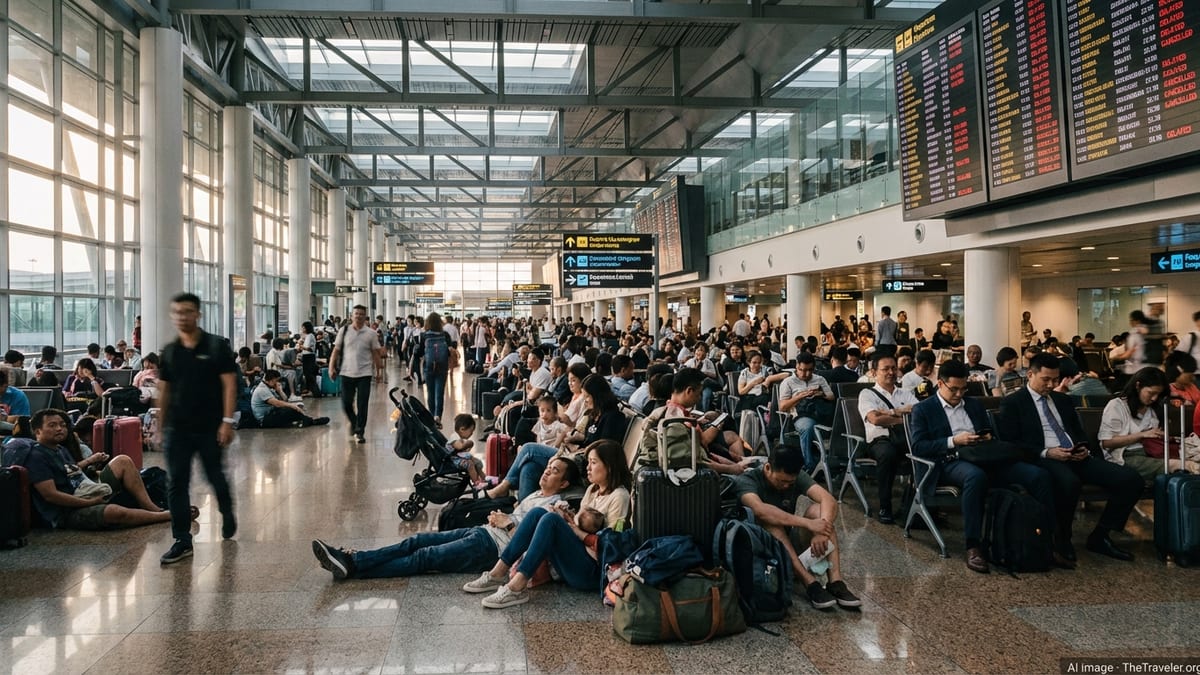
Widespread Cancellations And Delays Across Key Asian Hubs
Aggregated schedules from major airports and flight tracking platforms indicate that more than 300 flights have been cancelled and over 5,000 delayed on routes touching some of Asia’s busiest hubs, including Bangkok, Singapore, Hong Kong and Doha. The disruptions have hit both regional and long haul services, leaving travellers facing missed connections, extended layovers and last minute rebookings.
At Hong Kong International Airport, one of the region’s primary connecting points, recent operational data show a spike in delayed and cancelled flights involving carriers such as Cathay Pacific, Emirates and Air China. Similar patterns have been reported at Singapore Changi and Bangkok’s main airports, where departures and arrivals to and from East Asia, the Middle East and Europe have experienced knock on delays throughout the day.
Travel industry analyses suggest that the headline figure of 339 cancellations and more than 5,000 delays reflects a rolling tally across multiple airports rather than a single day’s disruption at one location. The concentration of problems at major transit hubs has amplified the impact on itineraries, as a single cancellation can disrupt hundreds of onward journeys.
Cathay Pacific, Emirates, Air China And Others Forced To Reroute
Cathay Pacific, based in Hong Kong, has already been operating a heavily adjusted network, with its latest notices showing extended suspensions of some Middle East routes and a focus on rerouting passengers around affected airspace. Published updates explain that when flights are delayed or cancelled, customers are rebooked on alternative services where possible and notified through flight status pages, airport displays and messaging services.
Middle East based carriers such as Emirates and Qatar Airways have also faced repeated schedule changes as they balance safety considerations with demand on key trunk routes between Asia, Europe and Africa. Publicly available coverage of the wider regional situation notes that several airports in the Gulf have operated with constrained capacity at various points this year, prompting last minute cancellations and lengthier routings that bypass sensitive airspace.
Chinese airlines, including Air China, have similarly adjusted operations on some international sectors. Data from global aviation monitors show a pattern of longer flight times and occasional cancellations on services that would normally traverse Middle Eastern corridors, contributing to the overall totals of affected flights counted in recent days.
Regional Tensions And Operational Strain Drive Ongoing Disruption
Aviation analysts link the current wave of cancellations and delays to a combination of geopolitical tensions in the Middle East and broader operational pressures in Asia’s recovering travel market. Publicly available assessments of the ongoing conflict around Iran and neighboring states describe extensive closures or restrictions in nearby airspace, forcing airlines to adopt longer routings that use more fuel and reduce schedule flexibility.
These diversions have a cascading effect on airlines that rely on tight turnarounds and high aircraft utilization. When an aircraft arrives late because it was routed around closed airspace, subsequent flights are more likely to depart behind schedule or be consolidated with other services. This pattern is visible in flight tracking logs for carriers such as Cathay Pacific and Emirates, where certain routes now show longer block times and a higher incidence of departure delays than before the latest round of tensions.
At the same time, demand for travel across Asia has remained strong. Industry traffic figures for 2026 highlight robust growth in departures from major Asian and Gulf countries, with airlines ramping up capacity to meet leisure and business travel. The combination of strong demand and constrained routing options has left networks more vulnerable to disruption when weather events, technical issues or short notice airspace measures occur.
Passengers Face Missed Connections, Overnight Stays And Rebooking Challenges
For travellers, the most immediate impact of the 339 cancellations and more than 5,000 delays has been uncertainty around connections and arrival times. Passengers transiting through hubs such as Hong Kong, Singapore and Doha have reported missed onward flights, unplanned overnight stays and complex rebooking processes, particularly when journeys involve multiple airlines or tickets purchased through third parties.
Airline customer service policies made publicly available online generally state that when a flight is cancelled or significantly delayed, affected passengers are entitled to options such as rebooking on the next available service, rerouting via an alternative hub, or, in some cases, refunds or travel credits. However, the practical experience can vary depending on local regulations, ticket type and whether the disruption is attributed to extraordinary circumstances such as airspace closures.
Travel boards and aviation forums show numerous recent accounts of passengers being shifted from disrupted Gulf routings onto itineraries that connect via Asian hubs instead, often with extended layovers. Others describe longer than usual queues at transfer desks and difficulty securing accommodation when large numbers of flights are affected simultaneously.
What Travellers Through Thailand, Singapore, Hong Kong And Qatar Can Expect
Publicly available guidance from airlines and airports suggests that passengers scheduled to travel through Thailand, Singapore, Hong Kong, Qatar and nearby hubs in the coming days should prepare for continued schedule volatility. While the overall aviation system remains operational and the majority of flights are still departing, the elevated rate of delays and targeted cancellations means that itineraries involving tight connections carry added risk.
Industry commentators recommend that travellers monitor flight status closely through airline channels, allow additional time for connections where possible, and maintain flexible plans for the first and last legs of their journeys. Those with travel insurance are also encouraged, by consumer advocacy outlets, to review coverage terms related to airspace closures and geopolitical events, as policies differ on whether such disruptions qualify for compensation.
As the situation around key air corridors continues to evolve, airlines including Cathay Pacific, Emirates, Air China and others are expected to keep adjusting schedules and routings. With major hubs in Thailand, Singapore, Hong Kong and Qatar all playing central roles in global connectivity, any further restrictions on regional airspace or capacity could quickly translate into additional cancellations and delays beyond the hundreds already recorded.