


More news on this day
Ireland is intensifying its campaign to secure new international dark sky accreditations, positioning its remote coasts, national parks and island communities as rare sanctuaries from Europe’s growing light pollution.
Get the latest news straight to your inbox!
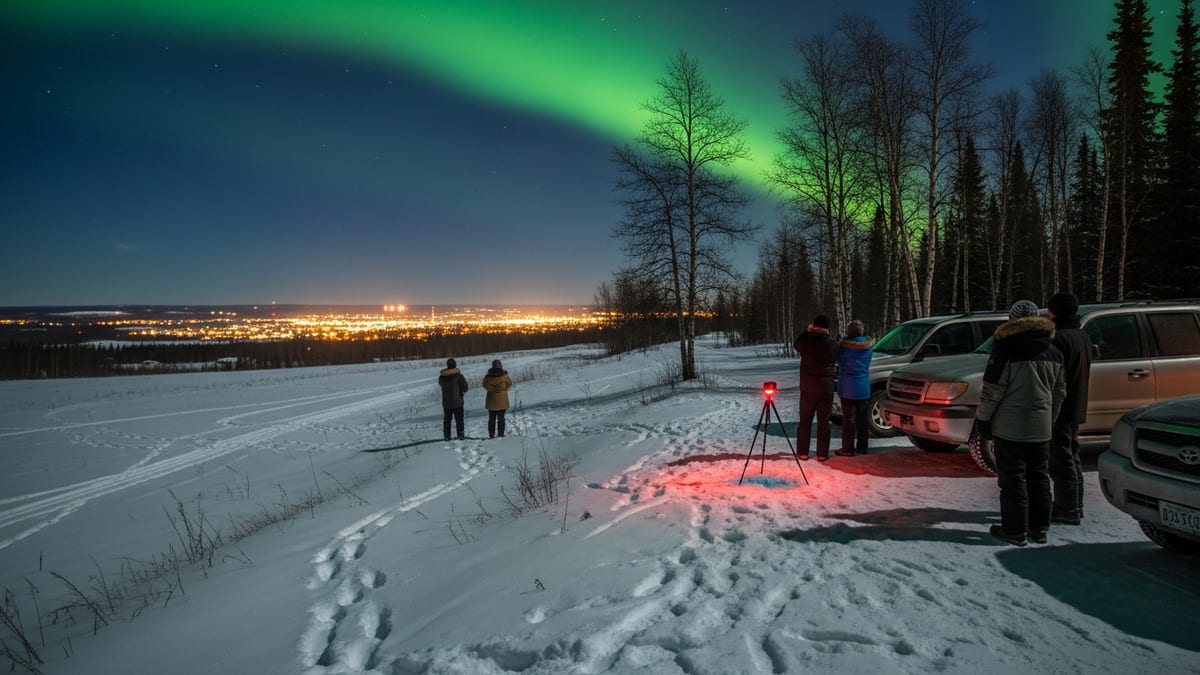
Existing Dark Sky Strongholds Put Ireland on the Map
Ireland already hosts two internationally recognised dark sky strongholds, and recent awards are sharpening focus on expanding that network. Mayo International Dark Sky Park, located within Wild Nephin National Park, was named Dark Sky Place of the Year 2024 by the nonprofit DarkSky International, according to publicly available announcements. The park, which covers a large swathe of rugged blanket bog and mountain terrain in County Mayo, is noted in official material as one of the darkest sites in Europe.
Farther south, the Kerry International Dark-Sky Reserve in the southwest has held a prestigious gold-tier designation for several years. The reserve stretches across the Iveragh Peninsula between the Atlantic coast and the MacGillycuddy’s Reeks mountains, offering unobstructed views of the Milky Way on clear nights. Irish tourism and local authority reports describe it as a cornerstone of the country’s astro‑tourism offering, with regular star parties and night‑sky events drawing visitors in winter and shoulder seasons.
These existing designations have provided a template for community‑based conservation models that tie strict lighting controls to rural development and tourism. They now serve as reference points for new candidate areas that hope to achieve similar recognition, prompting a more coordinated, nationwide push for dark sky status.
Government Strategy Elevates Dark Skies to National Priority
Recent policy documents suggest dark sky protection is moving from a niche conservation topic to a defined strand of Ireland’s environmental strategy. An implementation report linked to the state’s Heritage Ireland 2030 framework records a specific commitment to promote and expand dark sky parks and reserves. The same report notes that the National Parks and Wildlife Service has been tasked with supporting the growth of Dark Sky Ireland initiatives and hosting international conferences on artificial light at night.
In 2025, Ireland is scheduled to host the International Artificial Light at Night Conference in Westport, County Mayo, according to official conference and government listings. The decision to bring a specialist global forum on light pollution to a designated dark sky park signals an intention to position Ireland as a scientific and policy hub on the issue, not only a scenic backdrop for stargazing tourism.
Funding streams for rural development, outdoor recreation and heritage projects now routinely reference dark sky objectives. Community‑level documentation from several counties indicates that lighting upgrades, shielded fixtures and night‑sky friendly public realm designs are being tied to grant applications. This alignment of local planning and national policy is one reason observers describe the current push for additional accreditation as urgent and time‑sensitive.
New Regions Compete for International Dark Sky Recognition
Multiple regions across the island are now preparing or progressing applications for formal dark sky status. Planning and local authority reports from Mayo refer to work on transitioning from park‑scale accreditation toward a wider International Dark Sky Reserve, which would take in surrounding communities and landscapes beyond the existing park boundary. Associated projects include community outreach, training for local guides and investment in visitor infrastructure tailored to night‑time experiences.
In County Kerry, council reporting shows continued financial support for dark sky themed festivals and events along the Skellig Coast and Iveragh Peninsula. These initiatives are framed as part of a larger effort to consolidate the area’s reputation as a year‑round stargazing destination and to meet the stringent monitoring and lighting criteria required to maintain and potentially extend existing designations.
Beyond these flagship locations, advocacy groups and community councils in other rural areas, including parts of the west and northwest, have signalled interest in pursuing formal recognition from DarkSky International or similar bodies. Public submissions on planning files in counties with relatively low artificial light levels frequently reference the benchmark set by Kerry and Mayo, suggesting that dark sky branding is emerging as a competitive asset in regional development debates.
Rising Light Pollution Creates a Narrowing Window
The urgency behind Ireland’s accreditation drive is partly explained by broader European trends. Scientific studies of artificial night sky brightness indicate that 88 percent of Europe now lives under light‑polluted skies, with much of the continent’s population unable to see the Milky Way with the naked eye. Research published over the past decade shows that skyglow continues to increase in many regions, driven by urban expansion, suburban sprawl and the rapid spread of white and blue‑rich LED lighting.
Recent reviews in environmental science journals describe artificial light at night as a global pollutant affecting human circadian rhythms, migratory birds, pollinating insects and marine life. These studies note that even relatively small increases in sky brightness can disrupt ecological processes that evolved under predictable cycles of daylight, twilight and darkness. For tourism‑dependent rural areas, heightened awareness of these impacts is reinforcing arguments for strict lighting controls and targeted dark sky conservation.
In that context, Ireland’s remaining pockets of natural darkness are seen by campaigners and researchers as time‑limited assets. If unregulated lighting associated with new housing, roads and commercial schemes continues to spread into currently dark landscapes, regions that might qualify for top‑tier dark sky status in the 2020s could fall short of the necessary thresholds in a decade’s time. This sense of a narrowing window is frequently cited in planning submissions and community strategies calling for stronger protection of nocturnal environments.
Astro‑Tourism and Rural Economies Drive Local Momentum
Economic considerations are also propelling the push for official recognition. Tourism agencies and county development plans increasingly highlight night‑sky experiences as a way to extend visitor seasons and disperse tourism beyond established city and resort hubs. In Mayo and Kerry, local businesses report that stargazing events, astrophotography workshops and nocturnal guided walks help to fill accommodation and tour capacity during traditionally quiet months.
Rural recreation funding schemes list dark sky trails, interpretive signage and low‑glare lighting retrofits among eligible projects, linking astro‑tourism directly to broader efforts to revitalise small towns and villages. Communities that can demonstrate international accreditation, or at least a clear pathway toward it, may be better placed to secure grants and private investment, reinforcing the appeal of formal status.
For many of the regions now vying for designation, dark sky recognition is therefore framed as both an environmental safeguard and an economic development strategy. By codifying lighting standards and monitoring regimes through internationally recognised labels, advocates argue that Ireland can protect some of Europe’s last naturally dark skies while offering visitors a clear, marketable promise: a chance to see the night as it existed before the modern glow of cities spread across the continent.