


Floating in the Bay of Naples, Ischia and Capri are close neighbors that offer very different island experiences. Both promise lemon-scented lanes, glittering Tyrrhenian Sea views and easy ferry links from Naples and Sorrento, yet the feel on the ground could not be more distinct. Before you lock in hotel bookings or ferry tickets, it is worth asking not just which island is more famous, but which one genuinely matches your travel style, pace and budget.
Get the latest updates straight to your inbox!
First Impressions: Atmosphere and Vibe
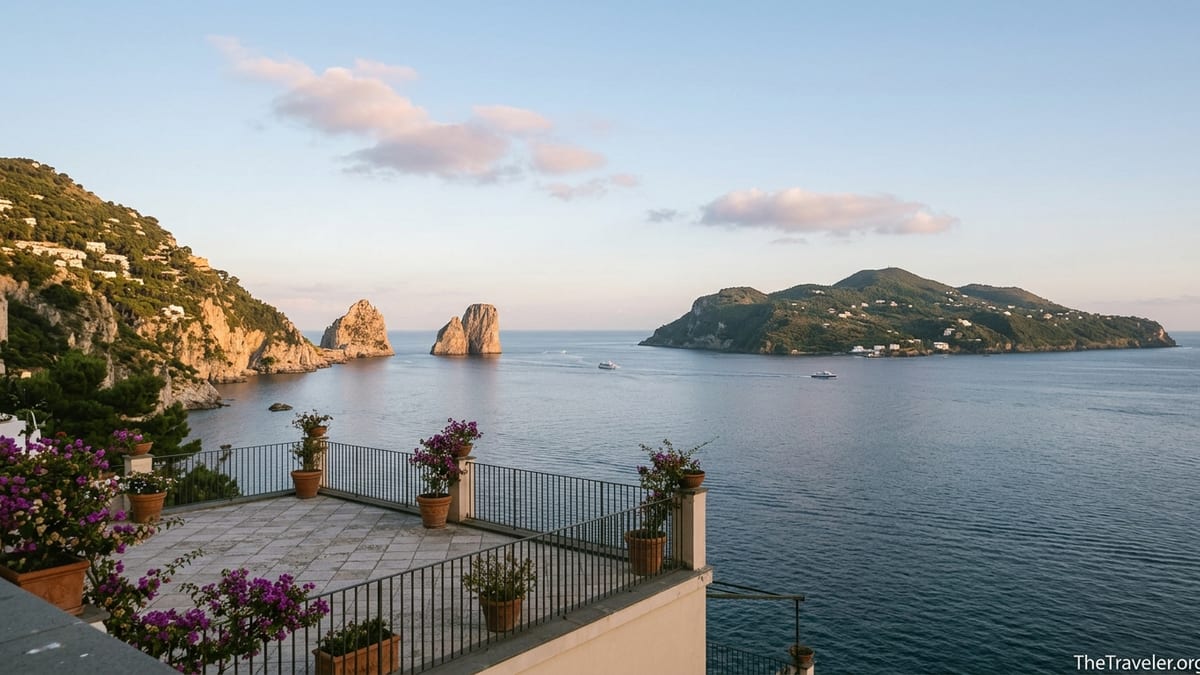
Capri has long been shorthand for Italian glamour. In high season you step off the hydrofoil into a crowd of day-trippers, private yacht guests and shoppers heading straight for the designer boutiques around the Piazzetta. The island is compact, steep and intensely photogenic, with dramatic limestone cliffs and polished public spaces. It feels curated and a little theatrical, especially in Capri town where linen-clad couples stroll past jewelry stores and perfumeries before aperitivo.
Ischia, by contrast, feels like a lived-in island that just happens to be beautiful. It is larger, greener and far more residential, with working towns like Ischia Porto and Barano sitting alongside resort areas such as Forio and Lacco Ameno. You are more likely to find a local hardware shop or family-run bakery next to your hotel than a luxury boutique. Even in peak summer there is usually space to breathe, and the mood is slower, earthier and more rooted in everyday Italian life.
If you picture yourself people-watching over an espresso near a designer storefront, Capri will feel like the right stage. If your ideal morning is wandering to a corner bar for a one-euro espresso among islanders on their way to work, Ischia is the better fit. Many travelers ultimately combine the two, but which one you choose as a base depends heavily on whether you crave polish or normalcy.
Think about your tolerance for crowds as well. At the height of summer, central Capri can feel overwhelmed with visitors from late morning until the last ferries depart, while Ischia spreads its visitors across multiple towns, beaches and thermal parks, so the density feels softer.
Budget Reality Check: What Your Money Buys
Costs on both islands are higher than in mainland cities like Naples, but Capri is consistently the more expensive choice across almost every category. Recent price breakdowns for Capri show round-trip high-speed ferry tickets from Naples often in the range of about 40 to 50 euros per person, depending on season and vessel type, with slower ferries slightly cheaper. On top of that, a simple day that includes a boat tour around the island, the Blue Grotto, a couple of paid sights and lunch can easily approach 100 euros per person before dinner or shopping.
On Ischia, ferries from Naples typically start from the mid-teens in euros for the slowest crossings, with a wide range of departures and over 30 daily sailings in peak season. That alone can shave a noticeable amount off a family’s transport budget. Once on the island, mid-range hotels with pools and sea views are generally more attainable, and even many four-star properties with thermal facilities price below comparable hotels on Capri. A pizza or plate of pasta in Ischia Porto or Forio often costs closer to what you would pay in Naples, while Capri’s most central restaurants tend to charge a premium for the setting.
Concrete example: a Capri chairlift ride to Mount Solaro, an organized boat tour and entrance to iconic gardens can quickly add up to dozens of euros in entrance and activity fees for a single person. In Ischia, a full day at a thermal park such as Poseidon or Negombo often includes multiple pools, sea access and loungers for a bundled day rate that feels like better value for money, especially for couples or families who plan to stay put and relax.
If you are traveling on a tight budget, or planning a longer stay of a week or more, Ischia will almost always stretch your euros further. Capri works best if you are comfortable with higher daily spending, or if you treat it as a splurgey one- or two-night stay built into a bigger trip.
Beaches, Sea & Scenery: Where to Swim and Sunbathe
Both islands deliver gorgeous sea views, but the actual beach experience differs sharply. Capri is mostly about dramatic rock formations and deep blue water rather than long sandy stretches. The famous Faraglioni sea stacks are stunning from a boat or beach club, but many swimming spots are rocky platforms or small coves with pebbles. You will find beach clubs such as those at Marina Piccola that rent sun loungers and umbrellas by the day, often at premium rates, and space can be tight in high season.
Ischia, built on volcanic terrain, offers more and better beaches for relaxed swimming and sunbathing. Spiaggia dei Maronti runs for roughly three kilometers and mixes public sections with paid lidos, making it easy to lay down a towel or rent a lounger. Citara Beach near Forio is another popular spot, with the added bonus of sunset views and nearby thermal pools. Families appreciate that many Ischian beaches slope gently into the water, making swimming less intimidating for children.
For snorkeling and coastal scenery, Capri’s cliffs and coves win on drama. Boat tours take you into sea caves and along sheer rock faces, and swimming off the boat in these deep, clear waters feels truly cinematic. Yet if your priority is spending several lazy beach days walking straight into the water from a sandy shoreline, Ischia is the practical choice. You can still book a boat trip around Ischia or over to neighboring Procida for additional coves and viewpoints.
Consider also how comfortable you are with walking and stairs. Capri’s most charming viewpoints, including terraces above the Faraglioni and some tucked-away swimming spots, often involve steep climbs or descents. Ischia has hills too, but the larger size and spread-out roads mean you can often reach beaches and towns with less intense stair-climbing, especially if you use the local buses.
Thermal Baths vs Iconic Sights: What You Actually Do All Day
One of the clearest differences between Ischia and Capri is how you are likely to spend your days. Ischia is famous for its thermal waters, with springs feeding everything from simple public baths to elaborate park-like complexes. A day at Giardini Poseidon Terme on Citara Bay might include hopping among pools of different temperatures, wading in thermal waterfalls, using the private beach and pausing for a casual lunch at the on-site restaurant. Negombo in Lacco Ameno combines landscaped gardens, multiple pools and beach access in a similar full-day format.
Capri, on the other hand, is about marquee attractions. Most itineraries revolve around a boat circuit of the island, a visit to the Blue Grotto when seas allow, and walks to famous viewpoints such as the Gardens of Augustus or the chairlift ride up to Mount Solaro from Anacapri. Each of these experiences is individually priced, which is ideal if you like to pick and choose rather than commit to one facility for the entire day. Visitors often pair sightseeing with shopping, aperitivo in the Piazzetta, and lingering over dinner at a terrace restaurant.
If your ideal vacation is slow and spa-like, dipping into jet pools and reading on a lounger between swims, Ischia’s thermal culture is hard to beat. Many hotels also have their own thermal pools, so you can build wellness into every day without leaving your property. Conversely, if you prefer to tick sights off a list, Capri offers more single, must-see destinations per square kilometer, from villas and churches to panoramic terraces overlooking the Faraglioni.
When comparing the two, ask yourself which you will feel better about at the end of the trip: a stack of entry ticket stubs and iconic photos, or a deep sense of physical unwinding from hours spent in mineral-rich hot and warm pools. That answer alone can quickly point you toward Capri or Ischia.
Logistics: Getting There, Getting Around and Crowds
From a transport standpoint, both islands are accessible, but your experience on arrival day may feel quite different. Ferries from Naples to Capri cover roughly 30 kilometers, with high-speed crossings often taking about 45 to 55 minutes and slower ferries around 80 to 90 minutes, depending on the company and sea conditions. In peak months there can be over 20 daily departures from Naples and additional services from Sorrento, Salerno and smaller ports along the coast. Tickets for faster boats typically start in the high teens to mid-twenties in euros one way, depending on speed and season.
Ischia is slightly farther out, but ferry frequencies are still high. Routes from Naples to Ischia Porto and other island ports record more than 30 daily crossings during the busiest months, with slower ferries priced in the mid-teens in euros one way and hydrofoils costing more. Travel times vary from under an hour on faster vessels to around 90 minutes on standard ferries. Because Ischia has multiple ports, it is often easier to find a schedule that aligns with your arrival in Naples, reducing time spent waiting in the harbor.
Once ashore, getting around Capri relies heavily on a combination of the funicular that links the Marina Grande port to Capri town, small local buses, taxis and a lot of walking. Buses and the funicular can develop long lines in the late morning and late afternoon, especially when day-trippers arrive or rush back for their ferries. Taxis are plentiful but expensive, and the limited road network means you are often sharing space with service vehicles on narrow lanes.
On Ischia, the larger road network and island bus system make it easier to move between towns and beaches. Public buses circle the island and run inland routes, though they can still be crowded in August. Many visitors base themselves in Forio or Ischia Porto and use buses or occasional taxis to reach thermal parks and beaches. While traffic can be busy at peak times, the feeling is more of a standard Italian seaside town than a compressed, vertical resort.
Best Match by Traveler Type
Capri is often the better match for travelers who have a short window and want maximum impact. If you are in Italy for a week and spending most of it in Rome or the Amalfi Coast, one or two nights on Capri add a dramatic highlight. The island suits design lovers, photographers, honeymooners and shoppers who are happy to splurge on a sea-view suite, book a private or semi-private boat and pay premium prices for cocktails with a view.
Ischia fits travelers who value space and time over glamor. If you have five to seven nights to dedicate to one island, you will almost certainly feel more at home in Ischia, where you can alternate beach days, thermal park visits and low-key evenings in harbor towns. It is particularly comfortable for families with children, older travelers who prefer flatter promenades and more seating, and anyone whose top priority is relaxation rather than social scene.
Solo travelers may want to think about their social style. Capri can be fun if you enjoy bar-hopping and striking up conversations in busy piazzas, but it is also easy to feel lost among couples and groups. In Ischia, you are more likely to meet both fellow travelers and locals at your hotel pool, on buses or in neighborhood bars, often at a slower, friendlier pace. For digital nomads or long-stay visitors combining work and leisure, Ischia’s lower costs and more residential services make everyday life easier.
If you are deciding for a special occasion, such as a honeymoon, ask whether you want your splurge to be visible in every detail or to sit quietly in the background. Capri will make every moment feel curated and more formal. Ischia lets you upgrade to a beautiful spa hotel or sea-view room while still spending many hours in simple, local environments.
Seasonality, Weather and When Each Island Shines
Both islands share a broadly similar climate, with hot, dry summers and mild, wetter winters, but they behave differently once the high season ends. Capri’s tourist infrastructure is heavily concentrated between roughly April and October. Outside those months many hotels and restaurants close, and ferry schedules are reduced, making it more of a quiet retreat than a lively destination. During shoulder seasons like late April, May, September and early October, Capri can feel far more pleasant, with manageable crowds and easier access to its sights.
Ischia has a somewhat longer season, especially for thermal travel. Because the hot springs are appealing in cool weather, some thermal hotels and parks attract visitors well into the shoulder months. However, even on Ischia many beach clubs, gardens and attractions reduce hours or close during the depths of winter, and some major sights may not operate on a normal schedule in March or November. If you travel in those fringe months you should expect a quieter atmosphere, fewer restaurant choices and limited boat excursions, but more interaction with year-round residents.
High summer, particularly late July and August, brings heat and crowds to both islands. On Capri, day-tripping from the mainland is extremely popular, so arrival areas and the funicular can feel congested for much of the day. Ischia spreads visitors out over a wider area, but buses and popular thermal parks still fill up. For many travelers the sweet spot for either island is May, June, September or early October, when sea temperatures are pleasant, ferries run frequently and the overall mood is festive but not frantic.
When comparing the two by season, consider how important nightlife and restaurant choice are to you. Capri has more high-end venues that close entirely in winter and can feel sleepy even in the shoulder season once day-trippers leave. Ischia tends to keep a baseline of everyday life ticking along, with local bars, pastry shops and supermarkets open year-round, even if tourist-oriented spots take a pause.
The Takeaway
Choosing between Ischia and Capri is less about which island is objectively better and more about which one mirrors the way you like to travel. Capri concentrates beauty, luxury and famous sights into a small area, rewarding travelers who are prepared for higher prices, crowds in peak season and plenty of uphill walking. It is a natural fit for short, high-impact stays, celebrations and travelers who want Italian island glamor with all the trimmings.
Ischia, by contrast, stretches out time and space. It trades Capri’s intensive spectacle for long beach days, restorative thermal soaks and everyday island life. It is where your travel budget goes further, your schedule breathes more, and your days follow a slower rhythm. If you close your eyes and picture your perfect island morning and it involves a local bar, a thermal pool or a long sandy beach, Ischia is likely your island.
If your itinerary allows, many visitors find the ideal compromise is a few relaxed days in Ischia and a one- or two-night stay on Capri, or even a long Ischia stay with a day trip to Capri for its headline sights. But if you must choose only one, let your travel style lead: Capri for glamour, views and a concentrated hit of spectacle, Ischia for wellness, beaches and an authentic, slow-burn connection to the Bay of Naples.
FAQ
Q1. Is Ischia or Capri better for a first-time visitor to Italy?
For a short first trip focused on big-name sights and dramatic views, Capri fits better. If you have more time and want a relaxed, less touristy base, Ischia is usually the better choice.
Q2. Which island is more budget-friendly overall?
Ischia is generally more budget-friendly, with cheaper ferries, more mid-range accommodation, and restaurant prices that are closer to mainland Italian norms than Capri’s.
Q3. Can I visit Capri as a day trip from Ischia or vice versa?
Yes, in season there are boat connections that allow day trips between the islands, though schedules change by month. Many travelers base in Ischia and spend one day on Capri.
Q4. Which island has better beaches for swimming?
Ischia offers more and longer sandy beaches, such as Maronti and Citara, and is usually better for relaxed swimming and family beach days than rocky Capri.
Q5. Is Capri really as crowded as people say?
In peak months Capri’s port, funicular and central piazzas can be very crowded during the day. Mornings, evenings and shoulder seasons are noticeably calmer.
Q6. Is Ischia hard to get around without a car?
No, most visitors get around Ischia by bus, taxi and on foot. The island has an extensive bus network linking towns, beaches and thermal parks, though buses can be busy in summer.
Q7. Which island is better for thermal baths and spa experiences?
Ischia is the clear leader for thermal baths, with multiple large parks and many hotels built around hot springs, making it ideal for spa-focused trips.
Q8. Is the Blue Grotto on Capri worth planning a trip around?
The Blue Grotto is memorable in good conditions, but access depends on calm seas and wait times can be long. It is best seen as a bonus rather than the sole reason to visit.
Q9. When is the best time of year to visit Ischia or Capri?
May, June, September and early October balance pleasant weather with fewer crowds. July and August are hottest and busiest, and many services scale back in winter.
Q10. If I love nightlife and stylish bars, which island should I choose?
Capri generally offers a more glamorous nightlife scene, with chic bars and terrace restaurants. Ischia has a friendlier, more low-key evening atmosphere centered on harbors and town squares.