


More news on this day
As peak summer season unfolds in Europe, travelers with plans for France and Spain are confronting unsettling images of wildfires, heatwaves and evacuations, even as flights, trains and hotels continue to operate largely as scheduled. The question many are asking is not just whether their trips will go ahead, but whether it is genuinely safe or sensible to visit right now.
Get the latest news straight to your inbox!
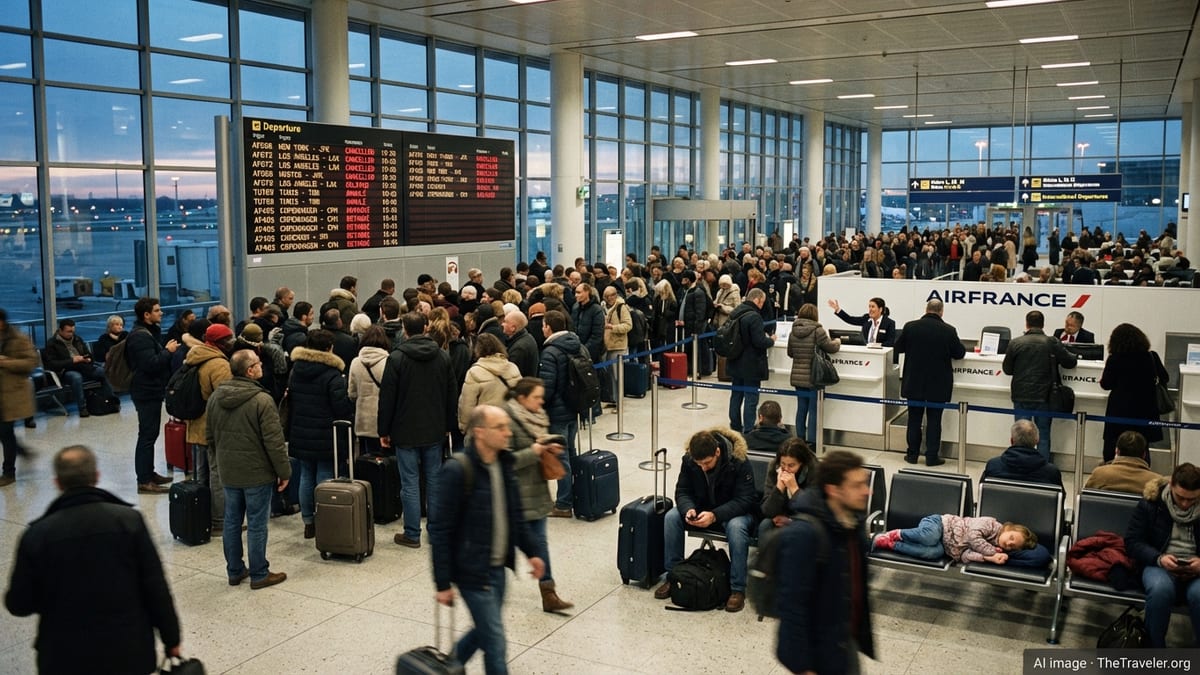
Overall risk levels remain moderate for most visitors
Recent government advisories from major tourism source markets continue to place both France and Spain in the moderate-risk category, generally advising travelers to exercise increased caution rather than to avoid travel entirely. Publicly available guidance highlights familiar concerns such as petty crime in busy tourist areas, occasional protests that can disrupt transport, and seasonal weather extremes.
For most travelers heading to major cities like Paris, Barcelona or Madrid, as well as established coastal resorts, routine tourism activity is continuing. Airlines are maintaining schedules, trains are running and major attractions remain open, although visitors may encounter localized disruption linked to weather, strikes or crowd-control measures.
Travel experts generally frame the current situation as one of heightened awareness rather than widespread cancellation. Prospective visitors are encouraged to read the latest advisory for their nationality, understand any insurance limitations related to natural disasters and monitor local news in the specific regions they plan to visit, rather than basing decisions on headlines from elsewhere in the country.
That distinction is critical in both France and Spain, where conditions can vary dramatically within relatively short distances. While some areas are grappling with active wildfires and dangerous heat, others are experiencing little more than standard high-summer crowds and temperatures.
Wildfires and heatwaves reshape parts of the summer map
This summer’s most visible concern in France and Spain is the combination of prolonged heat and large wildfires, particularly in inland and forested regions. Recent coverage from international and European media describes tens of thousands of hectares burned and large-scale, precautionary evacuations from rural communities and some campsites in both countries.
In France, fires have affected areas of the southwest and parts of the Pyrenees, with firefighting operations reinforced as temperatures rise again. National and regional authorities have published regular updates on fire zones, road closures and access restrictions to forests and nature reserves, urging residents and visitors to stay away from high-risk areas and to respect bans on barbecues, agricultural work and off-road driving during critical periods.
In Spain, one of the largest wildfires in recent years has been burning in central regions, coinciding with yet another intense heatwave. Spain’s meteorological service has warned of temperatures exceeding 40 degrees Celsius in some inland provinces, and local media report episodes of poor air quality close to active fire fronts. While most coastal destinations remain open and are not directly affected by flames, some travelers may experience smoky haze or temporary closures of rural roads and hiking areas.
For tourists, the main implications are practical rather than dramatic: checking whether a planned road trip, rural guesthouse stay or hiking route lies near an affected zone, and maintaining flexibility to reroute or postpone segments if conditions worsen. Travelers with respiratory or cardiovascular conditions may wish to avoid regions flagged for poor air quality or extreme heat during peak days.
Urban security and everyday crime in major destinations
Beyond climate-driven disruptions, concerns about crime and security are another factor in safety assessments for France and Spain. Recent travel guidance for both countries notes a continued risk of terrorism in Europe, although specific threat levels vary by jurisdiction and are managed through long-standing security frameworks.
In France, the Vigipirate security plan remains the backbone of counterterrorism and public-protection measures, with periodic adjustments to alert levels in response to global and domestic events. Visible elements include patrols around transport hubs, major monuments and crowded public spaces, particularly in Paris and other big cities. Publicly available information emphasizes that these measures are designed to reassure rather than alarm visitors, and that incidents affecting tourists are rare compared with the volume of annual arrivals.
Spain similarly maintains heightened vigilance around transport, large events and popular tourist districts. Official tourism channels highlight a focus on safe tourism, including coordinated policing in resort areas and the promotion of mobile applications and hotlines that allow residents and visitors to report incidents quickly. Petty theft and scams, rather than violent crime, are described as the most common issues facing tourists in cities like Barcelona and Madrid.
Standard precautions still apply: looking after valuables in crowded areas, avoiding unlicensed taxis, steering clear of confrontations around demonstrations and allowing extra time when moving through large stations and airports where security checks can be thorough. For most visitors, these measures translate into visible security but routine city breaks.
Health, heat and infrastructure: what travelers should expect
As heatwaves become more frequent and intense, health considerations now feature prominently in travel advice for France and Spain. Public health agencies in both countries have expanded heat alert systems that trigger public messaging, extended opening hours for cooling centers in some cities and recommendations for staying hydrated, limiting midday outdoor activity and checking on vulnerable people.
For tourists, the biggest practical impact is often on comfort and scheduling rather than on immediate safety. Afternoon sightseeing on unshaded streets or long outdoor queues at attractions can be exhausting in high heat, and some museums, heritage sites or outdoor events may adjust hours or capacity limits during the hottest periods. Visitors staying in older buildings without modern air conditioning should verify what cooling is available, especially in budget accommodation or historic centers.
Transport infrastructure is generally robust, but periods of extreme heat can lead to slower rail services, temporary speed restrictions on some lines and occasional power or air-conditioning failures. Wildfire activity may also cause short-notice road closures or diversions. Following local traffic updates and having backup plans for long-distance travel days can reduce the risk of being stranded.
Medical care in both France and Spain is considered high quality. However, non-resident travelers are typically advised to carry travel insurance that covers emergency treatment, evacuation and trip interruption, particularly in a summer marked by more frequent climate-related disruption.
How to decide whether to travel now
With overall advisories remaining moderate but local conditions shifting quickly, the decision to travel to France or Spain in the coming weeks is increasingly personal. Many travelers are choosing to proceed with their plans while building more flexibility into itineraries, such as favoring city stays over remote rural areas, or selecting coastal regions with milder temperatures and better air quality.
Industry data and tourism board messaging indicate that both countries continue to welcome large numbers of visitors, with hotels, restaurants and attractions open and functioning. At the same time, there is a growing emphasis on trip preparation, from registering with consular services to using official tourism and civil-protection channels for real-time alerts on heat, fires or disruptions.
For those who are risk-averse, particularly older travelers or families with very young children or members with underlying health issues, postponing or reshaping a trip away from the hottest inland regions may bring greater peace of mind. Others may be comfortable traveling as planned, provided they remain ready to adjust daily activities and routes in response to changing conditions.
The current picture suggests that travel to France and Spain is still feasible for most visitors, but it is no longer a purely carefree proposition in the height of summer. In this season especially, safety hinges on informed choices, close attention to local updates and a willingness to adapt plans on the ground.