


More news on this day
Nepal has activated nationwide emergency preparedness measures and issued a travel advisory after meteorological bulletins warned of intense rainfall, potential flooding and landslides across large parts of the country from September 24 to 27, raising fresh concerns for residents and visitors at the tail end of the monsoon season.
Get the latest news straight to your inbox!
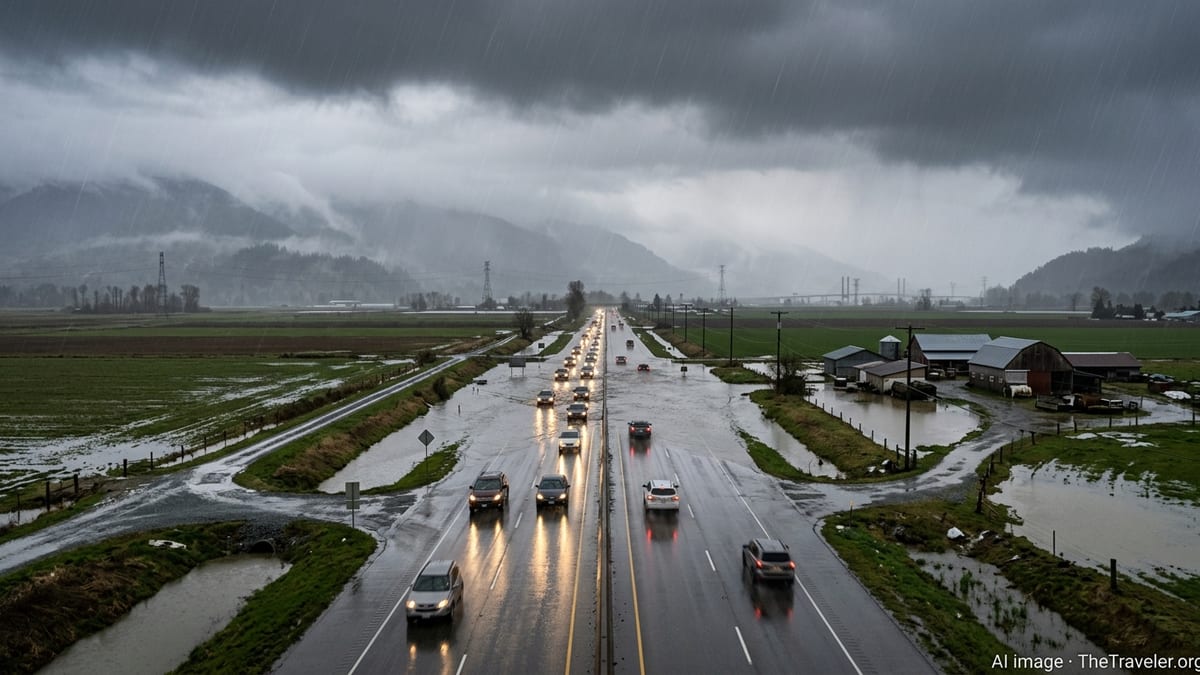
Severe weekend downpour forecast across multiple provinces
According to publicly available updates from Nepal’s Department of Hydrology and Meteorology, heavy to very heavy rainfall is expected across wide areas of the country over the coming weekend, with the most intense conditions forecast between Friday 24 September and Sunday 27 September. Forecast charts and bulletins highlight elevated risk in several provinces including Koshi, Bagmati, Madhes, Karnali and Sudurpaschim, where localized downpours could rapidly trigger flash floods and landslides.
Coverage in regional media indicates that a strengthening weather system associated with moisture from the Bay of Bengal is likely to interact with existing monsoon conditions, increasing rainfall totals over the central and western Himalayan foothills. Similar late-September systems in recent years have produced three day totals above 500 millimetres in some hill locations, leading to river surges, slope failures and disruption to road and air travel.
Reports from Radio Nepal and other broadcasters note that the national weather service has issued special advisories for the period from 25 to 27 September, with warnings that some districts could experience intense, prolonged showers. Travellers planning intercity journeys or mountain routes during this window are being urged in public messages to closely monitor local forecasts and be prepared for sudden changes in conditions.
The latest warnings come less than a month after a catastrophic flash flood on 26 August in northern Nepal, which situation reports link to a glacial collapse near the Nepal–Tibet border. That event sent torrents of water and debris down the Bhote Koshi and Trishuli river corridors, causing significant loss of life, damage to bridges, roads and hydropower facilities, and extended closures on important tourist routes.
Emergency response mechanisms move to high alert
In response to the new heavy rain forecast, Nepal’s disaster management apparatus has been moved onto a heightened footing for the coming weekend. Publicly available information from the National Disaster Risk Reduction and Management Authority describes a nationwide high alert, with provincial and district level bodies instructed to review contingency plans, assess local vulnerabilities and prepare for possible evacuations.
Government situation updates following the August floods describe how an Emergency Control Room has been operating at the Ministry of Foreign Affairs since late August, coordinating with other agencies, diplomatic missions and families of affected foreign nationals. That structure remains in place as the country faces another period of severe weather, providing a central point for information on missing persons, travel disruptions and international assistance.
The Ministry’s published advisories list dedicated hotlines for emergency coordination, operating daily from early morning to late evening Nepal time. Other public materials highlight the role of the Nepal Police, Armed Police Force and Nepal Army in search and rescue, while local municipalities are tasked with clearing drainage, identifying safe shelters and disseminating warnings through community networks.
International assessments of Nepal’s response to previous flood events, including major rainfall in September 2024, point to improvements in early warning, coordination and anticipatory action. These studies note that special hydrometeorological bulletins issued several days in advance have enabled emergency teams to be pre-positioned in high risk districts and funding to be released quickly for at-risk communities, a pattern that current preparations are seeking to replicate.
Travel advisory focuses on flood corridors and landslide risk
Alongside the emergency alert, Nepal has issued a travel advisory intended to balance caution with reassurance that the country remains largely open for tourism. Travel guidance on government and diplomatic channels continues to concentrate restrictions on specific flood affected river corridors and districts, particularly in northern areas impacted by the late August Bhote Koshi flood, while stating that other regions are operating normally.
Recent advisories from partner governments, including those issued on 4 September, underline that certain border areas and sections of highway near previous landslides remain off limits or subject to disruption. At the same time, these notices clarify that major centres such as Kathmandu, Pokhara and many trekking gateways are accessible, although visitors are urged to build flexibility into itineraries during the monsoon transition period.
Updates from Nepal’s foreign ministry indicate ongoing talks with foreign missions to ensure that international travel advisories reflect local realities on the ground. The stated objective is to confine warnings to specific high risk zones rather than the entire country, while still clearly communicating the potential for short notice road closures, flight delays and trail hazards during bouts of intense rain.
Travellers currently in Nepal are being encouraged through public information to remain in close contact with tour operators, trekking agencies and accommodation providers, who are often best placed to confirm road and trail status in real time. Many operators have introduced temporary flexibility policies following the August flood, allowing route changes or rescheduling without penalty when weather or landslide conditions warrant it.
What the warnings mean for tourists, trekkers and domestic travel
For visitors planning to arrive in Nepal over the coming days, publicly available guidance does not call for blanket cancellations but does recommend a cautious and flexible approach. International travel forums and local tourism updates emphasize that conditions can vary significantly from one valley or district to the next, with some areas experiencing only moderate showers while adjacent regions face intense downpours and swollen rivers.
Air links to Kathmandu’s Tribhuvan International Airport and domestic hubs such as Pokhara generally continue to operate during monsoon season, but flights can be delayed or diverted when cloud cover and visibility deteriorate. Travellers connecting to mountain airstrips or short takeoff and landing airports are particularly advised to allow buffer days and to be prepared for schedule changes at short notice if the forecast verifies.
On the ground, public discussion among residents and guides highlights ongoing landslide susceptibility on key highways, especially where slopes were destabilized by the August flood. Some routes, including stretches of the Prithvi Highway linking Kathmandu and Pokhara, have only recently reopened after debris clearance and temporary engineering works. Officials managing these corridors may introduce temporary closures again if rainfall thresholds are exceeded this weekend.
Trekking regions also present a mixed picture. Community updates from areas such as the Annapurna region suggest that most main trails are passable, though side routes, makeshift bridges and narrow gorge sections remain vulnerable to rockfall and slip. Hikers are being urged to avoid crossing rivers during intense rain, to stay alert for falling rocks and to consider waiting in established villages if local guides report rapidly rising water or fresh landslide activity ahead.
Practical safety guidance and information sources for travelers
Publicly available information from Nepal’s Department of Hydrology and Meteorology notes that anyone inside the country can access real time weather and flood updates via a national toll free telephone number and official broadcast channels. Travelers can also follow regular radio and television bulletins, which relay warnings about landslides, high river levels and road closures in Nepali and, in some cases, in English through partner broadcasters.
Foreign travel advisories from governments such as the United States and the United Kingdom recommend that visitors register with consular services where possible, keep passport and essential documents in waterproof bags and maintain an emergency contact plan with family or friends at home. Many of these advisories specifically warn against traveling at night on mountain roads during the monsoon period, citing the elevated risk of unseen rockfall, washouts and stalled vehicles.
Travel insurance providers commonly treat floods and landslides as natural hazards that may affect coverage. Industry guidance available online encourages travelers to review policy documents carefully to confirm that medical evacuation and trip interruption caused by severe weather are included, and to retain receipts and documentation if itineraries must be altered due to official advisories or transport cancellations.
For those already in Nepal, tourism organizations and experienced local guides consistently stress the value of conservative decision making when weather deteriorates. Choosing to wait an extra day for rivers to subside, accepting an alternate trekking route or postponing a long bus journey during an intense downpour are presented in public guidance as routine risk management rather than cause for alarm, particularly in a year when heavy rain events and their knock on effects have already placed significant strain on infrastructure across several provinces.