


Westgate Resorts markets itself as a one-stop vacation solution, with sprawling villa-style properties near major theme parks, national parks, beaches, and Las Vegas. For many travelers, especially families, a Westgate stay can look like an easy way to get extra space and resort-style amenities at a mid-range price. But Westgate is also one of the largest timeshare companies in the United States, and that brings its own set of expectations, costs, and potential frustrations. This guide looks at how Westgate actually performs for families, couples, and timeshare buyers, using real-world examples of locations, room types, amenities, and pricing so you can decide whether it is worth it for your next trip or long-term ownership.
Get the latest updates straight to your inbox!
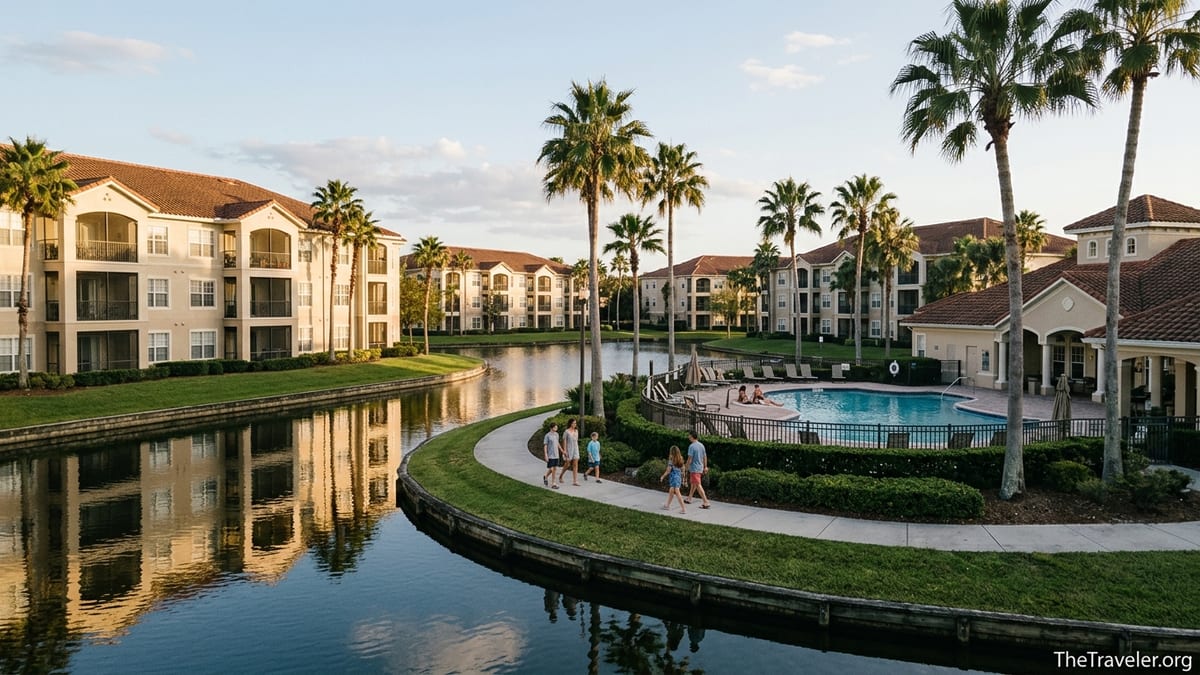
Where Westgate Resorts Are Located and What That Means for Your Trip
Westgate has grown into a network of more than two dozen resorts across the United States, centered on high-demand vacation areas. In Florida, multiple properties are clustered around Orlando’s theme parks, including Westgate Lakes Resort & Spa and Westgate Town Center near the International Drive and Disney areas. In the mountains, Westgate Smoky Mountain Resort & Water Park in Gatlinburg and several properties around Pigeon Forge put guests close to Great Smoky Mountains National Park. There are also beach options in Myrtle Beach, a ski-focused resort in Park City, and an urban casino property at Westgate Las Vegas Resort & Casino, just off the main Strip.
For families and couples who care about being near specific attractions, these locations are a major plus. An Orlando resort that sits a short drive from Walt Disney World and Universal Orlando can cut commute times and transportation costs compared with staying in farther-flung suburbs. Similarly, a stay at Westgate Smoky Mountain puts you within a few minutes’ drive of downtown Gatlinburg and the national park entrance, while Westgate Historic Williamsburg sits within a short radius of Colonial Williamsburg and Busch Gardens. The trade-off is that you are rarely in the center of a walkable downtown; most Westgate properties are destination-style complexes where you will still rely on a car or ride share.
Westgate also uses its locations as a hook for discounted promotional stays. It frequently advertises three- or four-night Orlando or Vegas packages at sharply reduced nightly rates if you agree to attend a timeshare sales presentation. Travelers considering these deals should weigh the value of the discount against the time and energy spent in a sales environment, which many guests describe as intense and persistent.
Overall, from a pure geography standpoint, Westgate delivers: its properties cluster around exactly the sort of places families, couples, and group travelers already want to be. The key question becomes whether the on-the-ground experience, room quality, and costs live up to the promise of those prime locations.
Room Types and Space: How Much You Actually Get
One of Westgate’s biggest selling points is space. Unlike standard hotel rooms, many Westgate units are condo-style villas with separate bedrooms, living areas, and full kitchens. At Westgate Lakes Resort & Spa in Orlando, for example, options range from studio villas with a kitchenette to multi-bedroom layouts that can sleep six or more. A typical one-bedroom villa there includes a king bedroom, a living room with a sofa bed, a dining table, and a full kitchen with a stove, full-size refrigerator, microwave, and basic cookware. For families used to squeezing into one conventional hotel room, this extra square footage can be a major comfort upgrade.
In the Smoky Mountains, Westgate Smoky Mountain Resort & Water Park offers similar villa-style layouts, often with rustic finishes, fireplaces in some units, and balconies overlooking the hills. In Park City, Westgate Park City Resort & Spa caters to skiers with villas that include small washer-dryers and more upscale finishes that reflect the higher price point of that market. Couples traveling alone might opt for studios or one-bedroom villas, while multi-generational families can book larger lockoff configurations that function like two adjoining condos.
However, not every Westgate property feels equally spacious or modern. The Las Vegas resort, for instance, operates as a more traditional high-rise hotel with standard rooms and some timeshare villas, and while many rooms have been renovated over time, reviews frequently note that some inventory still feels dated or basic compared with newer Strip properties. Similarly, guest feedback from Orlando and Kissimmee suggests that some villas show wear and tear, from tired carpeting to older appliances, especially in units that have not yet gone through a recent refurbishment cycle.
Travelers hoping to maximize value should pay close attention to unit descriptions and recent photos from other guests. A two-bedroom villa with a full kitchen, even if slightly dated, may still be a strong deal for a family of five or six compared with booking two connecting rooms at a nearby mid-range hotel. But couples who prioritize a modern aesthetic over sheer space might be happier in a newer, design-forward hotel room at a similar nightly rate.
Amenities, Water Parks, and Resort Fees: What Families and Couples Can Expect
Across its portfolio, Westgate positions itself as a family-friendly brand with plenty of on-site amenities. At Westgate Lakes in Orlando, for example, guests typically find multiple outdoor pools, a lazy river, a small on-site water park, mini-golf, a marina area with paddleboat rentals, and casual restaurants and bars. In Gatlinburg, Westgate Smoky Mountain has its own indoor water park, which is a big draw during colder months, along with outdoor pools, kids’ activities, and barbecue areas. Many properties also advertise fitness centers, playgrounds, and scheduled activities such as crafts or movie nights.
For couples, the appeal is more mixed. Some Westgate resorts offer spas, quiet pool areas, or adult-friendly lounges. Westgate Park City, for instance, emphasizes ski-in/ski-out access, hot tubs, and spa services, which can be ideal for a couples’ winter getaway. Westgate Las Vegas offers direct access to a large sports book, a monorail station connecting to the Strip, and a variety of on-site dining. However, these amenities often sit alongside very family-focused environments, which can make the vibe feel more casual and busy rather than romantic or boutique.
Guests should also prepare for additional fees that are common at large timeshare resorts. Daily resort fees, parking charges at some locations, and separate admission charges for on-site water parks or special activities can add up. For example, families staying in Orlando sometimes report that access to the on-site water park requires a separate per-person fee on top of the nightly room rate and resort fee. Others mention extra charges for things like mini-golf rentals, cabanas, or shuttle services, which can push the true cost of a “deal” night higher than expected.
Because amenities are a key part of the Westgate promise, it is worth checking whether all major features, such as water parks, are fully open during your intended dates. Guest reviews show instances where water parks or certain pools closed temporarily for weather or maintenance, leaving some families disappointed when a major draw was unavailable for part of their stay. Calling the resort shortly before arrival to confirm planned openings can help manage expectations.
Nightly Prices vs Value: What You Might Actually Pay
Publicly available nightly rates at Westgate properties vary widely by destination, time of year, and unit size. As a broad example, it is common to see promotional studio or one-bedroom rates in Orlando that, outside major holidays, fall somewhere in the upper double to low triple digits per night for nonrefundable deals when booked directly or through major booking platforms. Larger two-bedroom villas or peak dates, such as spring break weeks, can go significantly higher. In Park City during ski season or at the Myrtle Beach oceanfront property in summer, nightly rates often reflect the premium pricing of those markets.
The value equation changes when you factor in promotions tied to timeshare presentations. Travelers routinely report being offered three or four nights in a one-bedroom villa in Orlando for a package-style price that can be substantially lower than booking the same dates outright, on the condition that at least two adults attend a sales presentation. For a budget-conscious family, the arithmetic looks appealing: a long weekend near Disney at a rate that might undercut many branded hotels, plus a larger space and kitchen.
The flip side is that guests sometimes report intangible costs: time spent in long sales sessions, pressure to upgrade or purchase, and frustration if they feel misled about how long the presentation would last. Some online accounts describe “90-minute” presentations that stretched closer to three hours by the time multiple representatives cycled through with new offers. Others mention that generous resort credits or theme park ticket discounts were contingent on staying until the very end of the presentation, adding a layer of psychological pressure.
For travelers who book Westgate as a straightforward hotel stay, without any promotional obligations, the pricing should be compared carefully with nearby alternatives. A family booking a two-bedroom Westgate villa with a kitchen might find that the ability to cook breakfasts and some dinners offsets a slightly higher nightly rate. A couple planning to spend most of their time out at theme parks or on the Las Vegas Strip, on the other hand, may not fully use the in-room kitchen or resort amenities, making a well-located standard hotel room at a similar or lower rate a better value.
The Timeshare Angle: How Westgate Ownership Works in Practice
Timeshare ownership sits at the heart of Westgate’s business model. While the company markets benefits such as guaranteed vacation weeks, larger villas, and access to a broader network of resorts, the ownership experience can be very different from a simple hotel booking. In general terms, buyers pay an upfront purchase price for a deeded interest or long-term right-to-use interval that allows them to vacation in a specific unit type, season, or a points-based system. On top of that, they owe ongoing maintenance fees and taxes, which are subject to periodic increases as operating and upkeep costs rise.
Real-world numbers shared by owners online suggest that annual or biennial maintenance fees for a typical two-bedroom villa interest can fall in the high hundreds to around a thousand dollars per year or every other year, depending on the contract. On top of those fees, many owners also pay for membership in external exchange networks if they want to trade their week for stays at other resorts. Those memberships come with their own annual dues and per-reservation exchange fees, and some owners express frustration when the total cost climbs higher than they had anticipated at purchase.
Westgate itself emphasizes that maintenance fees fund critical items such as landscaping, utilities, insurance, housekeeping, and reserves for future renovations. From an operational standpoint, that is true of most timeshares. However, the key question for potential buyers is whether these recurring costs, combined with the upfront purchase price, deliver better value than simply booking similar accommodations on the open market. Many resale listings for timeshares, including Westgate weeks, often appear at significantly reduced prices compared with what original buyers paid. This suggests that the product tends not to appreciate like real estate and that buyers who later want to exit may recover little or none of their initial investment.
Potential buyers should also be aware of the legal and emotional weight of the commitment. Online forums feature stories of owners working through exit programs or negotiating with the company to surrender intervals after years of rising fees or changing life circumstances. While Westgate offers a formal legacy or deedback program in some cases, using these options can still be a slow process and may involve additional paperwork or requirements. Because of that, consumer advocates consistently recommend that anyone considering a timeshare take the time to read the entire contract, understand cancellation windows, and compare the total long-term cost against simply renting similar units as needed.
Guest Experience: Praise, Complaints, and Patterns to Notice
Looking across a range of guest reviews and discussions, a few patterns emerge about staying with Westgate. On the positive side, many guests like the space and layout of the villas, particularly in Orlando and the Smoky Mountains. Families often highlight full kitchens, in-unit laundry in certain villa types, and multiple bedrooms as major conveniences when traveling with young children or extended family. Some also praise specific staff members and note that when things go wrong, individual employees sometimes go out of their way to help.
On the negative side, several recurring themes appear. First, there are frequent complaints about aggressive or persistent timeshare sales efforts, even among guests who booked straightforward hotel stays. Examples include calls or visits encouraging them to attend an “owner update” or breakfast meeting that ultimately led to sales pitches, or desks near check-in that routed them toward promotional offers. Guests who were not prepared for this aspect sometimes felt their vacation was intruded upon or that they had to repeatedly decline invitations to presentations.
Second, reviews highlight a gap between the best and worst units on property. Guests assigned to recently renovated or higher-category villas often report a comfortable stay, while others in older or less updated units mention maintenance issues such as worn furniture, dated decor, or smaller problems like loose fixtures and inconsistent housekeeping. Because these resorts are large, the experience can vary significantly depending on building, floor, and refurbishment status.
Third, communication around extra fees, amenity access, and policies can be a pain point. Some families mention surprise at being charged for items they assumed were included with a “resort” stay, such as limited complimentary access to an on-site water park followed by additional day charges, or parking and resort fees that were not obvious at the time of booking. Others ran into strict cancellation or change policies tied to promotional stays, making it hard to adjust dates without losing discounts. These issues do not affect every guest, but they appear often enough that travelers should read the fine print carefully.
Is Westgate Worth It for Families, Couples, and Timeshare Buyers?
For families who prioritize space and kitchen access near major attractions, Westgate can be a good fit when approached as a conventional hotel or condo rental rather than a timeshare commitment. A multigenerational family trip to Orlando, for example, might be more comfortable and cost-effective in a two-bedroom Westgate villa with a full kitchen and shared living area than in two separate standard hotel rooms. The same applies to a family reunion in Gatlinburg, where a large villa near Westgate’s Smoky Mountain water park can keep kids entertained between excursions into the national park.
For couples, the answer is more nuanced. A pair of travelers who want a spacious one-bedroom with a kitchen near Disney or a ski slope might find Westgate appealing, particularly if they value having more room to spread out. A couple seeking a quiet, design-focused boutique hotel with minimal sales interactions, however, may be happier elsewhere. In Las Vegas specifically, couples who care most about being in the heart of the Strip nightlife may feel that Westgate’s off-Strip location and mixed timeshare-hotel identity do not align with their ideal Vegas experience, even if the room rates are competitive.
For timeshare buyers, Westgate is a much more cautious proposition. While some long-time owners appreciate having a designated vacation week and familiar resort, the combination of high-pressure sales environments, meaningful annual maintenance fees, and the difficulty of reselling or exiting means that ownership is rarely a purely financial win. Prospective buyers should compare the full cost of ownership over ten or twenty years, including projected fee increases, to the cost of simply booking similar villas as needed. Many people who initially purchase during a high-energy sales presentation later report regret and work to cancel within the rescission period or to give back their intervals years down the line.
In practice, Westgate tends to work best for travelers who want condo-style space and are comfortable saying no to timeshare pitches. Families and groups who book carefully, verify fees and amenity access in advance, and treat Westgate as a regular resort stay can enjoy a solid vacation base in prime locations. Those considering ownership, on the other hand, should move slowly, research thoroughly, and be prepared to walk away if anything about the contract or sales process feels rushed or unclear.
The Takeaway
Westgate Resorts occupies a middle ground between traditional hotels and vacation rentals, offering spacious villas in high-demand destinations backed by a large corporate infrastructure. For many families, these resorts provide an appealing alternative to cramped hotel rooms, especially in Orlando and the Smoky Mountains, where on-site water parks and kid-friendly amenities can anchor an entire week’s stay. Couples and groups may also appreciate the extra square footage and kitchen facilities, particularly on longer trips or during ski and beach seasons when having a home-like base pays off.
At the same time, the brand’s deep ties to the timeshare industry shape almost every part of the guest experience, from the promotional offers that lure travelers in with discounted stays to the sales desks just off the lobby. Extra fees, variable unit quality, and the potential for high-pressure sales interactions mean that Westgate is not a universally easy recommendation. Travelers who go in with clear expectations, a willingness to decline presentations, and a careful reading of the fine print often report a good or at least solid stay. Those who seek a low-friction, boutique-style hotel experience, or who are sensitive to upselling, may be better off elsewhere.
If you are planning a family trip and can secure a straightforward, fairly priced villa at a Westgate resort without any ownership obligation, it can be worth it for the space and location alone. If you are being pitched a timeshare purchase, however, consider pressing pause, running the numbers, and comparing your options before making a commitment that could last far longer than the vacation high that prompted it.
FAQ
Q1. Is Westgate a good choice for families visiting Orlando theme parks?
Yes, for many families Westgate can be a practical choice in Orlando because of its large villas with kitchens and proximity to Disney and Universal. The trade-off is dealing with possible timeshare pitches and extra fees, so it suits travelers who value space and are comfortable setting firm boundaries with sales staff.
Q2. Are Westgate resorts kid-friendly?
Most Westgate properties are designed with families in mind, offering pools, water features, game rooms, and scheduled activities. Resorts like Westgate Lakes and Westgate Smoky Mountain are particularly kid-friendly, but parents should check ahead to confirm which amenities are open and whether water parks or special activities require extra fees.
Q3. How much do Westgate timeshare maintenance fees usually cost?
Maintenance fees vary by resort, unit size, and ownership type, but many owners report annual or biennial fees in the high hundreds to around a thousand dollars or more. These fees typically rise over time and are owed whether or not you use your vacation week, so they should be factored carefully into any ownership decision.
Q4. Can I stay at a Westgate resort without attending a timeshare presentation?
Yes, you can book Westgate properties as a regular hotel or condo stay without agreeing to a presentation. However, you may still be invited or encouraged to attend sales events. If you are not interested, you can decline, and being clear at check-in usually reduces the number of sales contacts during your stay.
Q5. Are Westgate villas nicer than standard hotel rooms?
Many Westgate villas are larger than standard hotel rooms and include separate bedrooms, living areas, and full kitchens, which is a big advantage for families and long stays. The downside is that quality can vary: some villas feel modern and comfortable, while others show wear and could benefit from refurbishment.
Q6. Is Westgate good for a romantic couples’ getaway?
It depends on the resort and your expectations. A one-bedroom villa in Park City or a quiet corner of a Smoky Mountain property can work well for couples who value space and nature access. Couples seeking a chic, intimate boutique hotel with minimal sales interaction may find Westgate’s atmosphere a little too busy and family oriented.
Q7. Are the cheap Westgate vacation offers really worth it?
Discounted packages that include several nights at a low price can be worth it if you treat the sales presentation as the cost of the deal and you are confident you will not buy under pressure. If you dislike high-pressure sales environments or do not want to give up several hours of your vacation, booking a regular rate elsewhere may feel more worthwhile.
Q8. How hard is it to get out of a Westgate timeshare?
Exiting a timeshare can be challenging and may take time. Owners sometimes work with the company’s official exit or legacy programs, while others rely on the contract’s rescission period immediately after purchase to cancel. Once that window closes, options become more limited, so anyone who has doubts should act quickly and seek independent advice.
Q9. Do Westgate resorts charge a lot of extra fees?
Many Westgate properties charge resort fees and, in some locations, parking fees. Certain amenities like on-site water parks, mini-golf, or special activities may carry additional per-person charges. Before booking, it is wise to ask the resort or read the fine print so you can budget for these costs and avoid surprises at checkout.
Q10. Who is Westgate best suited for overall?
Westgate tends to work best for families and groups who want condo-style space in major vacation destinations and who are comfortable ignoring or declining timeshare offers. It is less suited to travelers who want a low-pressure, boutique experience or who are considering timeshare ownership primarily as a financial investment rather than as a prepaid vacation habit.