


More news on this day
Travelers heading to and within Italy in late May are being urged to prepare for major disruption as rank and file unions press ahead with a nationwide 24 hour transport strike targeting trains, flights, ferries and motorway tolls.
Get the latest news straight to your inbox!
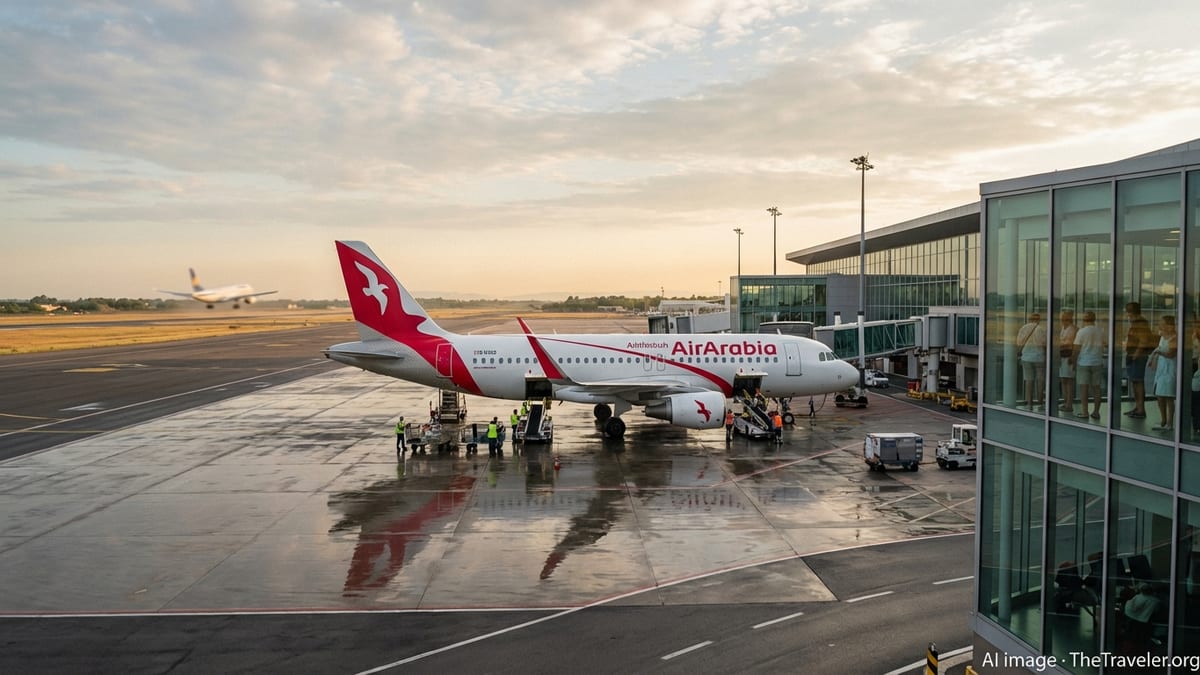
General Strike Set To Hit Multiple Transport Sectors
Publicly available strike bulletins and labor union notices show that a cluster of rank and file organizations has called a general strike for Friday 29 May 2026, with effects starting on the evening of Thursday 28 May. The coordinated walkout is expected to affect most major transport modes, including national rail, local public transport, airports, ports, coastal and island ferry links, and highway toll services.
Information compiled by specialist strike-tracking services indicates that the nationwide action is framed as a 24 hour protest, but with staggered start and end times depending on the sector. Rail services are expected to be affected from 21:00 on Thursday 28 May until 21:00 on Friday 29 May, while motorway toll staff are reported to be planning stoppages from around 22:00 on 28 May through 22:00 on 29 May. Other sectors are broadly aligned with the 24 hour window.
Several so called base or rank and file unions are prominently involved, including organizations active in rail, local transport and logistics. These groups have in recent years positioned themselves as an alternative to Italy’s larger confederations, calling frequent nationwide protest strikes over wages, job security and broader social and political grievances. The current action continues that pattern, concentrating disruption into a short but intense period across the country.
The Italian Ministry of Infrastructure and Transport regularly publishes strike calendars, and recent updates cited in travel risk briefings continue to list the 29 May action as confirmed. While last minute changes are always possible, there were no widely reported indications of a suspension or postponement as of late May.
Rail Network Faces 24 Hours of Disruption
The national rail network is expected to be one of the sectors hardest hit. Notices compiled from union communications and transport ministry bulletins show that the strike will apply to both long distance and regional services across the main national operator and private rail companies, with the key time frame running from 21:00 on 28 May to 21:00 on 29 May.
Italian rail strikes follow a regulated framework that obliges companies to maintain a limited number of so called guaranteed trains, particularly during morning and evening peak hours. Travel advisories point out that, although widespread cancellations and delays are likely, some essential connections should still operate, especially on core intercity and commuter routes. Exact lists are usually published by the operators in the days before the strike.
Past nationwide stoppages offer some guidance on what to expect. Previous 24 hour rail strikes have often produced a patchwork of disruption, with some trains running normally, others canceled outright, and occasional last minute reinstatements. Travelers with fixed itineraries on 29 May are advised in publicly available guidance to monitor their train status closely and, where possible, build flexibility into their plans.
Rail freight is also listed in strike trackers as part of the action, which could have knock-on effects for logistics chains. However, the most visible impact for visitors is likely to be on passenger services linking major cities and feeding key tourist destinations such as Florence, Venice and the coastal regions.
Airports and Flights Likely to See Delays
The aviation sector is also included in the nationwide protest, with union calls covering airport ground handling staff and some airline personnel. Travel risk analyses referencing the Italian strike calendar note that the air transport component of the strike is scheduled to last for the main 24 hour window on 29 May, although the exact timing can vary by airport and role.
Italy’s strike regulations require protection of certain flight corridors and time bands, typically in the early morning and early evening. Industry guidance highlights that some domestic and international flights will therefore continue to operate, but that passengers should be prepared for altered schedules, consolidation of services, last minute cancellations and longer queues at security and check in.
Recent history suggests that global and European carriers serving Italian airports often respond to such strikes by activating waiver policies, allowing passengers to rebook without penalty on nearby dates or reroute via alternative hubs. Monitoring airline apps and notifications in the days before 29 May is widely recommended in corporate travel briefings, as is allowing extra time at the airport in case of staffing shortfalls.
Air traffic control is not at the center of this particular strike call according to publicly visible notices, which reduces the likelihood of a complete shutdown of Italian airspace. Nonetheless, disruption at ground level can still reverberate across regional flight schedules, particularly at busy hubs such as Rome Fiumicino and Milan Malpensa.
Ferries, Ports and Motorway Tolls Also Affected
Unlike many previous actions that focused primarily on rail and urban transport, the late May strike is explicitly set to involve maritime and motorway workers. Specialist travel advisories referencing union calls report that ferry crews and port staff are expected to participate, affecting services between the mainland and major islands such as Sicily and Sardinia, as well as smaller island routes.
Some coverage aimed at travelers notes that operators may cancel or consolidate departures, particularly on 29 May itself. Coastal and island communities rely heavily on ferry links, and while essential supply and emergency services are generally maintained, passenger sailings for tourism and non-urgent travel are more vulnerable to disruption.
On Italy’s extensive motorway network, staff at toll booths have been called to join the strike for a 24 hour period overlapping with the general action. Motorway operators have warned in previous strike episodes that they may close some manual lanes or switch tollgates to automatic operation only, which can generate delays at peak times. Motoring organizations recommend having multiple payment options available and allowing extra journey time where possible.
Ports on key commercial and cruise routes may also experience slowdowns due to reduced staffing. While large cruise ships often have dedicated handling arrangements, embarkation and disembarkation procedures can still be affected if port-wide labor participation is high.
Advice for Travelers Planning Late May Itineraries
Travel risk consultants and tourism information services are advising visitors with trips scheduled around 28 and 29 May to review their itineraries in light of the expected strike. The main message in publicly available guidance is to avoid non essential long distance moves on the core strike day if flexibility exists, and to consider bringing forward or delaying rail and ferry journeys where possible.
For those who must travel, experts recommend building generous time buffers into connections, especially where ferries feed into flights or trains link to cruise departures. In previous general strikes, missed connections have been one of the most common pain points for visitors, rather than complete inability to travel within a given day.
Travelers are also encouraged to pay close attention to communication from individual operators. Italian law obliges transport companies to publish details of guaranteed services during strikes, and these lists often provide the most concrete picture of what will run. Checking again 24 to 48 hours before departure is widely advised, as last minute adjustments are common.
Finally, observers of Italy’s labor landscape note that transport strikes are a recurring feature of the calendar, particularly when rank and file unions seek visibility for broader political and social demands. While the 29 May action is expected to be disruptive, past experience suggests that critical mobility links will not disappear entirely, and that informed, flexible planning can significantly reduce the impact on both residents and international visitors.