


More news on this day
Travel across northern and western Europe faced a fresh bout of disruption on Tuesday as publicly available tracking data showed 1,291 flights delayed and 45 cancelled, with knock-on effects for passengers in Norway, France, the United Kingdom and several neighboring countries, and services operated by Eurowings, Finnair, British Airways and other carriers among those affected.
Get the latest news straight to your inbox!
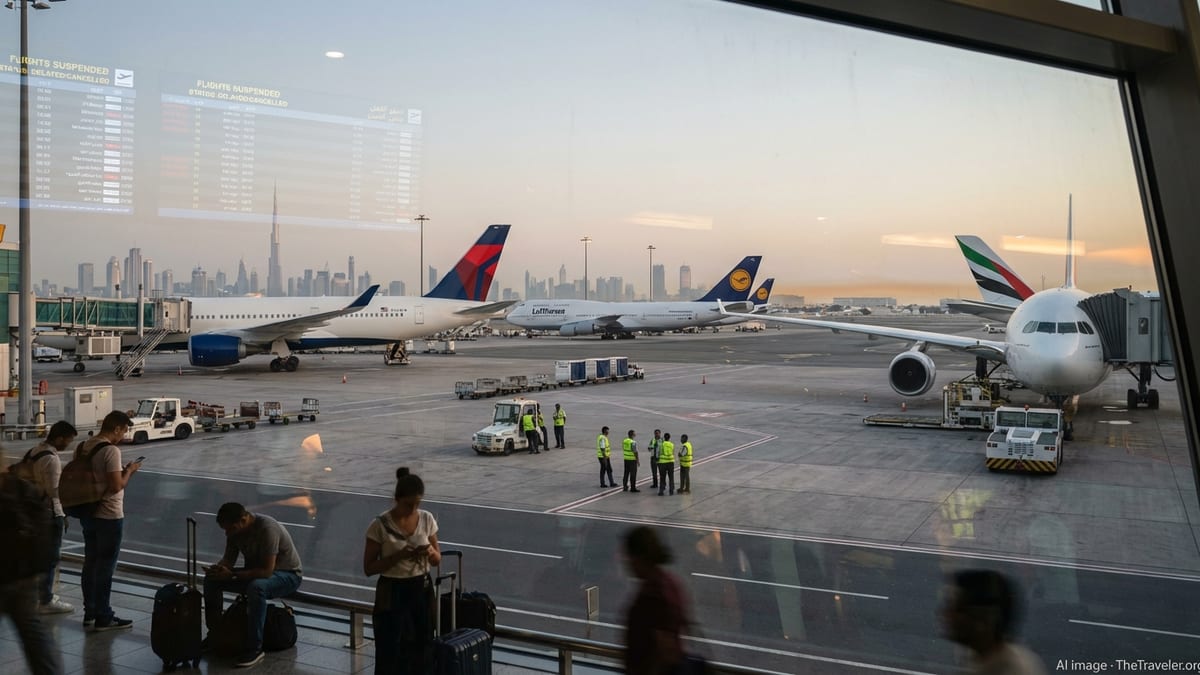
Delays Ripple Across Key European Hubs
Real-time dashboards from major flight-tracking platforms for late May indicate a concentrated wave of delays and cancellations across a belt of European airspace stretching from Scandinavia to the British Isles and western Europe. The latest figures point to 1,291 delayed flights and 45 cancellations over the course of the day, reflecting how even modest disruption can rapidly cascade through the region’s dense network of short-haul services.
Oslo Gardermoen and Paris Charles de Gaulle appeared among the most affected hubs, alongside airports in the United Kingdom including London Heathrow. These airports function as critical connectors for both intra-European and long-haul traffic, meaning disruption on a relatively small number of departures can quickly translate into missed connections and extended journey times for travelers heading onward to North America, Asia and the Middle East.
Published analysis from travel-industry outlets in recent weeks has already highlighted a pattern of rolling operational strain at European hubs, with weather-related constraints, high traffic volumes and periodic staffing shortages all contributing to elevated delay counts on peak days. The latest disruption fits into that broader picture, showing how resilience can be tested even outside traditional summer or holiday peaks.
According to coverage that compiles data from aviation analytics firms, days with more than one thousand delayed flights across Europe have become increasingly common in 2026, with recent tallies noting similar or higher figures at times for Spain, Greece, the Netherlands, the UK, France, Sweden and Norway. The current episode adds another difficult day for carriers already working to stabilize schedules ahead of the main summer travel season.
Eurowings, Finnair and British Airways Among Affected Carriers
Within Tuesday’s disruption, publicly visible flight boards and monitoring tools show services operated by Eurowings, Finnair and British Airways figuring prominently in delay reports, reflecting their sizable footprints on key routes linking Norway, France, the UK and neighboring countries. Other European and transatlantic carriers share in the disruption as aircraft and crews fall out of position.
Eurowings, which operates an extensive point-to-point network across Germany, Scandinavia and southern Europe, has already faced a pressured operating environment this spring amid strong demand and tight capacity. Its own status pages list a series of rescheduled and delayed intra-European departures, underscoring how quickly minor knock-on effects can accumulate across multiple rotations in a single day.
Finnair, a key connector between northern Europe and Asia as well as a codeshare partner on certain Oslo to London services, has also featured in recent disruption tallies published by travel news outlets. Individual passengers have reported lengthy delays and subsequent compensation discussions on routes passing through Helsinki, adding to the perception of a challenging season for punctuality across the Nordic region.
British Airways continues to be a bellwether for operational stress in and out of the UK. Earlier reporting in May highlighted the airline’s decision to pare back selected routes and adjust schedules, and real-time status boards at Heathrow and other UK airports on Tuesday again showed clusters of delayed departures and arrivals. While outright cancellations remain limited compared with the scale of the network, elongated ground times and aircraft rotations are feeding into the broader total of delayed flights.
Oslo, Paris and London Face Knock-on Operational Strain
Disruption at individual airports is being magnified by the complex web of connections that characterizes European air travel. At Oslo Gardermoen, even a relatively small number of delayed departures has potential to unsettle the balance of arrivals into London, Paris and other hubs later in the day, as aircraft arrive late, miss their scheduled slots and force further timetable adjustments.
Paris Charles de Gaulle is already under close scrutiny after recent reports flagged a forthcoming one-day strike by ground staff in June, raising questions about the airport’s capacity to absorb additional shocks. While Tuesday’s issues are linked primarily to schedule knock-ons rather than industrial action, they add to the sense that CDG faces a tight operating margin in the weeks ahead, particularly for carriers that rely heavily on short connection windows.
In London, Heathrow and other major airports have been adjusting to a season marked by route reshuffles, structural capacity constraints and robust demand for leisure travel. Previous analysis of European punctuality for March showed London and Paris already lagging some rival hubs on on-time performance, and the latest delay clusters indicate those challenges have not fully eased as the calendar edges closer to the peak summer travel rush.
Operational managers across these hubs frequently highlight how small disruptions, such as brief ground-handling delays or regional air-traffic control restrictions, can create substantial knock-on effects once aircraft fall out of sync with their planned rotations. The latest figures on delayed and cancelled flights illustrate that dynamic in real time, with late-running aircraft rippling through schedules from morning into late evening.
What the Numbers Signal for Summer Travel
While Tuesday’s total of 1,291 delayed and 45 cancelled flights represents only a fraction of overall European daily traffic, the scale and geographic spread of the disruption are significant for travelers planning summer trips. Recent reports from aviation data firms and travel-industry commentators point to a broader pattern in which even non-peak days can see substantial punctuality issues when weather, staffing and airspace constraints coincide.
In early May, industry coverage noted more than 13,000 flights trimmed from European schedules for the month, as airlines from British Airways to Lufthansa and Air France reworked timetables to cope with high fuel costs, aircraft availability and network rebalancing. Separate reporting on a previous weekend in late May pointed to more than 1,600 delayed and 50-plus cancelled flights across multiple European countries, underlining how episodes of disruption have been recurring rather than isolated.
Experts tracking the sector suggest that travelers should expect a summer shaped by generally strong demand layered over structurally tight capacity, leaving little room for error when weather or infrastructure issues arise. In this context, a day with more than a thousand delays and dozens of cancellations across Norway, France, the UK and neighboring states is seen less as an outlier and more as a warning signal for what could happen when traffic peaks in July and August.
For airports and airlines, the latest figures add pressure to ongoing efforts to bolster resilience. Measures range from preemptive schedule thinning and fleet adjustments to investments in ground-handling and air-traffic management systems. Whether those changes will be sufficient to prevent a repeat of the most severe disruption days witnessed in past summers remains an open question.
Guidance for Affected and Future Passengers
With disruption spread across multiple carriers and countries, Tuesday’s events again highlight the importance of proactive planning for anyone flying in or through Europe in the coming weeks. Travel-focused publications and consumer advice columns consistently encourage passengers to monitor flight status closely via airline apps and independent trackers on the day of departure, as schedule changes can occur with little warning.
Analysts frequently recommend building in additional buffer time for connections, especially at major hubs such as Oslo, Paris and London where security queues, gate changes and bussing to remote stands can quickly eat into short layovers. Where possible, choosing earlier flights in the day can also reduce exposure to knock-on delays that tend to accumulate by late afternoon and evening.
Passengers travelling within or from the European Union and the UK also benefit from established legal frameworks covering compensation and assistance in cases of significant delay or cancellation. Travel-law specialists and consumer organizations continue to underline the value of keeping detailed records of disruption, including boarding passes, notifications from airlines and receipts for any extra expenses incurred, in case a claim is later pursued.
For now, the latest figures from flight-tracking services serve as a timely reminder that Europe’s air travel recovery remains uneven. Even as overall capacity rises and demand stays strong, the system can still be thrown off balance by a combination of operational pressures, leaving travelers dependent on swift communication and flexible contingency plans when schedules unravel.