


More news on this day
Jet2 is scaling back part of its winter 2026‑27 flying programme despite record passenger numbers, removing 240,000 seats from sale after higher jet fuel and environmental‑compliance costs squeezed first‑half profits.
Get the latest news straight to your inbox!
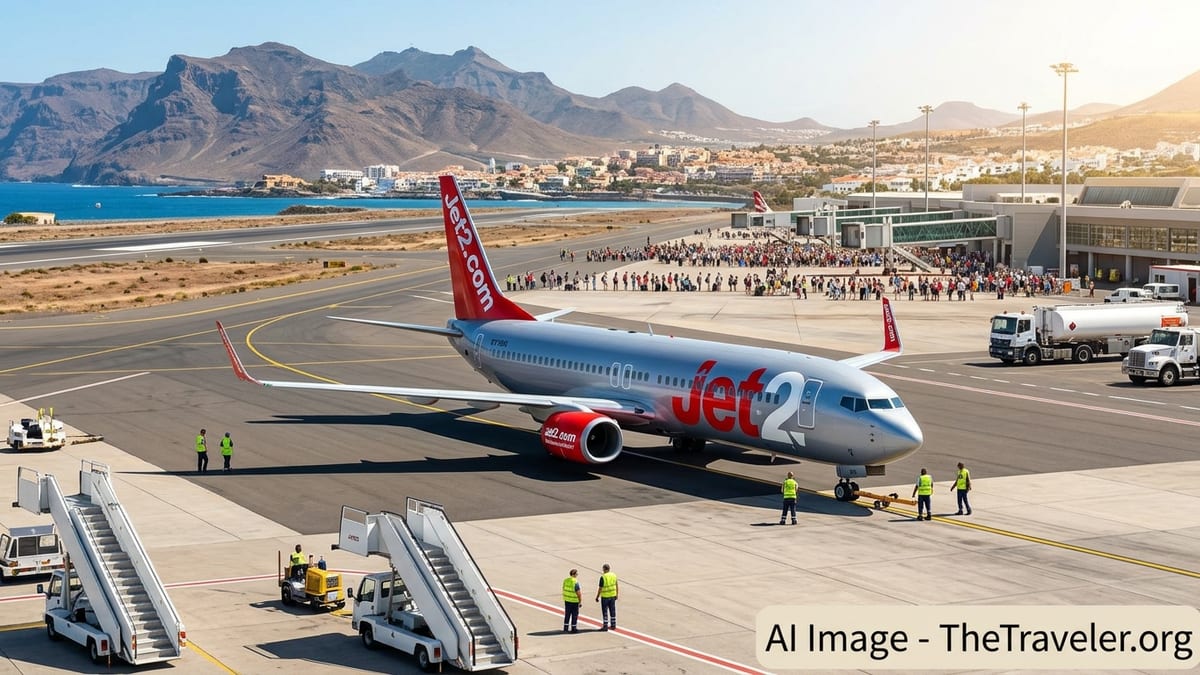
Record passengers, lower margins in latest half-year
The adjustment to Jet2’s winter schedule comes alongside interim results for the six months to 30 September 2026, published on 18 November, which show how rising costs are reshaping the airline’s plans. Group operating profit for the half year fell 18% to £588.3 million compared with the same period a year earlier, even as revenue increased 5% to £5.63 billion.
Total seat capacity for the half climbed 7% year on year to 17.16 million seats, with flown passengers up 9% to 15.40 million, according to the company’s half‑year report. That lifted load factor by 1.5 percentage points to 89.7%, underlining that demand for Jet2’s flights and package holidays remained strong through the peak summer period.
What has changed is profitability per seat. The filings show that flight‑only ticket yields fell 14% to an average £104.82 per passenger sector, while the average package holiday price rose only 1% to £945. Jet2’s operating margin narrowed as lower airfares and higher costs offset the benefit of carrying more customers.
Fuel, carbon and SAF costs drive a capacity rethink
Jet2’s decision to trim winter capacity is explicitly linked to cost pressures rather than a collapse in bookings. In its interim report and accompanying regulatory statement, the company says it has “acted decisively” to manage its winter 2026‑27 programme in response to elevated forward prices for unhedged jet fuel.
Fuel remains one of Jet2’s largest single expenses, with fuel costs of around £489.5 million in the half year, only slightly higher in cash terms than a year earlier but amplified by the impact of unhedged volumes at today’s higher prices. The accounts also show carbon‑compliance costs rising to £88.4 million, up sharply from £61.7 million, reflecting tighter emissions regimes and higher allowance prices.
Alongside fuel and carbon, Jet2 highlights the growing cost of sustainable aviation fuel, or SAF, where mandated blending levels and limited supply are pushing up unit costs. Together with broader inflation in areas such as airport and handling charges, these factors mean that extra winter capacity now carries thinner margins, even when seats can be filled.
Winter 2026‑27: fewer seats than planned, still more than last year
Against that backdrop, Jet2 has reduced its winter 2026‑27 on‑sale seat capacity by 240,000 seats since early September. The airline describes this as a disciplined correction rather than a wholesale pullback, and it has not so far detailed which routes or bases have been adjusted.
The cut represents a move from an earlier plan of around 5.9 million winter seats, outlined in an AGM trading update in September, to a revised programme of about 5.7 million seats. That updated figure is still 3.8% higher than the 5.5 million seats Jet2 flew last winter, according to the interim results and investor statements, meaning the airline is continuing to grow year on year even after the reduction.
Capacity excluding London Gatwick is now 3.6% lower than last winter, while Gatwick itself remains a key growth focus and continues to perform ahead of initial expectations. Jet2 has not given a route‑by‑route breakdown, but its comments suggest that capacity has been eased back most at more established bases where it can flex aircraft deployment without exiting markets entirely.
What the change means for leisure travellers
For travellers, the immediate impact is likely to be fewer seats than previously advertised on certain sun and ski routes from the UK this winter, rather than widespread cancellations. The overall programme remains larger than last year’s, and Jet2 continues to stress that leisure demand is robust, with record passenger volumes through summer and resilient package‑holiday pricing.
Because the driver is cost rather than demand, the reduced supply could contribute to firmer fares on popular departures, especially during school holidays and peak ski weeks. Jet2’s filings indicate that it has already been discounting flight‑only tickets to fill aircraft, which has weighed on profits; the airline is now signalling that it will prioritise protecting margins over adding further marginal capacity at high fuel and carbon costs.
Competition on core UK to Mediterranean leisure routes remains strong, with other carriers also managing capacity and pricing in response to higher fuel. Travellers flexible on dates, departure airports or destination may still find competitive pricing, particularly outside peak periods, but late‑booking bargains on the busiest routes could be harder to secure if supply remains tighter than originally planned.
What to watch next in Jet2’s schedule
Jet2 says its fuel and foreign‑exchange hedging provides “some protection” for the rest of the financial year, with 91% of its winter fuel requirement hedged at an average price of 880 US dollars per tonne, significantly below current spot prices. However, a portion of its fuel remains unhedged, and the company has left the door open to further schedule adjustments if costs or booking patterns change.
The airline has not specified which exact routes or frequencies have been reduced this winter, and has not indicated any cuts to its announced Summer 2027 expansion, which currently includes around 21 million seats on sale. A further trading update is expected in early 2027, when Jet2 and its competitors will have more visibility on how winter bookings, fuel prices and regulatory costs are evolving.
Travellers with existing Jet2 bookings should see their flights and holidays operate largely as planned, as the cuts have been made at the planning stage by removing seats from sale. Those still arranging winter trips may want to check availability and prices early on key leisure routes, monitor any schedule changes communicated by the airline and compare options across nearby airports where Jet2 and rival carriers continue to compete aggressively for UK holiday traffic.