


More news on this day
Persistent delays at Kenya’s key airports are disrupting the flow of fresh flowers, fruits and vegetables to overseas markets, raising concerns over post‑harvest losses, contract penalties and wider pressure on the country’s foreign‑exchange earnings.
Get the latest news straight to your inbox!
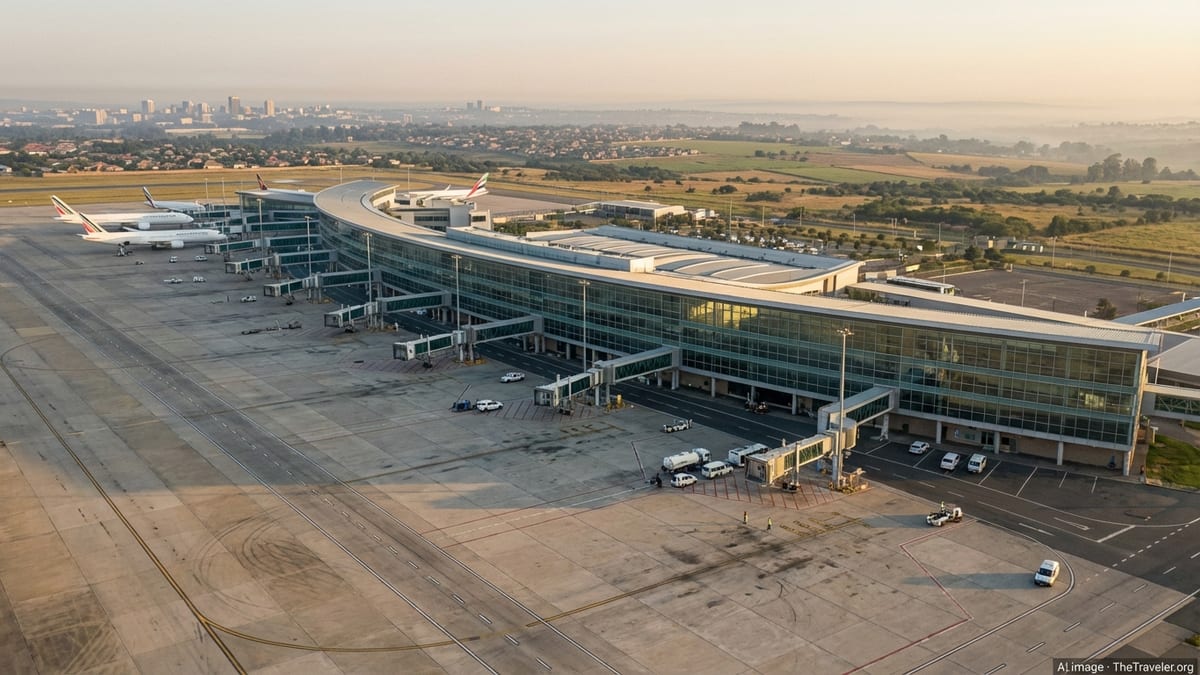
Backlogs at JKIA squeeze a critical export lifeline
Jomo Kenyatta International Airport in Nairobi serves as the primary gateway for Kenya’s horticultural exports, handling the bulk of cut flowers and high‑value fresh produce destined for Europe and the Middle East. Recent cargo backlogs and flight disruptions have highlighted how dependent the sector remains on reliable air links to keep perishable goods moving.
Business press coverage in mid‑2026 reported that Kenyan flower exporters lost an estimated 724.4 million shillings over a two‑month period, with the damage linked to cargo delays, spoilage and weaker prices when consignments arrived late or in sub‑optimal condition. Earlier surveys by the Central Bank of Kenya also flagged limited freight capacity and higher logistics costs as continuing headwinds for agriculture, despite strong demand in core markets.([businessdailyafrica.com](https://www.businessdailyafrica.com/bd/economy/flower-exporters-lose-sh724m-amid-piling-woes-5489388?utm_source=openai))
Government statistical data for 2024 show that cut flower export volumes fell by nearly 12 percent compared with the previous year, and analysts attributed part of that decline to cargo disruptions at JKIA compounded by wider geopolitical tensions. Prolonged delays at the airport risk undermining Kenya’s reputation as a dependable supplier of time‑sensitive products, particularly during peak demand periods such as Valentine’s Day and major European holidays.([africacheck.org](https://africacheck.org/sites/default/files/media/documents/2025-05/2025-Economic-Survey.pdf?utm_source=openai))
Travel disruptions have not been limited to freight. A recent aviation workers’ strike in Nairobi temporarily paralyzed operations at the main international airport, stranding passengers and prompting widespread flight delays and cancellations. While passenger services resumed after the strike ended, the incident underscored how quickly industrial action at airports can ripple through cargo schedules and leave sensitive produce waiting on the tarmac.([apnews.com](https://apnews.com/article/b0d9ff26892783def5470b06f57b8d67?utm_source=openai))
Fresh produce exporters count the cost of delays
Horticulture consistently ranks among Kenya’s top foreign‑exchange earners, with exports of cut flowers, fruits and vegetables collectively valued in the hundreds of billions of shillings each year. Yet publicly available trade data show that earnings have come under pressure, in part because transport bottlenecks are making it harder to move produce swiftly to distant markets.
According to official and industry figures covering 2023 and 2024, horticultural export receipts have slipped from earlier highs as growers confront a combination of higher freight rates, currency shifts and weaker demand in some European markets. Delays at airports magnify these pressures by eroding shelf life and forcing exporters either to discount compromised consignments or to discard them entirely.([newsroom.maudhui.co.ke](https://newsroom.maudhui.co.ke/news/fresh-produce-exports-struggle-under-strong-shilling-and-weak-demand-40843?utm_source=openai))
Reports from Kenya’s flower and fresh produce trade bodies indicate that even short cargo delays can translate into substantial financial losses. When shipments miss connecting flights or face 24 to 48 hour hold‑ups, entire pallets of cut flowers or tender vegetables may arrive with reduced vase life or visible quality defects, leading overseas buyers to reject part of the load or renegotiate prices. Recent trade magazines have documented cases of cargo flight delays of up to two days at JKIA, with exporters warning that such disruptions are unsustainable during peak harvest periods.([floriculture.co.ke](https://floriculture.co.ke/wp-content/uploads/2026/05/MARCH-APRIL-2026-ss.pdf?utm_source=openai))
The knock‑on effects extend well beyond farm gates. Logistics providers, freight forwarders and smallholder cooperatives depend on predictable airport operations to coordinate harvesting, packing and delivery schedules. When congestion builds at cargo terminals, refrigerated trucks can spend longer idling outside the airport, adding fuel costs and increasing the risk that cold chains are interrupted before produce even leaves the country.
Global shipping shocks amplify local airport bottlenecks
Airport delays in Kenya are unfolding against a backdrop of wider disruptions across global trade routes. Conflicts affecting the Red Sea corridor have diverted many vessels around the Cape of Good Hope, lengthening transit times and driving up shipping costs for cargo headed to Europe and beyond. That shift has placed even more emphasis on airfreight for high‑value perishables, intensifying pressure on limited cargo capacity at JKIA.
Regional business outlets report that fresh produce exporters have seen transit times to European and Turkish markets effectively double in some cases because of Red Sea tensions, with ships rerouted along longer paths. For cargo that still moves by sea, these extended journeys demand more robust cold‑chain infrastructure. For produce that must move quickly, exporters have increasingly relied on airfreight, where any delay at the airport can erase the advantages of faster delivery.([capitalfm.co.ke](https://www.capitalfm.co.ke/business/2024/09/kenyan-fresh-produce-exporters-urge-end-to-red-sea-tensions-amid-rising-costs/?utm_source=openai))
Trade publications and logistics surveys further indicate that some international airlines have shifted freighter capacity away from Nairobi toward routes offering higher returns, contributing to backlogs during Kenya’s high export seasons. Combined with occasional flight cancellations and schedule changes, these adjustments have left horticultural shippers competing for limited cargo space, particularly during spikes in demand from competing industries.([theeastafrican.co.ke](https://www.theeastafrican.co.ke/tea/business-tech/prolonged-jkia-freighter-crisis-to-hurt-the-kenyan-economy-4857128?utm_source=openai))
At the same time, assessments of export barriers for fruits and vegetables in East Africa highlight systemic issues such as congestion at border points, digital customs systems that periodically go offline and a shortage of specialized cold‑chain assets. These structural constraints feed into the delays experienced at airports, where documentation bottlenecks or last‑minute compliance checks can prevent cargo from being loaded on time.([trademarkafrica.com](https://trademarkafrica.com/wp-content/uploads/2025/09/Assessment-of-Existing-Export-Trade-Barriers-Facing-Kenyan-Fresh-Vegetables-March-2024-compressed.pdf?utm_source=openai))
Efforts to strengthen cold chains and diversify gateways
Kenya’s authorities and industry stakeholders have been exploring ways to reduce the exposure of fresh produce exporters to airport delays. Policy documents and official announcements reference plans to expand runways at secondary airports, enhance cold storage at inland depots and streamline customs procedures so that more export documentation can be processed at packhouses before cargo reaches the terminal.([mygov.go.ke](https://mygov.go.ke/sites/default/files/2024-09/MyGov%2012TH%20SEPTEMBER%2C%202023%20.pdf?utm_source=openai))
In parallel, Kenya has pursued partnerships aimed at shifting some horticultural exports from air to sea over the medium term. A memorandum of understanding with the Netherlands focuses on developing a dedicated cool‑logistics corridor, designed to support temperature‑controlled sea shipments while maintaining quality standards demanded by European retailers. If fully implemented, this initiative could ease pressure on airport cargo facilities by providing an alternative route for certain types of fresh produce.([transport.go.ke](https://www.transport.go.ke/kenya-poised-triple-horticultural-exports-dutch-mou-cool-logistics-corridor?utm_source=openai))
Domestic agencies have also outlined plans to expand cold‑chain capacity linked to the port of Mombasa and emerging export hubs, emphasizing the role of refrigerated transport and digital tracking systems in cutting dwell times. However, trade commentators note that such infrastructure projects will take time to materialize, leaving exporters heavily reliant on JKIA and other airports in the near term. Until significant new capacity comes onstream, operational disruptions, strikes or security incidents at these hubs are likely to continue posing a direct risk to Kenya’s fresh produce trade.([the-star.co.ke](https://www.the-star.co.ke/news/2024-06-20-kpa-to-enhance-export-of-fresh-produce-to-new-markets-says-ruto?utm_source=openai))
For now, sector analysts caution that maintaining Kenya’s competitive edge will depend on reducing avoidable airport delays, investing in resilient logistics networks and ensuring that contingency plans are in place when unforeseen events slow traffic. With global buyers increasingly sensitive to reliability as well as price, even modest improvements in on‑time performance at key airports could have outsized benefits for farmers, exporters and the wider economy.
Business Daily Africa: Flower exporters lose Sh724m amid piling woes
The EastAfrican: Prolonged JKIA freighter crisis to hurt the Kenyan economy
Business Daily Africa: Horticulture exports down on Red Sea hitches
Ministry of Roads and Transport: Cool‑logistics corridor MoU
TradeMark Africa: Assessment of export barriers for fresh vegetables