


More news on this day
Japan’s railway operators are giving autumn travel an extra push this year with the return of a nationwide Autumn All-You-Can-Ride Pass, offering three consecutive days of unlimited travel on JR local trains and opening up lesser known regions to visitors chasing foliage, hot springs and rural scenery.
Get the latest news straight to your inbox!
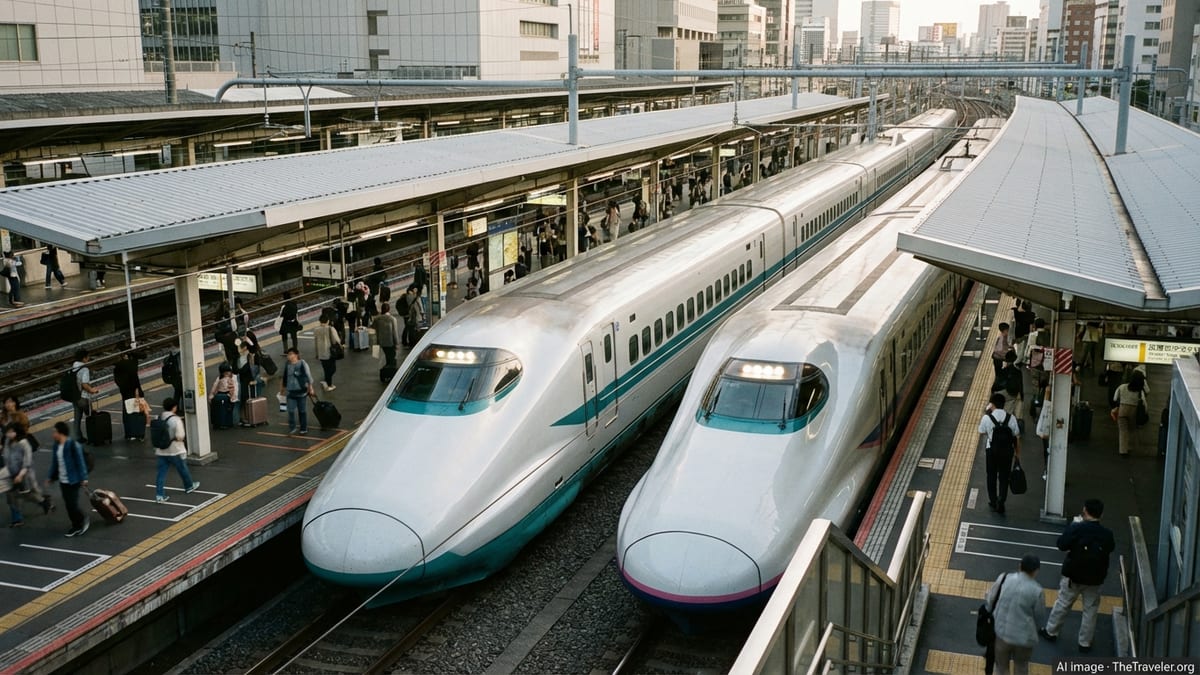
Seasonal Pass Timed to Japan’s Railway Day
According to recent announcements from JR Group companies and domestic travel media, the Autumn All-You-Can-Ride Pass, known in Japanese as the “Aki no Norihodai Pass,” will again be issued in 2026 to coincide with Railway Day on October 14. Reports indicate that the pass will be valid for three consecutive days during a limited period in October, broadly mirroring previous editions that ran around the mid October holiday window.
Coverage descriptions in Japanese language travel reports state that the ticket allows unlimited rides on JR’s ordinary and rapid local trains across the country, excluding most limited express and shinkansen services. A separate optional ticket for the Hokkaido Shinkansen section continues to be sold for travelers heading north, reflecting previous years’ structure in which high speed access to and from Hokkaido required an add on.
Pricing reported for the 2026 edition matches the pattern of earlier years, with the adult fare designed so that travelers who log roughly two medium distance local train journeys per day already come out ahead compared with buying individual tickets. The JR Group frames the product as a way to celebrate the role of rail in everyday life while also stimulating travel demand to areas beyond the major bullet train corridors.
Designed for Slow Travel and Local Lines
Publicly available explanations of the Autumn All-You-Can-Ride Pass emphasize that it is aimed at travelers who are willing to favor local and rapid trains over high speed services. Unlike the nationwide Japan Rail Pass, which targets long distance itineraries relying heavily on shinkansen and limited express trains, the autumn product is essentially a flat fare ticket for ordinary JR lines.
The structure rewards slow travel. Schedules on local lines through rural Tohoku, Hokuriku, Chugoku and Kyushu typically involve steady, scenic runs of one to three hours between regional hubs, making them well suited to three day rail wandering. Travel blogs focusing on the pass highlight sample itineraries that link together compact cities, onsen towns and coastal communities without ever stepping on a bullet train, often combining two or three hops per day and overnight stays in small inns.
The pass is not intended for every trip: travelers seeking to cover long distances quickly or visit multiple far flung regions in a short stay still tend to lean toward regional shinkansen passes or point to point tickets. However, for visitors and residents who have the flexibility to travel at a gentler pace, the local train focus can translate into lower costs and a more intimate view of everyday Japan.
Foliage Season Access to Under the Radar Regions
The 2026 edition arrives as rail focused travel guides increasingly spotlight lesser known bases for autumn foliage that can be reached entirely by train and bus. Recent coverage of “car free” leaf viewing trips points to areas such as Jozankei near Sapporo, Chuzenji and Oku Nikko in Tochigi Prefecture, the traditional districts of Kanazawa, lakeside resorts around Hakone, Miyajima near Hiroshima and hot spring town Yufuin in Oita as examples of destinations where visitors can stay overnight and explore on foot or via short bus rides from nearby stations.
Many of these bases sit along or within easy reach of JR local lines that are eligible under the Autumn All-You-Can-Ride Pass. In northern Japan, rural stretches through Fukushima and Yamagata provide access to onsen villages and river gorges, while in Hokuriku and Kansai, feeder lines branching from hubs like Kanazawa, Fukui and Himeji connect to coastal towns and castle districts that see far fewer international visitors than Kyoto or Osaka.
In western Japan, JR’s Sanin corridor along the Sea of Japan coast and the lines running inland toward Tottori and Shimane are especially suited to the three day validity. Travelers can string together a route that links Matsue’s lakeside scenery, Izumo’s shrine district and lesser known onsen areas such as Yunotsu, all while timing visits to catch peak autumn colors that typically arrive from late October into November depending on latitude and elevation.
Positioning Among a Crowded Field of Rail Passes
The Autumn All-You-Can-Ride Pass joins a dense ecosystem of regional and national rail products that has only grown more complex in recent years. Broad overviews of Japan rail passes list dozens of options ranging from the flagship nationwide Japan Rail Pass to targeted products such as the JR Tokyo Wide Pass, the All Shikoku Rail Pass and multiple JR West passes covering Kansai, Sanin and Sanyo regions.
In 2026, several of these passes are undergoing changes. Guidance from JR East earlier this year described new and revised offerings for inbound visitors coming into effect from March, expanding the areas covered by certain regional products. Separate coverage of the All Shikoku Rail Pass notes that from October 1, 2026, ferry and bus coverage for Shodoshima will be removed and longer duration variants discontinued, underscoring how operators are fine tuning benefits and pricing as demand patterns evolve.
The nationwide Japan Rail Pass itself has seen substantial price increases in recent years, with widely shared commentary suggesting that regional passes and pay as you go tickets now provide better value for many itineraries. In that context, a short duration, low cost product timed to a specific season offers rail companies a way to attract both budget conscious visitors and domestic travelers who might otherwise default to private cars or intercity buses for autumn trips.
Practical Tips for Using the New Autumn Pass
Rail enthusiasts and trip planning resources that track the Autumn All-You-Can-Ride Pass suggest that travelers will get the most value by planning routes that string together two or more longer legs per day, preferably on lines with attractive scenery or access to hot springs and walking trails. Because the pass is only valid on local and rapid services, itineraries that avoid frequent backtracking and minimize long waits for connections tend to feel the most rewarding.
Buying the pass typically involves visiting JR ticket counters or machines during the on sale window ahead of the October validity period. In previous years, the product has been available to both residents and visitors, unlike many inbound specific regional passes, making it appealing for international travelers who are spending an extended period in Japan and can match their schedule to the autumn window.
Experienced users recommend pairing the pass with flexible, rail accessible accommodation in mid sized cities rather than attempting to overnight in very small towns with limited lodging and dining. Staying near stations in regional centers allows travelers to adjust day trips according to weather and foliage forecasts, while still enjoying easy access to quieter valleys, lakes and coastal viewpoints that showcase Japan’s autumn landscapes without the crowds associated with the most famous spots.