


More news on this day
Prolonged delays at Nairobi’s Jomo Kenyatta International Airport are disrupting the flow of Kenyan flowers, fruits and vegetables to overseas markets, heightening concerns over spoilage, lost income and the country’s export reputation.
Get the latest news straight to your inbox!
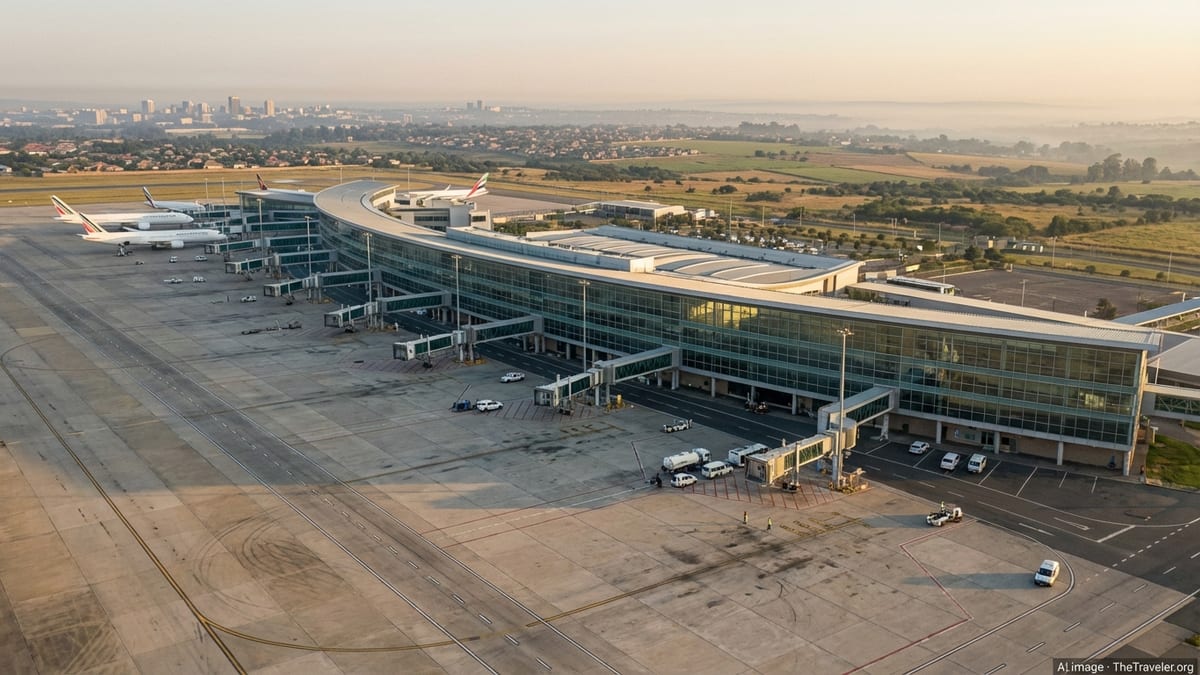
Fresh cargo bottlenecks hit a critical export hub
Recent disruptions at Jomo Kenyatta International Airport (JKIA) have intensified long-standing concerns over the reliability of Kenya’s main air gateway for perishables. Reports indicate that cargo backlogs and flight delays entering a second day on Monday, August 31, 2026, slowed the movement of fresh produce at the airport, where tight departure windows are crucial to preserving product quality and meeting buyer schedules.
JKIA is the primary exit point for Kenya’s horticultural exports, including cut flowers, fruits, vegetables and herbs that supply supermarkets and auction houses in Europe, the Middle East and beyond. Studies and historical assessments of Nairobi’s role in African airfreight show that the airport handles a dominant share of regional horticultural cargo, with delays at the hub quickly translating into reduced product value once shipments arrive at destination.
The latest congestion follows a period of intermittent operational strain, including reduced air traffic control capacity and industrial actions that have periodically slowed departures. While passenger disruptions tend to attract immediate attention, stakeholders in the horticulture and fresh produce value chains warn that even relatively short hold-ups in the cargo area can have outsized consequences for chilled, time-sensitive consignments.
Publicly available information from Kenya’s export and aviation agencies highlights the strategic importance of keeping JKIA’s cargo corridor fluid. Aviation is estimated to contribute several percentage points to national GDP, with horticulture remaining one of the country’s top foreign-exchange earners, reliant on predictable airport throughput and efficient ground handling.
Flower sector counts mounting losses from delays
Kenya’s flower industry, which depends almost entirely on air freight, has been among the first to quantify the financial impact of recent and ongoing disruptions. Business press coverage in June 2026 reported that flower exporters lost an estimated 724.4 million shillings over a two‑month period, attributing the damage to cargo delays, crop spoilage and weaker prices in destination markets as deliveries arrived late or in compromised condition.
Separate reporting in May 2026 highlighted a single‑day loss of about 200 million shillings for the sector after a nationwide transport strike restricted the movement of flowers from growing regions to JKIA. Industry analyses noted that between 100 and 200 tonnes of stems scheduled for export were delayed or affected, reinforcing how easily bottlenecks on the road and at the airport can cascade into missed flights and downgraded consignments.
These short-term shocks have come on top of external pressures, including higher freight costs tied to conflict-related disruptions on key Middle East and European routes. Trade and financial media estimate that Kenya’s flower exporters have faced weekly losses worth millions of dollars as cargo capacity tightened and route structures shifted, pushing up per‑kilo freight rates and forcing some farms to trim production or defer investment.
Combined with the latest airport delays, the sector’s challenge is no longer limited to price volatility. Repeated interruptions raise concerns about reliability in the eyes of overseas buyers, who can switch to alternative suppliers if they see rising risk in sourcing from Kenya. Market analysts warn that recovery of lost shelf space can take multiple seasons, even if operational conditions at the airport eventually improve.
Fresh fruits and vegetables face quality and market risks
While cut flowers often dominate export headlines, Kenya’s shipments of fresh fruits, vegetables and herbs are also vulnerable to airport slowdowns. Government data and recent briefings from horticulture regulators show that the country exported more than 450,000 tonnes of horticultural products in 2025, with fruits and vegetables accounting for a substantial portion of both volume and value.
For these commodities, temperature control and rapid transfer through the airport are critical. Technical papers and sector reviews note that delays during airport handling, even under otherwise controlled conditions, can reduce shelf life and visual appeal, leading to higher rejection rates or price discounts in the European Union and United Kingdom. Trade agencies have also flagged a rise in interceptions of Kenyan produce in those markets, citing both phytosanitary issues and documentation gaps, and warning that extended checks and increased scrutiny may compound physical delays at exit points such as JKIA.
Fresh produce exporters have previously raised the alarm over limited cargo capacity out of Nairobi and slow handling processes. Publicly accessible industry briefings describe how constrained space for perishables and congested export corridors can cost exporters tens of millions of shillings per day, as consignments miss connecting flights or sit for longer than planned awaiting loading.
In response, more exporters of certain crops, particularly avocados, have experimented with sea freight using refrigerated containers. However, these services are not yet a full substitute for air freight for many high‑value or highly perishable items, meaning that reliable airport operations remain central to maintaining Kenya’s position in premium fresh produce markets.
Capacity constraints and strikes expose structural weaknesses
The latest delays at JKIA come after a series of warnings that Kenya’s air cargo infrastructure and resourcing are under strain. Long-term assessments of the airport’s role in regional horticulture trade have pointed to the risks created by limited flight frequencies and narrow cargo capacity bands. With a heavy concentration of perishables funnelled through a single hub, any disruption, from equipment breakdowns to staffing shortages, can sharply curtail export flows.
Recent events have illustrated these structural vulnerabilities. Coverage of a workers’ strike at Nairobi’s main international airport in late August 2026 described how a go‑slow by aviation staff quickly slowed or halted flight operations, leading to cancellations for passenger services and extended delays for both belly‑hold and dedicated cargo flights. Although the action was called off after two days, the backlog in processing people and goods underscored how little slack exists in the system.
At the same time, operators continue to grapple with aircraft and route limitations. Corporate communications from Kenya Airways describe how global supply chain challenges and maintenance constraints have restricted fleet utilisation, contributing to broader capacity shortages even as demand for both passenger travel and cargo grows. Investor presentations and airline updates discuss efforts to add cargo capability, but also indicate that bridging the gap between demand and available lift is a multi‑year task.
Sector analyses by international organisations show that Kenya’s wider aviation ecosystem contributes significantly to jobs and GDP, but also highlight the need for investment in infrastructure, inspection facilities and digital systems to keep cargo flows resilient. Without these upgrades, sporadic strikes, regional security issues or weather events can more easily tip operations into delay, with disproportionate consequences for perishable exports.
Industry and policy responses seek to stabilise exports
In parallel with short-term responses to congestion, a range of industry and policy initiatives is under way to strengthen the resilience of Kenya’s fresh produce export chain. Trade promotion agencies and horticultural regulators report ongoing work to streamline documentation through integrated export-import certification systems and electronic phytosanitary platforms, which can reduce paperwork hold-ups at JKIA and at overseas border posts.
On the logistics side, Kenya Airways Cargo announced in May 2026 that it had entered a ground handling partnership with a major global express operator at JKIA. According to the airline’s public statements, the agreement is intended to reinforce Nairobi’s position as a regional cargo hub and improve handling of time-sensitive shipments, including perishables and pharmaceuticals, by leveraging shared infrastructure and processes.
Meanwhile, exporters’ associations and logistics providers continue to advocate for expanded cargo capacity, better cold-chain management at the airport and more predictable scheduling of flights serving key horticulture routes. Sector-focused publications argue that reducing on‑tarmac dwell times, digitising cargo handling procedures and diversifying lift options could help cushion exporters against future disruptions similar to those experienced in 2026.
For now, however, the latest delays at JKIA underline how exposed Kenya’s fresh produce sector remains to operational stresses at a single airport. With flowers, fruits and vegetables depending heavily on timely flights to retain their value, resolving bottlenecks and reinforcing the resilience of Nairobi’s cargo operations will remain a central concern for producers, exporters and policymakers alike.
Business Daily Africa: Flower exporters lose Sh724m amid piling woes
The Standard: Flower industry loses Sh200m as transport strike hits JKIA cargo
Kenya Airways Cargo: Ground handling partnership with FedEx
Kenya News Agency: Kenyan flower industry eyes new markets amid rising export costs