


More news on this day
Kenya has formally stepped into Africa’s fast‑growing digital nomad arena, introducing a dedicated remote work permit that places Nairobi and the country’s beach and safari hubs alongside leading African destinations competing for long‑stay, high‑spending visitors in 2026.
Get the latest news straight to your inbox!
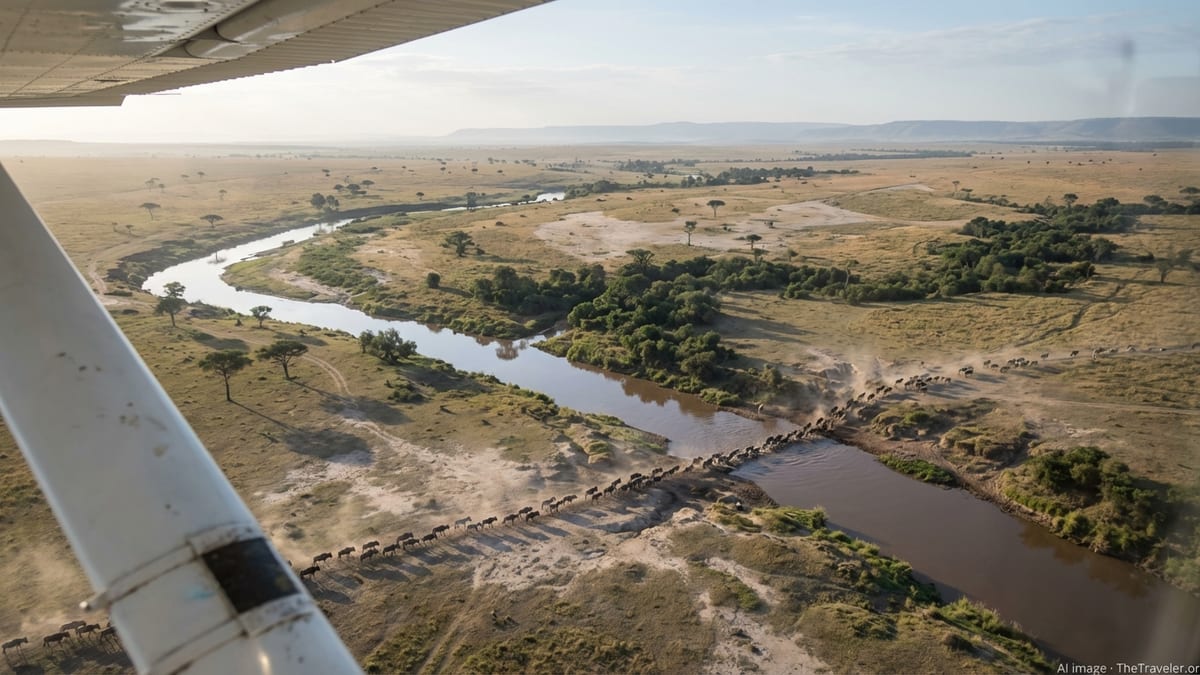
Kenya’s Class N Permit Signals A New Era For Remote Workers
Publicly available government and advisory documents show that Kenya’s Class N Digital Nomad Permit, brought into the country’s immigration framework through recent finance legislation and refined through 2025, is now being marketed to foreign remote workers seeking to base themselves in the country while employed by companies abroad. The permit is commonly described in specialist immigration and relocation guides as Kenya’s digital nomad visa and is framed as part of a broader strategy to capture mobile knowledge workers.
Guides summarizing the rules indicate that the permit is aimed at individuals whose income is generated outside Kenya and who can demonstrate stable remote work arrangements, health insurance and a clean record. Several advisory notes put the initial validity at around one year, with the possibility of renewal, positioning the permit between short tourist stays and traditional long‑term business residency routes.
Travel and relocation portals report that Nairobi is at the center of this push, combining a growing tech ecosystem with upgraded coworking spaces and expanding fiber coverage. At the same time, Kenya’s transition to an electronic travel authorization system for many nationalities is described as reducing friction for those entering the country to activate longer‑term stays under the new remote work permit.
Industry commentary suggests that by moving from informal tolerance of remote work on tourist visas to a purpose‑built category, Kenya is signaling that digital nomads are now a targeted segment rather than a side effect of broader tourism activity.
A Continent-Wide Wave Of Remote Work Visas
Kenya’s move aligns it with a growing roster of African destinations that have either launched digital nomad visas or formalized flexible permits for remote workers. Comparative regional overviews released in early 2026 list Mauritius, Cape Verde, Rwanda, South Africa, Kenya, Namibia and Seychelles among the countries with dedicated or clearly labeled digital nomad or remote work programmes, while Morocco and Egypt are noted for pragmatic approaches that allow remote work under existing visa categories.
Mauritius continues to be highlighted for its premium visa, which allows qualifying remote workers to stay for extended periods, often up to a year or more, provided they meet income thresholds and maintain foreign employment. Reports describe a well‑developed financial and IT backbone, which has helped the island position itself as a high‑end workcation base for European and Asian professionals.
Cape Verde is profiled in travel and mobility reports for its remote work programme tailored primarily to European and North American nationals, combining multi‑month stays with simplified entry rules. Namibia’s digital nomad visa, by contrast, is frequently framed around access to wide open landscapes and safari circuits, with published guides pointing to mid‑range income requirements and stays of several months.
In North Africa, Morocco and Egypt are increasingly referenced in digital nomad rankings and anecdotal accounts as de facto hubs where remote workers operate on standard visitor visas or long‑stay permits, particularly in cities such as Casablanca, Marrakech and Cairo. While not always branded as digital nomad visas, more flexible residency categories and improving connectivity have led analysts to group them within the same wider trend.
South Africa, Seychelles, Tanzania, Rwanda And Namibia Shape Regional Competition
South Africa’s remote work visa, finalized and opened to applicants in the mid‑2020s, remains one of the most closely watched programmes on the continent. Policy summaries describe a system that allows foreign employees of overseas companies to reside in the country for extended periods, with income criteria and employer documentation requirements designed to ensure that local jobs are not displaced. Cape Town in particular continues to appear in global rankings as a leading digital nomad city, supported by relatively advanced infrastructure and a mature tourism sector.
Seychelles has leveraged its earlier Workcation Retreat Programme, built around stays of up to one year for remote workers, to sustain high‑yield tourism in the islands’ traditionally quieter periods. Officially published materials and private‑sector campaigns underline the positioning of Seychelles as a premium retreat for professionals who can work from anywhere and are willing to pay for seclusion and natural scenery.
Rwanda, although often operating without a visa explicitly branded for digital nomads, is frequently cited in regional comparisons as a standout for ease of doing business, safety and steadily improving internet connectivity in Kigali. Travel and business press coverage notes that flexible entry rules for many nationalities and a growing supply of serviced apartments and coworking spaces have made the city a pragmatic base for remote professionals rotating across East and Central Africa.
Neighboring Tanzania is drawing attention predominantly through its combination of Indian Ocean beaches and wildlife tourism. While some 2026 guides remark that the country does not yet have a fully fledged digital nomad visa, long‑stay visitors commonly rely on existing visa categories and border‑run strategies. At the same time, Namibia is gaining profile not just for its own digital nomad visa but also for policy announcements signaling more flexible treatment of regional and international visitors, reinforcing southern Africa’s role in the remote work landscape.
Luxury Workcations And Long-Stay Tourism Redefine Africa’s Offer
Across these destinations, analysts point to a clear shift from conventional short‑haul tourism toward long‑stay, higher‑spend travel that blends work and leisure. In Mauritius, Seychelles and parts of South Africa, hospitality groups have rolled out “workcation” packages that combine reliable business‑grade internet, private office space or coworking access, and curated leisure activities such as diving, wine tourism or guided safaris.
Kenya is following a similar trajectory, with safari operators and coastal resorts in places like Diani and Watamu increasingly promoting quiet‑season packages aimed at remote workers willing to stay for several weeks. Industry reports describe offers that bundle airport transfers, weekly housekeeping, flexible desks and wellness experiences with stable connectivity and backup power solutions.
Remote work analysts argue that these programmes are designed to smooth seasonality in traditional tourism markets by attracting visitors who spend more per trip and integrate into local economies for longer periods. For countries such as Kenya, Namibia and Cape Verde, which are still diversifying away from commodity‑based revenue, this cohort of location‑independent workers is viewed as a potential buffer against external shocks.
At the same time, commentators caution that infrastructure and regulatory execution remain uneven across the continent. While some programmes are fully operational and supported by online application portals, others are still evolving from policy announcements into day‑to‑day practice, leading to calls for clearer guidance and more consistent implementation.
Outlook: Africa’s Remote Work Boom Accelerates Into 2026
By mid‑2026, comparative indices tracking remote work visas and nomad‑friendly policies observe that Africa is no longer a marginal player in the global digital nomad market. From Nairobi to Cape Town and from Kigali to Praia, a growing network of coworking hubs, fintech services and long‑stay accommodation options is emerging to meet demand from mobile professionals.
Kenya’s late but decisive entry with its Class N Digital Nomad Permit is seen by analysts as a pivotal development in East Africa, creating a legal pathway that aligns the country more closely with established players such as Mauritius and South Africa. Industry forecasts suggest that if application processing remains reliable and local service ecosystems continue to mature, Kenya could capture a significant share of regional remote work traffic.
Several regional economic reports also highlight the secondary effects of the trend, including demand for higher‑bandwidth internet connections, growth in shared workspaces and a gradual shift in how national tourism boards market their destinations. Campaigns are increasingly emphasizing stability, connectivity and lifestyle for long‑stay visitors rather than only short breaks and package holidays.
Observers note that the next phase of Africa’s digital nomad boom will be shaped by how effectively governments balance openness to foreign remote workers with local labor considerations, tax policy and housing pressures in popular cities. For now, with Kenya joining a widening circle of remote work destinations, the continent’s competition for globally mobile professionals appears set to intensify through 2026.