


The Bay of Kotor might look like a sleepy fjord from the shore, but the real magic happens once you get out on the water. From quiet village quays in Perast to bright-blue swimming stops at the Blue Cave, a boat trip is the single experience most visitors say they would repeat. This guide walks you through how Kotor boat tours actually work in 2026: typical routes, prices you can realistically expect to pay, how to choose between group and private boats, and how weather and timing can make or break the day.
Get the latest updates straight to your inbox!
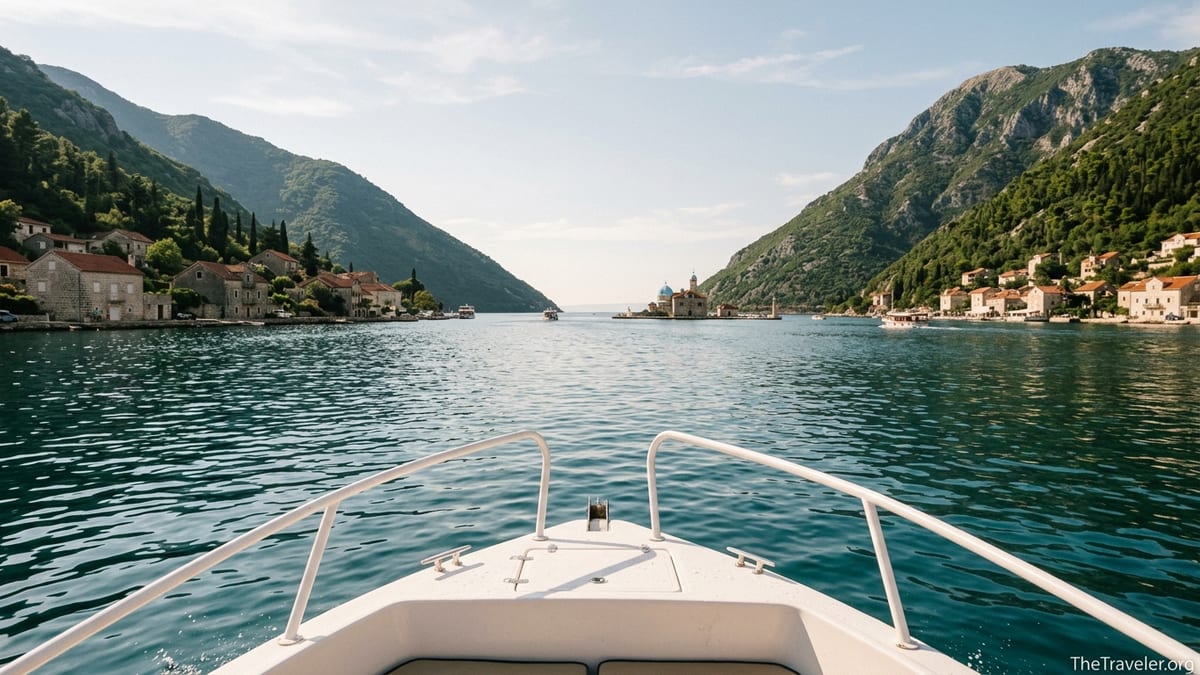
Understanding the Bay of Kotor Boat Routes
Most Kotor boat tours follow a similar backbone route, then differ in pace, comfort and how much time you actually spend at each stop. A typical half-day circuit from the Kotor waterfront runs out through the inner bay, passes the baroque town of Perast and the island church of Our Lady of the Rocks, then continues toward the bay’s mouth for panoramas of Mamula Island, former submarine tunnels and, on many itineraries, the Blue Cave. Tour companies on the quay often advertise these as “Blue Cave & Our Lady of the Rocks” or “Blue Cave & Boka Bay highlights.”
Shorter cultural trips turn around earlier. From Kotor, you can join a 2 to 3 hour sightseeing tour that focuses on Perast and Our Lady of the Rocks without continuing all the way to the Adriatic. These are popular with visitors who prefer history and architecture over long swim stops, or cruise passengers who only have a few hours ashore. In practice, these shorter bay-only trips stay in permanently calmer waters and almost never cancel for weather, while the longer Blue Cave runs depend on sea conditions at the open-mouth end of the bay.
For a sense of scale, the run from Kotor to Perast usually takes around 25 to 35 minutes by speedboat, depending on conditions and how many photo pauses your skipper makes. Continuing from Perast down to the Blue Cave area typically adds another 25 to 35 minutes. On a 3 hour tour that includes the Blue Cave, you can expect roughly half your time in motion and the other half split between island visits and swimming. If you want more swimming and less transit, a 4 to 5 hour option is a better fit.
The bay itself is exceptionally scenic from virtually any angle, so you will not “miss out” if you choose a shorter route. Travellers who are prone to seasickness or visiting with small children often report that the inner-bay Perast circuit delivers the right mix of calm waters, bathroom access at stops and frequent chances to stretch legs, while still feeling like a full day out.
Blue Cave, Mamula & Open-Sea Highlights
The Blue Cave is the most hyped stop on many Kotor tours. Located outside the protected inner bay on the Lustica peninsula side, the cave glows with an electric blue light when the sun is high and the sea is clear. Operators usually time their Blue Cave visits between late morning and mid-afternoon to catch the best light. A standard Kotor-based tour that includes the Blue Cave will also pass the old Yugoslav submarine tunnels cut into the cliffs and do a slow panoramic loop around Mamula Island at the bay’s entrance.
In 2026, small-group Blue Cave tours from Kotor are commonly advertised around 45 to 60 euros per person for a 3 to 4 hour outing, including snorkel stops and a brief look at Mamula and the tunnels. Some companies market this as a 3 hour “express” trip, while others stretch to 4 hours by adding a longer swim or a coffee break at a waterside village. Private speedboats doing the same route typically start from about 250 to 350 euros for a 3 hour charter for up to 6 to 8 people, with higher rates for newer or faster boats.
Sea conditions matter far more for the Blue Cave segment than for the rest of the bay. Local operators note that in summer the bay itself is usually calm, but strong north winds or a summer storm can create heavy swell right at the bay’s mouth. When that happens, boats may still operate the inner-bay sections yet skip the cave and simply offer extra swimming in more sheltered coves. Most companies explain this on their kiosks and will tell you at departure if the cave seems doubtful, but it is worth asking directly before you pay if a Blue Cave visit is guaranteed or described as “weather permitting.”
Another factor is crowding. At peak hours in July and August, several boats can queue at the cave entrance, with each group getting only a short swim window inside. Travellers who visited in recent summers often say that an early-departure private charter or a shoulder-season trip in May, June or September gave them a quieter experience. If the Blue Cave is your main goal, it can be worth choosing the first departure of the day, even if that means slightly cooler water temperatures.
Perast & Our Lady of the Rocks: Culture on the Water
Perast and Our Lady of the Rocks are the core cultural stops on most Bay of Kotor cruises. Perast is a baroque stone town that lines a narrow stretch of waterfront, facing two tiny islands in the channel. One of these islands is Our Lady of the Rocks, a man-made islet crowned by a church and museum. Legend says the island grew over centuries as local sailors dropped stones into the sea after surviving storms, and the church interior today is filled with votive offerings and maritime paintings.
You do not need a full Blue Cave tour to reach these sights. Many visitors simply take a shorter Perast and Our Lady of the Rocks excursion from Kotor, often 2 to 3 hours long. In 2026, group tours focusing on this inner-bay route typically run from about 25 to 40 euros per person, depending on season, boat size and how many stops are included. Operators along the Perast waterfront also run continuous small-boat shuttles to Our Lady of the Rocks, with recent accounts from travellers mentioning round-trip fares in the region of 15 to 20 euros per person for the 5 minute crossing.
Timing affects how these places feel. Late morning and early afternoon are busiest, driven by cruise excursions and day trippers. Arriving on a mid-afternoon or early-evening private boat from Kotor can be a very different experience, with softer light on the stone facades and more space inside the island church. Photographers often aim for late golden hour on clear days, when the surrounding mountains turn pink and the water flattens into a mirror.
For visitors who are less interested in swimming and more in history, choosing a bay-only itinerary with a longer Perast stop is often more satisfying than rushing out to the open sea and back. Some private skippers are happy to moor for 60 to 90 minutes at Perast so you can wander, visit Our Lady of the Rocks at your own pace and sit down for a coffee or seafood lunch before returning to Kotor along the opposite shore.
Group Tours vs Private Boats: How to Choose
On the Kotor waterfront in peak season you will see two main options advertised side by side: fixed-schedule group tours sold per person, and private speedboat charters rented by the hour or for a half-day. Group tours are the entry-level choice. In 2026, it is common to see 3 to 4 hour group Blue Cave and Our Lady of the Rocks trips priced around 45 to 60 euros per person, and shorter inner-bay sightseeing cruises for roughly 25 to 40 euros. Boats used for these trips range from open speedboats with 10 to 15 seats to slightly larger covered vessels carrying 20 or more.
Private charters cost more in absolute terms but can work out similar or cheaper per person for families or small groups. Recent price guides for Kotor list half-day private speedboat rentals at around 250 to 400 euros for 3 to 4 hours, often for up to 8 to 10 passengers. A concrete example: one widely advertised Kotor operator shows a 3 hour private Blue Cave and Perast tour from about 300 euros per boat, while the same company sells a comparable 4 hour group tour at 50 euros per person. For a couple, the group trip is clearly cheaper; for a group of six, the private charter begins to make more sense.
Beyond price, there are qualitative differences. Group tours depart and return at fixed times, follow predetermined stops and usually limit how long you spend at each place to keep on schedule. They are ideal if you want something easy to book the day before, do not mind sharing the boat and simply want to be sure you will see the headline sights. Private boats, by contrast, let you leave earlier or later, skip stops you do not care about, or extend your time in a favourite bay. Parents with children often appreciate being able to ask the skipper to slow down, add an extra swim in shallow water or head back early if kids get tired or sea conditions shift.
If you are arriving on a cruise ship and have a hard deadline to be back on board, both formats can work, but private charters offer extra security if you choose a reputable local company and clearly state your all-aboard time. Some operators who work regularly with cruise passengers build in a buffer of at least an hour between the planned return and ship departure. On the budget end, independent travellers sometimes mix formats, booking a group tour for the long Blue Cave run one day and then hiring a smaller local boatman in Perast for a short Our Lady of the Rocks hop on another.
What You Can Expect to Pay in 2026
Published brochure prices in Kotor can vary widely, especially across online platforms, but by mid-2026 a few clear price bands have emerged for typical bay and Blue Cave trips. For group tours, 3 to 4 hour Blue Cave, Mamula panorama and Our Lady of the Rocks excursions usually sit in the 45 to 60 euros per person range in high summer, with occasional early-season or last-minute discounts a little below that. Shorter 2 to 3 hour inner-bay trips that focus on Perast and Our Lady of the Rocks tend to cost around 25 to 40 euros per person.
For private boats, a small to mid-size speedboat with skipper, fuel and basic refreshments commonly starts around 250 to 350 euros for a 3 hour charter in high season, rising toward 400 euros or more for 4 hours or for newer, more powerful vessels. Some local flyers and online booking portals show “from 100 euros per tour” for very short private inner-bay runs without Blue Cave, which can work well if your priority is simply to get on the water and see Perast and Our Lady of the Rocks without committing half a day.
Larger or more luxurious options, including small yachts and motor cruisers, often sit in a different price bracket again. A half-day outing on a crewed motor yacht in the bay can easily reach 500 to 800 euros or more, particularly when marketed to private groups from Tivat marinas. Weekly bareboat yacht charters out of nearby bases in Kotor or Tivat generally start around the mid four-figure euro mark in shoulder season, which is beyond the scope of a typical day visitor but relevant if you are planning a sail-focused trip.
Remember that headline prices seldom include everything you will spend during the day. Entry to Our Lady of the Rocks church museum, drinks and snacks at waterfront cafes, parking near the marina and optional extras like snorkel rental or drone photography can all add modest but noticeable amounts. Many travellers report that a “40 euro boat tour” turned into closer to 60 or 70 euros per person once island donations, cold drinks and a quick lunch in Perast were added, so it is sensible to build that into your planning.
Timing, Weather & Sea Conditions
Montenegro has a classic Mediterranean climate, and the Bay of Kotor benefits from generally calm waters sheltered by steep mountains. The main boating season runs from roughly May to October, with July and August bringing the hottest temperatures, warmest sea for swimming and the largest crowds. Local tourism and charter guides often describe May, June and September as the sweet spot months for combining pleasant air temperatures, swimmable sea and more manageable visitor numbers.
Weather affects different parts of the bay unevenly. The inner bay around Kotor and Perast is usually protected, and boat tours on these sections operate almost daily through the main season. By contrast, routes that exit toward the Adriatic to reach the Blue Cave and the open sea near Mamula are more sensitive to wind and swell. North and northeast winds can whip up short, steep waves at the bay’s mouth, which is why even on sunny days you may see operators cancel the cave portion while still offering a modified inner-bay cruise.
Time of day matters too. Mornings, especially before 10:00, are often calmer, cooler and less crowded at the key stops, which makes early departures attractive if you do not mind a slightly brisker first swim. By early afternoon in July and August the sun is intense, decks can get hot and bay breezes sometimes pick up. Families with young children and older travellers often find that a morning or late-afternoon slot works better than the midday peak. Sunset-oriented trips, focusing on Perast and the inner bay, have become popular for couples who want softer light and more comfortable temperatures without swimming.
At a practical level, it is wise to communicate with your chosen operator the day before your tour, particularly in shoulder season or if forecasts mention stronger winds. Many companies have social media updates or waterfront kiosks that display whether the Blue Cave segment is running the next day. If your dates are fixed and the cave is important to you, consider building some flexibility into your itinerary, so you can move the boat day forward or back by one day if the forecast improves.
Practical Tips for Booking and Being on Board
Booking a Kotor boat tour can be as simple as walking up to a kiosk on the waterfront and joining the next departure, but a bit of planning usually leads to a better experience. In peak months such as late June through early September, group tours to the Blue Cave frequently fill their prime morning and early-afternoon slots a day or two ahead, especially on days when one or more large cruise ships are in port. If you have a specific time or a private charter in mind, reserving several days in advance is sensible.
When comparing offers, ask for clear details: the precise route, how long you will spend at each stop, whether swimming is included, maximum group size, and what happens if the Blue Cave cannot be visited due to sea conditions. Some operators offer a partial refund or a price adjustment if they have to cancel the cave portion, while others simply substitute an extra swim stop. Getting this in writing in your confirmation email or message can prevent disagreements later.
On board, basic preparation goes a long way. The summer sun reflecting off the water is strong, so a hat, high-factor reef-friendly sunscreen, and a light cover-up or shirt are more than comfort items; they are practical necessities. Most boats provide life jackets and a small shaded area, but space in the shade can be limited on group trips. Bringing a quick-dry towel, water-resistant bag for electronics and some cash in small denominations for island donations and cafe stops will make the day smoother.
Finally, think about your own comfort and any mobility issues. Boarding in Kotor usually happens from floating pontoons or low quays, but at busier moments you may need to step across from one boat to another. Let the operator know in advance if anyone in your party has reduced mobility, is a nervous swimmer or is prone to seasickness. Good local skippers are used to adapting speed, choosing calmer routes or suggesting front-row or rear seats based on who is on board.
The Takeaway
A boat trip from Kotor is one of the most rewarding experiences you can have on Montenegro’s coast, offering a rare combination of dramatic mountain scenery, small-village charm and bright, swimmable water. For some travellers, a simple 2 to 3 hour Perast and Our Lady of the Rocks cruise within the calm inner bay delivers everything they hope for: history, views and an easy taste of life on the water. Others will prioritise the longer route out toward Mamula and the Blue Cave, trading a bit more motion and open sea for a vivid swimming memory in improbably blue light.
There is no single “right” way to see the bay. Group tours keep costs predictable and planning simple, while private boats turn the same landscape into a more flexible, tailored experience, especially if you are travelling as a family or small group. Paying attention to season, time of day and weather forecast can transform a chaotic, crowded outing into a calm, comfortable highlight of your trip.
Whichever option you choose, treat the bay as more than just a backdrop to a checklist of stops. Allow time to linger in Perast, listen to the echoes inside Our Lady of the Rocks, watch the light change on Kotor’s walls as you return, and you will see why so many visitors describe their day on the water as the moment when the Bay of Kotor finally made sense.
FAQ
Q1. Do I need to book a Kotor boat tour in advance, or can I just show up?
In July and August, it is wise to book at least a day or two in advance for popular Blue Cave group tours and several days ahead for private charters. In May, June, September and October, you can often secure same-day spots by visiting the kiosks on Kotor’s waterfront in the morning, though private boats can still sell out on sunny weekends or heavy cruise-ship days.
Q2. Is the Blue Cave worth it if I am short on time?
If you only have two or three hours, focusing on Perast and Our Lady of the Rocks often provides a more relaxed and reliable experience, as the inner bay is calmer and less prone to weather cancellations. The Blue Cave is memorable when conditions and timing are good, but it requires more travel time and is occasionally skipped due to swell, so it is best reserved for visitors who can spare at least three to four hours.
Q3. What is the best time of day to take a boat tour from Kotor?
Morning departures usually offer calmer seas, cooler temperatures and fewer crowds at popular stops. Midday departures can be very hot but provide strong light inside the Blue Cave, while late-afternoon and early-evening trips are ideal for softer light and photography in Perast and the inner bay. In peak summer, many travellers find that starting before 10:00 or after 16:00 strikes the best balance between comfort and scenery.
Q4. How rough is the water on Kotor boat tours?
Within the Bay of Kotor itself, the water is typically quite calm, and even sensitive travellers rarely report serious seasickness. The stretch near the bay’s entrance and out toward the Blue Cave can be choppier, especially when local winds pick up, so those prone to motion sickness may prefer inner-bay itineraries or early-morning departures when conditions are often gentler.
Q5. Are life jackets and safety equipment provided?
Licensed operators in Kotor are required to carry life jackets and basic safety equipment for all passengers, and reputable companies will store them in visible, easily accessible locations on board. If you have children in your group or simply want extra assurance, it is reasonable to ask the crew to show you where jackets are kept and to request child-sized ones if needed before departure.
Q6. Can children and older travellers comfortably join a Blue Cave tour?
Many families and older travellers enjoy Blue Cave trips, but comfort depends on individual mobility and tolerance for chop and sun. Boarding can involve stepping across from the pier to a moving boat, and the open-sea section can be bumpy on windy days. For very young children, those with limited mobility or anyone nervous about rougher water, a shorter inner-bay route to Perast and Our Lady of the Rocks is generally a safer and more comfortable choice.
Q7. What should I wear and bring on board?
Wear light, breathable clothing, swimwear under your clothes if you plan to swim, and shoes that can handle wet surfaces. Bring sunscreen, a hat, sunglasses, a quick-dry towel, a water-resistant bag or pouch for your phone, and some cash for drinks, snacks and island donations. Even on trips that advertise “refreshments included,” extra water is a good idea in the summer heat.
Q8. Are there toilets on the boats or only at stops?
Smaller speedboats that dominate Kotor’s day-trip market usually do not have toilets on board, so you will rely on facilities available at stops such as Kotor marina, Perast waterfront cafes and sometimes small seaside bars near swim coves. Larger excursion boats and small yachts are more likely to have a basic toilet, but you should confirm this with the operator if it is important for your comfort.
Q9. Can I swim at the Blue Cave and during bay tours?
Most Blue Cave and open-sea tours include at least one swim stop, often at or near the cave entrance when conditions allow, and sometimes in a quieter nearby bay if the cave is crowded. Inner-bay itineraries may also offer optional swimming off the boat or from small beaches. If swimming is a priority, confirm the number and approximate length of stops in advance, and let the crew know if anyone in your group is a weak swimmer.
Q10. Is tipping expected on Kotor boat tours?
Tipping is not mandatory, but it is increasingly common for travellers to leave a modest tip for skippers and crew if they feel they received good service. A typical range mentioned by recent visitors is around 5 to 10 euros per person on group tours or roughly 10 to 15 percent of the tour price for private charters, adjusted up or down depending on your satisfaction and budget.