


More news on this day
Local travelers are back home in Las Vegas after an unsettled Friday night at Harry Reid International Airport, where hours-long delays rippled through departures and arrivals and left families waiting late into the evening for a seat home.
Get the latest news straight to your inbox!
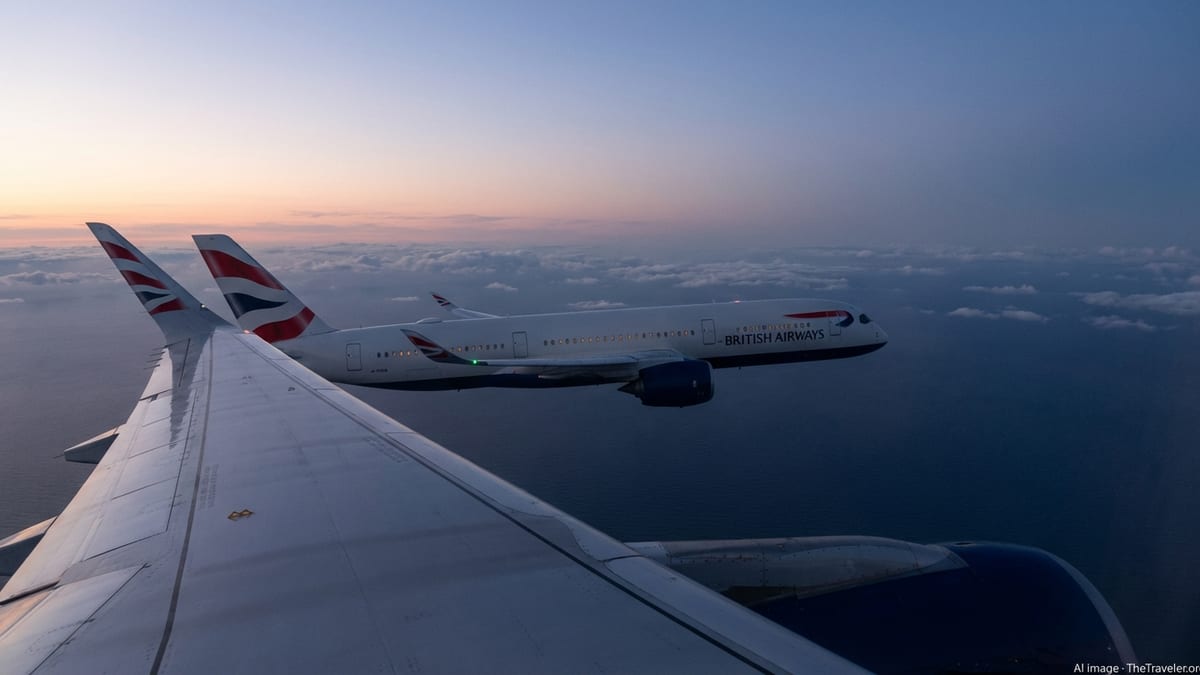
Hours of backups snarl Friday night travel
Reports from airline tracking services and regional broadcasters indicate that flights at Harry Reid International Airport faced delays approaching three hours on Friday night, disrupting both outbound and inbound traffic across multiple carriers. Some evening departures were pushed well past their scheduled times, while arriving passengers circled in holding patterns or sat on tarmacs at other airports waiting for clearance into Las Vegas.
Publicly available Federal Aviation Administration information cited in local coverage pointed to an air traffic management program affecting flights bound for Las Vegas, which led to extended wait times at gates and on taxiways. Travelers who expected a routine start to their weekend instead found themselves watching delay estimates creep later as the night wore on.
The congestion added to what has already been a busy year for Harry Reid International, one of the nation’s busiest airports by passenger volume. For locals returning from short business trips or quick getaways, the timing of the disruption on a peak Friday evening made the experience particularly visible.
By late evening, tracking data showed the worst backups beginning to ease, but residual delays continued to affect flights arriving close to midnight and into the early hours of Saturday, extending the travel day for many Las Vegas residents.
Staffing strains and system pressure behind the waits
Recent coverage of operations at Harry Reid International and other major U.S. airports has highlighted how staffing constraints in both air traffic control and ground operations can quickly cascade into long waits. Industry reporting notes that even modest shortages in key roles such as controllers, ramp workers and security screeners can magnify the impact of routine summer thunderstorms, high winds or traffic-flow restrictions.
In the case of Friday’s delays, publicly accessible FAA updates showed traffic management initiatives in effect for flights serving Las Vegas, a common step when staffing and heavy demand intersect. Aviation analysts frequently point out that such measures are designed to maintain safety margins, but they often translate into slower movement at gates and extended taxi times for passengers.
Las Vegas has seen similar pressure before during holiday peaks and large-scale events, when passenger numbers surge and the airport’s tightly scheduled runway and gate system has little room for error. Travelers are often advised, in airport planning materials and travel advisories, to build extra time into their itineraries when flying in or out of Harry Reid during busy periods.
Friday’s backups underscored how quickly a local disturbance can ripple through wider airline networks, leaving travelers headed for Las Vegas waiting in distant terminals while schedules are rebalanced.
Locals relieved to be home after a long night
For Las Vegas residents, the end of the ordeal came not at the gate but at their own front doors, many hours later than planned. Social media posts and neighborhood message boards on Saturday morning reflected a sense of relief among locals who finally made it home, some after midnight, with tired children and long-abandoned dinner plans.
Several posts described crowds filling concourses late into the night and packed rideshare pickup zones as delayed flights arrived in quick succession. Others emphasized the contrast between the frustration of waiting and the comfort of returning home to familiar routines once baggage had been collected and the airport left behind.
Locals who regularly use Harry Reid as a base for work travel noted that unexpectedly long evenings like Friday’s can be especially draining at the end of a busy week. Yet many also expressed appreciation for the chance to sleep in their own beds rather than face diversions or overnight stays in connecting cities, which can occur when delays force aircraft and crews out of position.
By Saturday, as operations normalized, residents were sharing practical observations about what helped them cope with the disruption, from carrying extra snacks for children to downloading entertainment and checking mobile alerts before leaving for the airport.
Advice for upcoming trips through Harry Reid
Travel guidance published by the airport and national travel organizations suggests that passengers plan for occasional disruptions when flying through a high-traffic hub like Harry Reid, particularly on Friday evenings and during holiday periods. Recommendations often include arriving early, monitoring airline apps for gate or timing changes, and allowing generous connection times when itineraries involve a change of planes.
Regular travelers also highlight the value of understanding terminal layouts at Harry Reid, including security checkpoint locations and ground transportation zones, to reduce stress if schedules suddenly compress. Airport travel tips documents emphasize that familiarity with parking options, rideshare pickup areas and inter-terminal shuttles can make late-night arrivals less chaotic.
Industry observers point out that programs such as TSA PreCheck and airline priority lanes cannot prevent a systemwide slowdown caused by air traffic management constraints, but they can reduce the time spent in security queues on already busy days. For many Las Vegas residents who use the airport frequently, such tools have become part of their standard travel planning.
Friday’s disruptions served as a reminder that even well-practiced routines may occasionally be tested by events beyond travelers’ control. For those already planning their next trip, the experience is feeding into a renewed focus on flexible itineraries and backup plans.
Las Vegas prepares for more peak-period pressures
Looking ahead, travel trend data and tourism projections indicate that Harry Reid International is likely to remain under sustained pressure as visitor numbers to Las Vegas continue to grow. Large conventions, major sporting events and concert residencies regularly drive spikes in passenger traffic, layering additional complexity on top of everyday operations.
Airport planning documents and recent media coverage highlight ongoing efforts to refine passenger flow, upgrade facilities and encourage travelers to make use of digital tools such as mobile check in and real time flight updates. These steps are intended to keep the system moving more smoothly when weather, staffing or national airspace issues threaten to slow things down.
For local residents, Friday night’s experience is a timely illustration of how national aviation challenges play out at the neighborhood level, turning an ordinary return flight into an unexpectedly long journey home. As they unpack and reset for the week ahead, many are hopeful that lessons from this latest episode will help keep future weekends at Harry Reid running closer to schedule.