


More news on this day
Hundreds of travelers moving through Peru in late May 2026 are facing cascading disruptions after a series of cancellations and schedule changes on LATAM and United Airlines severed key links between Lima, Cusco, Houston and the gateway to Iguazu Falls.
Get the latest news straight to your inbox!
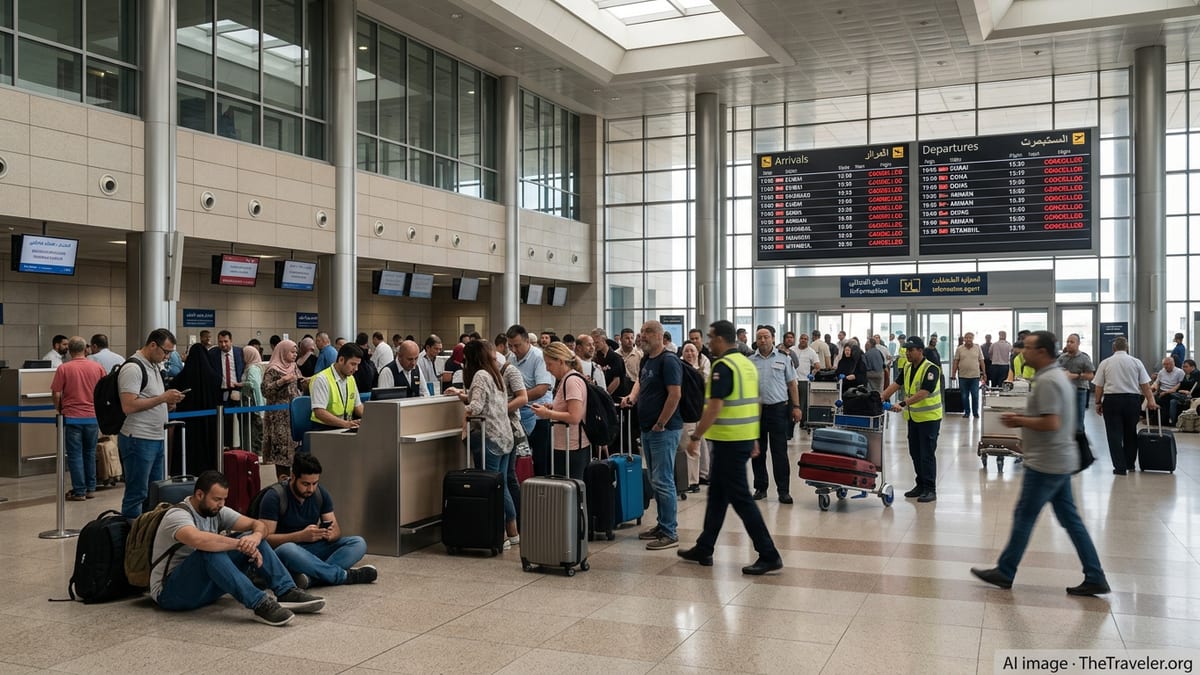
Dozens of Flights Scrubbed Across Peru’s Busiest Corridors
Publicly available flight tracking data for the final week of May 2026 shows an unusually high number of schedule changes and cancellations on routes connecting Lima with Cusco and other Peruvian cities, along with long-haul services to North and South America. Several LATAM services between Lima and Cusco that typically operate multiple times daily are listed as delayed, heavily retimed or removed from sale on some dates, compressing capacity on one of South America’s most popular domestic corridors.
On the international side, United’s nonstop link between Houston and Lima, a key connection for travelers from the United States heading to Machu Picchu and the Peruvian Amazon, has seen irregular operations in recent days. Industry discussion forums and flight status aggregators point to a mix of late-running aircraft and same-day cancellations, forcing passengers to be rebooked via alternate hubs or held over in Peru’s capital.
Regional itineraries involving Peru and Argentina’s Iguazu Falls are also being affected. Route-planning tools that compile schedules from multiple airlines indicate thinning options and scattered cancellations on itineraries that combine LATAM’s Peruvian and Brazilian operations for connections from Lima and Cusco into Puerto Iguazu. Travelers report arriving to find previously confirmed segments retimed or removed, breaking carefully planned multi-stop trips across the continent.
While there is no single formal trigger identified in public documentation, operational bulletins and travel-industry advisories refer to a combination of factors, including airport infrastructure constraints, tight aircraft rotations and seasonal weather patterns that can quickly ripple across an already stretched schedule.
Knock-on Impact for Lima, Cusco and Tourist Hotspots
The greatest disruption is being felt on the Lima to Cusco corridor, the essential air bridge for visitors heading to Machu Picchu, the Sacred Valley and the broader Andean region. With LATAM operating as the dominant carrier on this route and other airlines already flying close to capacity in high season, each cancellation or consolidation removes vital seats from the market and limits alternatives for stranded passengers.
Travelers with tight onward connections in Lima, particularly those booked on separate tickets, appear to be especially vulnerable. Recent posts on travel forums describe situations where modest delays out of Cusco have caused passengers to misconnect with late afternoon and evening long-haul departures from Lima. In several cases, customers recount being left to negotiate new tickets or overnight stays after missing flights on partner carriers, despite having originally built in what had seemed like comfortable layover times.
The problems are not confined to Cusco. Domestic routes to other Peruvian gateways that feed international services, such as those toward the Amazon basin and southern Peru, are also experiencing schedule adjustments. When these segments are delayed or canceled, travelers attempting to link Peru with regional attractions like Iguazu Falls face complex re-routing, often via São Paulo or other Brazilian hubs, which introduces additional border crossings and potential visa considerations.
Industry observers note that Peru’s role as a growing regional hub means any turbulence in its core domestic network can swiftly undermine confidence among long-haul travelers who rely on seamless connections to reach more remote destinations.
Travelers Report Long Queues, Limited Rebooking Options
Accounts shared on airline-specific discussion boards and social media paint a picture of long queues at service desks in both Lima and Cusco as passengers attempt to secure replacement flights. Some travelers describe arriving at the airport to find their LATAM or United flights canceled or significantly retimed, with limited proactive communication from the airlines beyond generic schedule-change notifications.
Several recent posts referencing itineraries through Lima highlight difficulties in coordinating between LATAM and United when separate tickets or mixed loyalty partnerships are involved. In such cases, customer reports indicate that each carrier may only take responsibility for its own segment, leaving travelers to bridge the gap between a cancelled domestic leg and a now-missed international departure.
There are also anecdotal reports of travelers being shifted onto multi-stop routings that lengthen journeys by many hours, sometimes involving overnight layovers or reroutes through alternative hubs in Chile or Brazil. While these options can eventually deliver passengers to their final destinations, they frequently come at the cost of lost hotel nights, missed tours and truncated itineraries in high-value destinations like Cusco and Iguazu Falls.
Consumer-rights platforms and compensation-services websites are already flagging the spike in Peru-related disruption, reminding affected passengers to keep detailed records of boarding passes, receipts and written communications, which may be needed later if they pursue reimbursement under applicable regulations.
Airlines Point to Operational and Infrastructure Pressures
Public statements from LATAM earlier this year regarding broader schedule changes from Lima cited rising airport charges and infrastructure constraints as reasons for reducing or reshaping certain international routes. While those announcements focused on medium-term structural adjustments, aviation analysts note that similar pressures can exacerbate day-to-day operations when weather, maintenance or air-traffic restrictions arise.
Lima’s Jorge Chávez International Airport continues to manage a dense wave pattern of flights with limited slack across peak times, contributing to knock-on delays when a single departure or arrival falls out of sequence. In Cusco, the geography of the Andean valley and sensitivity to weather and visibility can force short-notice schedule changes that cascade through the day’s rotations for aircraft and crews.
United’s Houston to Lima connection is particularly exposed to such knock-on effects because of its role as both an inbound and outbound long-haul leg within the same 24-hour period. If the aircraft operating the service encounters disruption earlier in its network, reports from frequent flyers indicate that the impact can quickly manifest as a same-day cancellation or a severely delayed departure in either direction.
Analysts following South American aviation trends suggest that demand for Peru has recovered faster than some airlines’ ability to rebuild resilient schedules, leaving networks vulnerable when irregular operations occur at multiple airports simultaneously.
What Passengers Should Do If They Are Affected
Travel advisories generated by major booking platforms and travel-insurance providers in late May are urging passengers with upcoming trips involving Lima, Cusco, Houston or Iguazu Falls to monitor their reservations closely in the days and hours before departure. Many tools now allow travelers to track real-time flight status, aircraft assignments and historical punctuality, which can hint at potential issues even before official notifications appear.
Experts in passenger rights recommend that travelers booked on complex itineraries through Peru consider consolidating tickets onto a single booking where possible, particularly when mixing LATAM and United segments. This structure may make it easier to secure through-checking of bags and coordinated rebooking if disruptions occur. Those holding separate domestic and international tickets are advised to build in generous buffers and to have a back-up plan for same-day hotel options in Lima in case connections are lost.
Travel-insurance policies that cover missed connections, schedule changes and additional accommodation can also make a significant difference in situations like the current wave of disruptions. Policy documents should be checked carefully, as coverage can vary widely based on whether a cancellation is classified as weather-related, operational or caused by airport-side issues.
Looking ahead to the coming weeks, travelers planning high-value experiences such as treks to Machu Picchu or combined Peru and Iguazu itineraries may wish to book flexible airfare and refundable ground arrangements where possible. With schedules in flux and key hubs under pressure, adaptability remains one of the most effective safeguards for passengers navigating Peru’s skies right now.