


More news on this day
Delays at Liverpool John Lennon Airport disrupted eight flights on August 24, 2026, with published coverage indicating impacts across easyJet and Ryanair services during a busy late-summer travel period.
Get the latest news straight to your inbox!
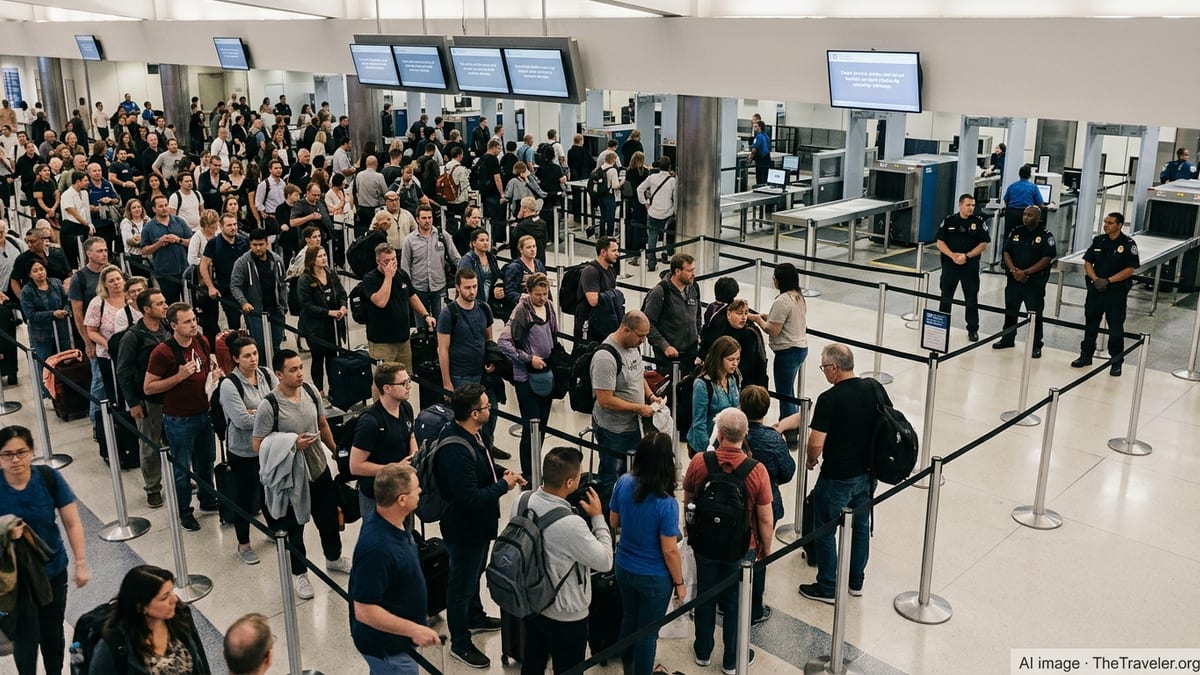
Eight flights delayed as late-summer schedule runs behind
Published coverage of the disruption described scattered delays across Liverpool John Lennon Airport’s timetable on August 24, 2026, affecting a total of eight flights and involving carriers including easyJet and Ryanair, along with selected Jet2 services.
The disruption appeared to be uneven rather than airport-wide, with delays building during the afternoon and then carrying into some later rotations. That pattern can matter for travelers because short-haul aircraft often operate multiple sectors in a day, meaning a late inbound aircraft can quickly push back subsequent departures.
Coverage of the day’s disruption also pointed to popular leisure routes as being among those running behind schedule, including services to destinations such as Palma de Mallorca and Barcelona, both of which are common peak-season routes from Liverpool.
No reported airport-wide stoppage, with operational factors in focus
Reports around the delay pattern indicated no obvious single local trigger such as an airport-wide closure or a publicly flagged stoppage. Instead, the day’s delays were framed as more consistent with broader airline operational pressures, including aircraft and crew scheduling knock-on effects and congestion across the wider network.
For passengers at the terminal, that kind of disruption can show up as rolling changes to estimated departure times, shifting boarding windows, and late gate announcements, even when the overall number of cancellations is limited.
Travelers tracking flights were encouraged by consumer guidance to rely on live flight status tools and airline notifications rather than only terminal display screens, since gate assignments and recovery measures can change quickly as airlines reshuffle aircraft to protect later flights.
Why summer “rotations” can create cascading delays
Liverpool John Lennon Airport is a major base for low-cost and leisure carriers, and the late-August period typically brings dense schedules of short-haul departures. When an aircraft is scheduled to fly multiple legs, delays earlier in the day can cascade, as turnaround tasks such as deplaning, refueling, catering, and boarding all compress into tight windows.
The effect is often most visible on high-frequency leisure routes. If a single afternoon flight runs late, evening services operated by the same aircraft may depart behind schedule even if local conditions at the airport remain normal.
In practical terms, travelers departing later in the day can be more exposed to accumulated disruption. Even moderate delays can also affect onward connections, including pre-booked rail tickets and coach departures, especially for passengers traveling to and from the airport on fixed timetables.
What passengers can do at the airport when delays build
When a delay is reported, the first step is to confirm the latest estimated departure time directly with the airline’s flight status tools and keep an eye on changes to gate numbers. In rolling delay situations, airlines may adjust boarding times with little notice as they try to recover the schedule.
Travelers can also reduce confusion by saving documentation such as boarding passes and screenshots of updated departure times, and by keeping receipts for any reasonable out-of-pocket costs incurred due to the disruption. Consumer guidance commonly emphasizes that the type of support a passenger can request depends on the length of delay and the circumstances.
For those who decide not to travel, refund and rebooking options can vary depending on whether the flight is canceled outright or delayed, and depending on the fare type. Where delays push into late-night hours, passengers may also want to review ground transport availability from the airport, since options can narrow significantly as services wind down.
Passenger rights: compensation depends on the cause and delay length
Public guidance around European and UK passenger-rights rules generally links compensation eligibility to both the length of delay at arrival and whether the cause is within an airline’s control. When disruption is driven by factors such as airline operational constraints, compensation may apply in some cases, while disruptions tied to restrictions outside the airline’s control are often treated differently.
Separately from compensation, widely published passenger-rights guidance emphasizes “care and assistance” during longer waits, which can include meals, refreshments, and accommodation when an overnight stay becomes necessary. The threshold for what is owed can depend on flight distance and delay length, and travelers are typically advised to keep written records of what was offered.
For Liverpool’s August 24 disruption, published coverage suggested the delay pattern was contained within that day’s operations rather than developing into a multi-day event, but passengers traveling on the affected services could still face significant knock-on issues, particularly those with tight same-day plans at their destination.