


More news on this day
Germany’s busiest air corridors were thrown into turmoil as a one day Lufthansa cabin crew walkout grounded around 500 flights and left an estimated 90,000 passengers stranded during the critical post Easter holiday rush.
Get the latest news straight to your inbox!
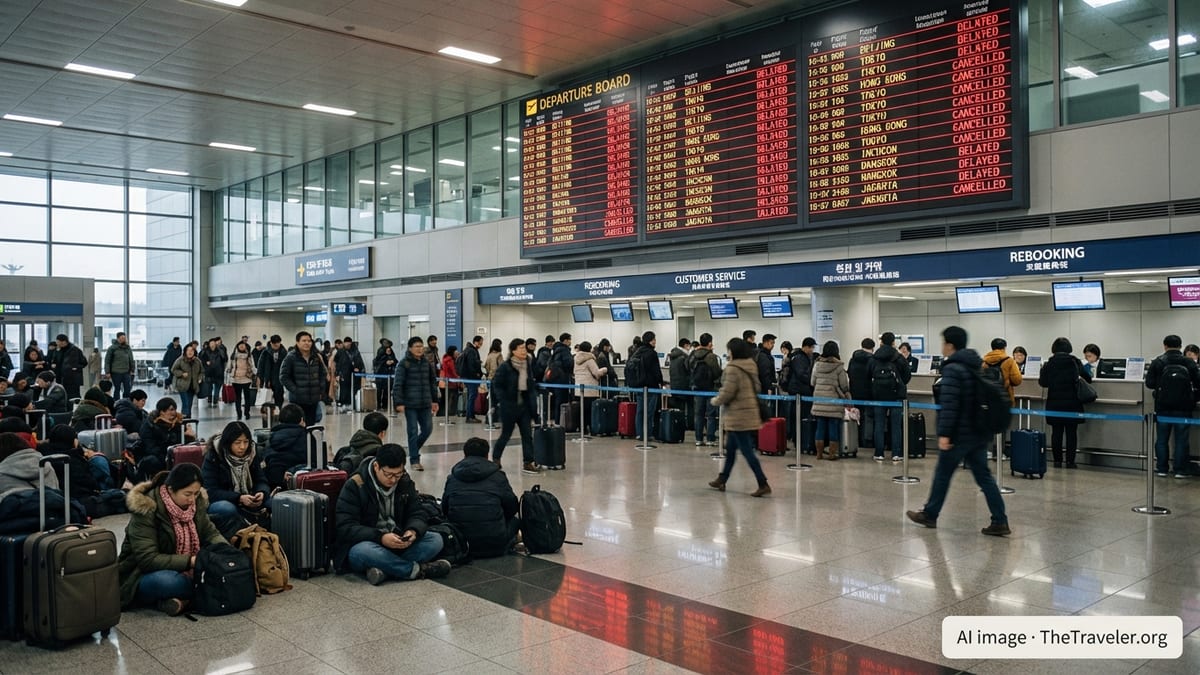
Strike Halts Operations at Frankfurt and Munich Hubs
According to publicly available flight data and airport statements, the disruption centered on Frankfurt and Munich, Germany’s two largest hubs and key transfer points for Lufthansa’s global network. Reports indicate that the stoppage, which began in the early hours of April 13, led to widespread cancellations across the airline’s short and long haul schedules.
Industry trackers cited by multiple European news outlets suggest that approximately 500 Lufthansa operated flights were cancelled over the course of the day, with only a reduced skeleton schedule operating at peak times. Frankfurt, normally handling hundreds of Lufthansa departures and arrivals on a busy holiday weekend, saw large sections of departure boards marked “cancelled” as cabin crew stayed off duty.
Munich experienced a similar pattern, with the strike rippling through Lufthansa and its regional arm Lufthansa CityLine. Many feeder services that connect secondary European cities to the Bavarian hub were removed from the schedule, severing onward long haul connections for travelers returning from Easter breaks.
The impact spread beyond Germany’s borders as aircraft and crews fell out of position. Routes to Vienna, Zurich and other European capitals reported knock on delays and cancellations, as flights that depend on aircraft coming from Frankfurt and Munich were unable to depart on time.
Up to 90,000 Passengers Stranded in Easter Travel Rush
Published coverage from travel industry analysts and passenger rights organizations indicates that around 90,000 travelers were directly affected by cancellations and severe delays linked to the strike. Many were leisure passengers attempting to return home at the end of school holidays, a period that typically sees some of the highest load factors of the year on European and transcontinental routes.
Scenes at Frankfurt and Munich included long queues at check in and ticketing counters, as travelers waited to be rebooked on later departures or rerouted via alternative hubs. With so many flights removed from the timetable on short notice, the remaining seats on Lufthansa and rival carriers quickly filled, leaving some passengers facing overnight stays in airport hotels or forced changes to onward rail and road journeys.
Publicly available information shows that Lufthansa advised customers not to travel to the airport unless their flight was confirmed as operating, and encouraged the use of digital channels for rebooking where possible. However, reports from travel forums described difficulty accessing call centers and airline apps during peak hours, as tens of thousands of affected customers tried to change their plans at once.
In several cases, passengers with complex itineraries across multiple continents reported being stranded mid journey when their connecting segments via Germany were cancelled. Travel agencies and corporate travel managers spent much of the day searching for remaining seats across Europe’s already crowded Easter weekend network.
Labor Dispute Puts Pressure on Lufthansa Management
The strike forms part of a broader labor dispute between Lufthansa and cabin crew representatives over pay, scheduling and staffing levels. According to German and international business media, employee groups have highlighted higher living costs and intense work rosters following the airline’s rapid ramp up from the pandemic years as core points of contention.
Recent weeks have seen a series of warning strikes and ballots in Germany’s transport sector, with aviation unions seeking wage increases that keep pace with inflation and reflect the industry’s return to profitability. Lufthansa, which has reported stronger earnings and high demand on key long haul routes, is under growing scrutiny from both staff and travelers as disputes spill over into repeated service disruptions.
Reports indicate that the latest walkout targeted the final weekend of the Easter holiday period to maximize visibility and bargaining leverage. By hitting a peak travel day, cabin crew signaled their willingness to escalate the dispute while also underscoring the central role they play in keeping Europe’s largest network carrier running smoothly.
Negotiations are expected to continue in the coming days, with analysts watching closely for signs of further escalation. German media commentary notes that if the stand off persists, additional strike calls during upcoming public holidays and summer weekends cannot be ruled out.
Ripple Effects Across Europe’s Airline Network
The grounding of hundreds of flights in a single day created a cascade of operational challenges across Europe’s tightly interlinked air transport system. Airport operators in Frankfurt and Munich reported disrupted ground handling processes, with large volumes of baggage separated from their owners as aircraft rotations collapsed and last minute rebookings mounted.
Published reporting from aviation data firms shows that delays extended to carriers outside the Lufthansa Group as congested terminals, airspace constraints and reallocated slots affected overall traffic flows. Airlines operating code share services with Lufthansa experienced particular complexity, as some flights operated under one carrier’s crew and contracts while others remained grounded.
Regional airports in Germany that rely on Lufthansa CityLine feeders also felt the impact. Reduced frequencies to cities such as Stuttgart, Nuremberg and Leipzig contributed to overcrowded trains and increased demand for long distance buses, adding further strain to the country’s broader transport network already affected by prior rail and public transit strikes.
Travel insurers and passenger rights advocates pointed to the episode as another example of the fragility of peak season travel in Europe when labor disputes and operational bottlenecks converge. Many advised travelers with flexible dates to avoid the busiest return days around major holidays where possible.
What Travelers Can Expect Next
As Lufthansa works to restore normal operations, aviation tracking services indicate that residual disruptions are likely to continue for at least one to two days after the main strike. Aircraft and crews need to be repositioned, and some routes may see downgraded aircraft or timetable changes while the airline clears backlogs.
Publicly available guidance from travel organizations suggests that passengers scheduled to fly with Lufthansa or its regional partners in the days following the walkout should monitor their flight status closely, use airline apps for real time updates, and arrive at the airport earlier than usual to allow for longer queues at security and check in.
Under European passenger protection regulations, travelers whose flights were cancelled may be entitled to rebooking, refunds and in some cases financial compensation, depending on the circumstances of the disruption and the timing of notifications. Consumer groups are encouraging affected passengers to keep documentation of delays, additional expenses and any written communication from the airline.
For Germany’s aviation sector, the episode adds to a growing list of strike related disruptions over recent years that have reshaped traveler expectations. As negotiations continue, many frequent flyers are building greater buffers into itineraries involving German hubs, while industry observers warn that resolving the underlying labor tensions will be essential to restoring confidence ahead of the busy summer season.