


More news on this day
Hundreds of travelers were left stranded or severely delayed on Monday as a fresh bout of disruption at Adolfo Suárez Madrid-Barajas Airport triggered 224 flight delays and at least three cancellations, snarling traffic for Iberia, Ryanair, Air Europa, TAP Air Portugal and easyJet services across Spain and key European hubs.
Get the latest news straight to your inbox!
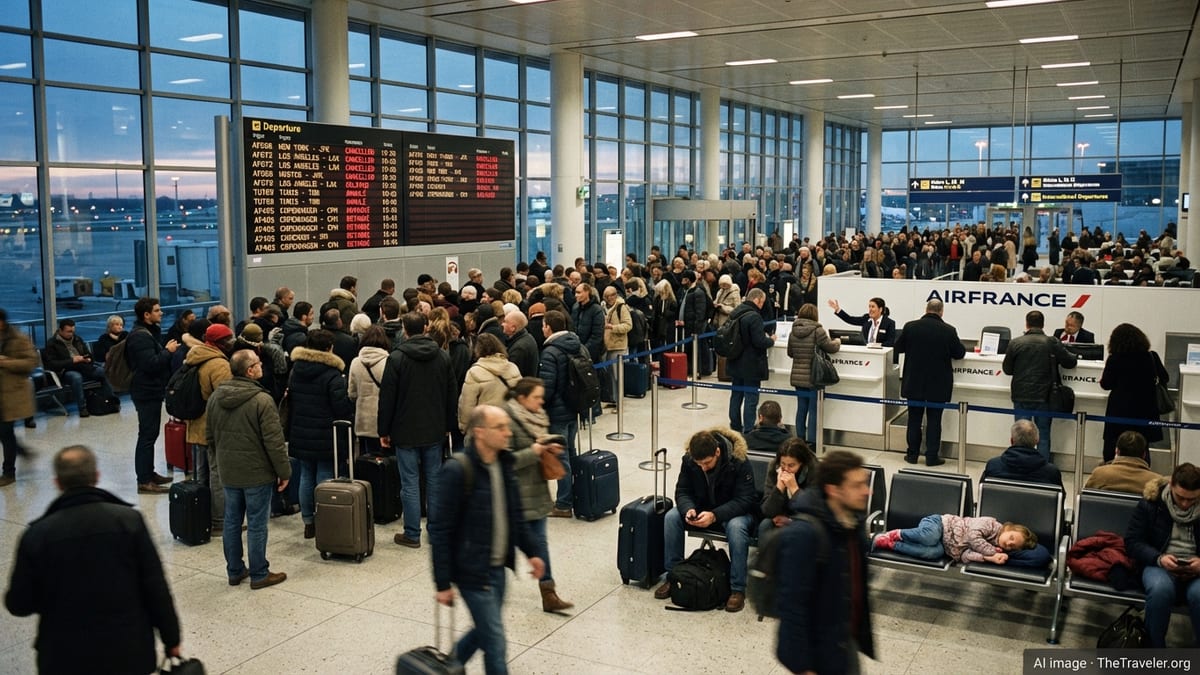
Delays at Spain’s Busiest Hub Ripple Across Europe
Operational data and live flight-tracking information for 25 May indicate that Madrid-Barajas once again became a bottleneck in Europe’s air network, with more than two hundred flights departing or arriving behind schedule and a small number being cancelled outright. The disruption affected a mix of domestic and international services, including links between Madrid and major cities such as Lisbon, London, Paris and Amsterdam.
Publicly available airport boards and tracking platforms showed multiple departures from Madrid running significantly late for flagship Spanish carrier Iberia as well as for Ryanair, Air Europa, TAP Air Portugal and easyJet. While the majority of services eventually took off, the cumulative effect of staggered departures and late arrivals resulted in missed connections and overnight delays for some passengers.
The latest wave of disruption follows a pattern of recent operational strain at Madrid-Barajas. Travel coverage in recent days highlighted earlier episodes of heavy delays and cancellations at the airport, underlining the continued vulnerability of one of Europe’s busiest hubs to knock-on schedule problems during peak travel periods.
Because Madrid functions as a key transfer point for traffic linking the Iberian Peninsula with the rest of Europe and long-haul destinations, issues on a single day can quickly propagate throughout the network. On Monday, this meant that even flights departing on time from other cities sometimes had to wait for delayed inbound aircraft or struggled to accommodate rebooked passengers from disrupted Madrid services.
Impact on Routes to Lisbon, London, Paris and Amsterdam
The disruption at Madrid-Barajas had an outsized effect on short-haul European corridors. Data from real-time boards and schedule aggregators showed delays on departures and arrivals connecting Madrid with Lisbon, London, Paris and Amsterdam, all of which are core business and leisure routes for the affected airlines.
In Portugal, Lisbon Airport experienced rolling knock-on effects as passengers arriving late from Madrid on Iberia and Air Europa services faced tighter-than-planned connections to onward TAP Air Portugal and easyJet flights. Travel forums and recent layover guidance for Lisbon have already been cautioning travelers that even generous connection windows can evaporate quickly when inbound operations from Madrid do not run to schedule.
In the United Kingdom and France, services on the Madrid to London and Madrid to Paris routes showed delays of varying length, according to departure and arrival boards and online trackers. For some flights, a late inbound aircraft from Spain translated into boarding delays at London and Paris airports, leaving aircraft on the ground longer than scheduled as crews worked to reconfigure passenger lists and baggage for travelers who missed earlier connections.
Amsterdam, a key northern European gateway, also felt the effect of Madrid’s difficulties. Passengers on multi-leg tickets who had planned smooth connections through the Dutch hub reported disrupted itineraries when morning or midday flights from Madrid arrived late, creating pressure on already busy afternoon departure banks.
Airlines Juggle Schedules, Cancellations and Passenger Rerouting
Across the affected carriers, the disruption forced a series of tactical schedule adjustments. Publicly available flight status pages and independent tracking services showed delays stacking up on Iberia’s Madrid departures, with partner and codeshare flights also feeling the strain. For some passengers, that translated into missed onward flights to the Canary Islands, other parts of Spain and key European capitals.
Ryanair and easyJet, both significant operators of short-haul services into and out of Madrid, also appeared prominently in the day’s delay tallies. Low-cost point-to-point networks tend to be particularly sensitive to late aircraft because short ground times leave little margin for recovery once the schedule slips. Monday’s figures indicated that several rotations for these carriers were running behind, increasing the risk of evening congestion as crews attempted to bring operations back on track.
At least three cancellations were logged at Madrid-Barajas over the course of the day, based on aggregated disruption counts and cancellation-tracking platforms. Although that number remains small compared with the total flight program, cancellations can be more disruptive for individual travelers than routine delays, as they often require rebooking across already crowded services or unplanned overnight stays.
TAP Air Portugal and Air Europa, both important connectors between the Iberian Peninsula and other European and transatlantic destinations, also had services listed among delayed flights. Passengers booked on multi-leg itineraries involving these airlines faced a complex range of outcomes, from same-day rerouting to longer waits for spare seats on alternative flights in the coming days.
Underlying Pressures at Madrid-Barajas and Regional Hubs
The latest problems come against a backdrop of mounting pressure on airports and airlines across Europe as demand rebounds. Industry reports for 2026 show that carriers such as Ryanair and easyJet have been rebuilding and expanding their networks, while Iberia and Air Europa continue to use Madrid as a primary hub linking Europe with Latin America and other long-haul markets. This growth places additional strain on ground handling, air traffic control and terminal capacity during busy travel days.
Earlier in the year, industrial action among ground staff at Madrid-Barajas contributed to waves of delays and cancellations for Iberia and partner airlines, underlining the sensitivity of the hub to staffing issues and service bottlenecks. While Monday’s disruption appears to stem from a combination of operational and scheduling factors rather than a single event, the history of recent congestion has heightened traveler concern about the reliability of the airport.
European air traffic management data has also pointed to a gradual increase in average delay minutes per flight as traffic returns toward pre-pandemic levels. Weather events, air traffic control restrictions and reactionary knock-on delays from earlier disruptions all contribute to the challenges airlines face in maintaining tight turnarounds at major hubs such as Madrid, Lisbon and London.
For airports like Lisbon and Amsterdam, which serve as important connecting points in their own right, irregular operations at a partner hub such as Madrid can quickly spill over into local congestion. When multiple carriers are affected at once, passenger flows in terminals, baggage handling systems and security checkpoints can all come under pressure, amplifying the initial disruption.
What Travelers Can Do Amid Ongoing Disruption
The latest Madrid-Barajas incident serves as another reminder for travelers to build additional flexibility into itineraries involving major European hubs. Recent guidance shared in travel communities has stressed the advantages of longer layovers on itineraries that route through Madrid, Lisbon or other busy airports, particularly when journeys involve separate tickets or connections on different airlines.
Consumer advocacy organizations frequently point passengers toward European passenger rights regulations, which can provide compensation or assistance in cases of significant delay or cancellation under specified conditions. However, access to these protections depends on factors such as the operating carrier, the origin and destination of the flight and the precise cause of the disruption, meaning that travelers often need to check the details of their case carefully.
Publicly available travel alerts from airlines and airport operators continue to recommend that passengers monitor flight status closely on days when disruption is likely, arrive early at the airport and keep contact details updated in booking profiles. In the Madrid-Barajas case, same-day rebooking options and updated schedules were primarily communicated through airline websites and mobile apps, emphasizing the importance of digital access during irregular operations.
With summer schedules ramping up across Europe, operational experts suggest that episodes like Monday’s disruption in Madrid could recur if underlying capacity constraints and staffing challenges are not fully addressed. For now, travelers planning to connect through Madrid, Lisbon, London, Paris or Amsterdam in the coming weeks may want to allow extra time in their plans and prepare for the possibility of last-minute changes.