


More news on this day
Malaysia Airlines has launched urgent drug screening for flight crew after one of its pilots was arrested in Indonesia over an alleged attempt to smuggle tens of thousands of ecstasy pills into Jakarta, sharpening global scrutiny of airline safety and security in Southeast Asia.
Get the latest news straight to your inbox!
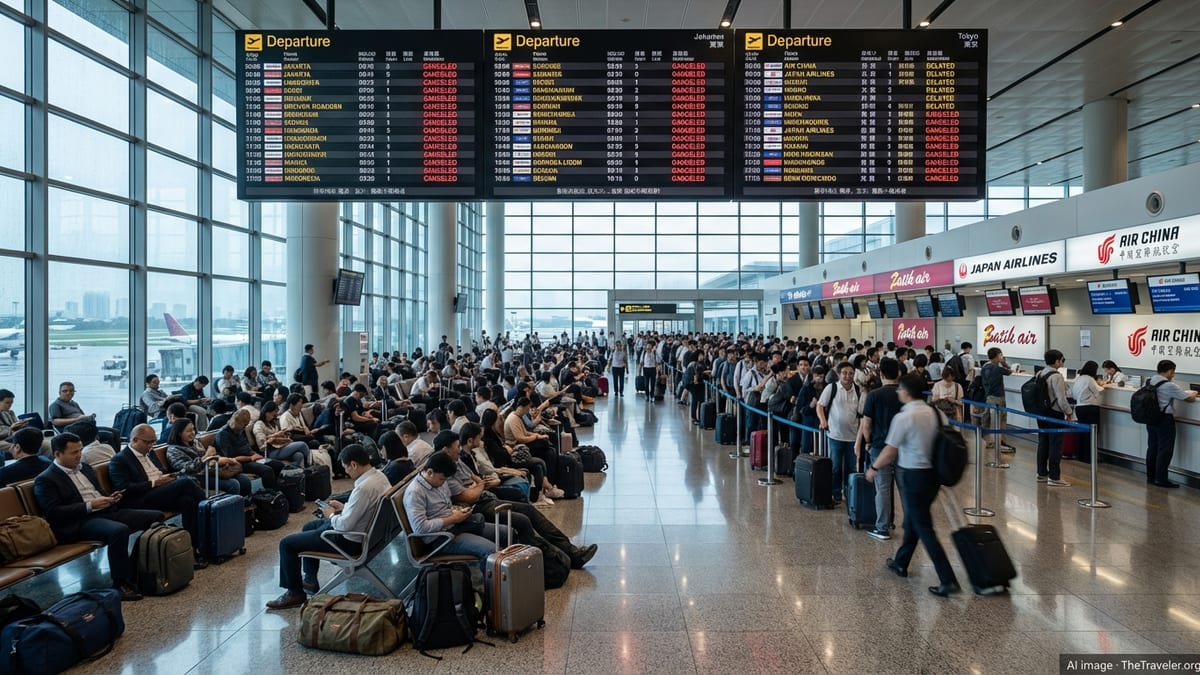
Jakarta Drug Bust Triggers Rapid Response
Reports from Indonesian customs and police indicate that a Malaysian pilot working for Malaysia Airlines was detained at Jakarta’s Soekarno Hatta International Airport in late July 2026 after arriving from Kuala Lumpur. According to published coverage, officers allegedly discovered more than 70,000 ecstasy tablets and other narcotics concealed in the pilot’s luggage during screening at the terminal.
Media accounts describe the pilot, identified by initials in Indonesian reporting, as travelling on a Malaysia Airlines duty roster at the time of the arrest. Urine tests cited in local news reports were said to show traces of methamphetamine, MDMA and cocaine, intensifying public concern that a serving airline pilot may have been involved in both drug use and trafficking.
The arrest immediately raised questions about how such a large quantity of illegal drugs could pass through airport screening in Kuala Lumpur and whether existing safeguards for flight crew are sufficient. Public discussion in Malaysia and Indonesia has since focused on the robustness of security checks for crew members, who often use dedicated screening lanes.
Malaysia Airlines Moves To Reassure Passengers
In the days following the reports from Jakarta, Malaysia Aviation Group, the parent company of Malaysia Airlines, released public statements aimed at distancing the carrier’s operations from the alleged crime. According to news coverage of those statements, the company has stressed that passenger safety was not compromised on the affected flight and that the individual concerned was not in command of the aircraft at the time of the arrest.
Publicly available information indicates that the airline has begun an urgent programme of drug screening across its pool of pilots and selected flight crew. Outlets covering the response report that testing is being intensified on a targeted basis, with managers instructed to prioritise crews operating international routes and high-density services.
Malaysia Airlines has also been described as reviewing its internal disciplinary procedures and cooperation protocols with law-enforcement agencies. By highlighting rapid testing and internal reviews, the carrier appears to be signalling to passengers, regulators and its code-share partners that it is acting swiftly to contain reputational damage and maintain confidence in its safety culture.
Regulatory Pressure Builds Across Southeast Asia
The Jakarta case has unfolded against a broader backdrop of strict anti-drug laws in both Indonesia and Malaysia, where trafficking large quantities of narcotics can carry the death penalty or life imprisonment. Aviation analysts note that the alleged involvement of a commercial pilot in cross-border drug smuggling is likely to intensify pressure on regulators to tighten oversight of airline staff.
According to regional aviation commentary, civil aviation authorities in both countries already require medical examinations and substance screening as part of pilot licensing and renewal. However, the frequency and intrusiveness of random tests vary, and much of the day-to-day enforcement is delegated to airlines, airport operators and security contractors.
Following the Indonesian arrest, industry observers expect regulators to revisit guidance on random testing of pilots, cabin crew and ground personnel who have access to secure areas. Expanded sharing of screening data between airports, airlines and national narcotics agencies is also being discussed in public forums as a way to prevent repeat offenders from moving between carriers or jurisdictions undetected.
Safety Culture and Public Confidence Under Scrutiny
For Malaysia Airlines, the timing of the scandal is sensitive. The flag carrier has spent years rebuilding trust after previous crises and has repeatedly emphasised its commitment to international safety standards. The emergence of a high-profile criminal investigation involving one of its pilots risks undermining that narrative, particularly among travellers in the region who are highly sensitive to safety issues.
Commentary in regional media and online communities reflects a mixture of shock and scepticism, with some contributors questioning how often pilots and crew are actually tested for drugs and alcohol, and whether existing policies are enforced consistently. Others have highlighted the pressures faced by younger pilots, including financial strain and irregular working hours, as potential risk factors for substance abuse.
Aviation safety specialists quoted in news analyses generally stress that the overwhelming majority of flight crew comply with strict professional standards and never come near narcotics. Yet they also argue that a single high-profile breach can erode public confidence, prompting calls for more visible assurance measures such as regular, documented testing and clearer reporting on enforcement outcomes.
What Heightened Screening Means For Travelers
For passengers, the immediate impact of Malaysia Airlines’ emergency screening measures is expected to be limited mostly to behind-the-scenes checks of flight and cabin crew. Industry observers suggest that any operational disruptions, such as last-minute crew changes resulting from positive tests or precautionary suspensions, are likely to be absorbed within existing scheduling buffers.
However, the Jakarta case may influence traveller perceptions of risk in the wider Southeast Asian aviation market. Travel advisors and analysts note that airlines in the region could respond by more prominently advertising their compliance with international safety and drug-testing standards, using transparency as a competitive differentiator for safety-conscious passengers.
In the longer term, expanded screening, closer cooperation with law-enforcement agencies and tighter internal controls on crew behaviour could reshape how airlines in Malaysia, Indonesia and beyond manage workforce risk. The Malaysia Airlines case is already being cited in regional discussions as a warning of the reputational and operational fallout when a single crew member’s alleged actions collide with some of the toughest drug laws in the world.