


More news on this day
Malaysia is positioning itself for a breakout year in 2026, with rising visitor numbers, ambitious tourism targets and a nationwide Visit Malaysia 2026 campaign drawing growing attention from analysts tracking Asia’s next travel powerhouse.
Get the latest news straight to your inbox!
From Recovery Leader to Regional Heavyweight
Recent regional data shows Malaysia emerging from the post‑pandemic period as one of Southeast Asia’s strongest performers in international arrivals. ASEAN tourism statistics for 2024 place the country among the top destinations in the bloc, second only to Thailand in overall visitor volumes, underscoring how quickly the sector has rebounded compared with many regional peers.
Estimates compiled from ASEAN and national tourism reports indicate that Malaysia welcomed around 25 million international tourists in 2024, capturing roughly one fifth of all arrivals to the 10‑member bloc. That figure puts the country comfortably ahead of Singapore and just behind Thailand in absolute numbers, while narrowing the gap created during the years of border closures.
Analysts note that the scale of Malaysia’s recovery is especially notable given the continuing global headwinds facing long‑haul travel. The country has leveraged its established position as a value‑for‑money hub for regional visitors, particularly from neighboring Singapore, Indonesia and Thailand, while also rebuilding traffic from China, India and the Middle East.
Compared with other rapidly growing destinations such as Vietnam, which has climbed to become Southeast Asia’s third‑most‑visited country, Malaysia’s advantage lies in the combination of volume, connectivity and diversification. The latest ASEAN tourism outlooks suggest that by 2026 the country will be competing not only within the region but also with larger Asian markets for a bigger share of global arrivals.
Visit Malaysia 2026 Sets Ambitious Targets
The government has designated 2026 as the next official Visit Malaysia Year, a nationwide campaign framed around sustainable and inclusive tourism. Tourism Malaysia materials describe Visit Malaysia 2026 as a platform to showcase the country’s cultural heritage, natural landscapes and modern city attractions through a calendar of festivals, sporting events and business gatherings across all states.
Policy papers and promotional documents linked to the campaign indicate that authorities are working toward international visitor targets that would surpass pre‑pandemic peaks. While specific final numbers vary across planning documents, projections discussed in regional tourism outlooks suggest an ambition to push well beyond the roughly 26 million arrivals recorded in 2019.
The build‑up to 2026 is already visible on the ground. Domestic campaigns with partners such as city sightseeing operators are being rolled out to stimulate local travel and raise awareness of the upcoming year‑long celebration. Recent coverage of a new promotion using Kuala Lumpur’s hop‑on, hop‑off buses, for example, highlights efforts to encourage Malaysians to rediscover their own cities ahead of the international push.
Tourism strategists argue that the campaign’s timing is deliberate. By anchoring major investments and marketing around 2026, Malaysia is aiming to lock in demand for the second half of the decade, capitalizing on pent‑up regional travel, expanded air capacity and improving consumer confidence.
Infrastructure, Connectivity and New Tourism Corridors
Infrastructure upgrades are central to Malaysia’s bid to consolidate its tourism boom. Expansion projects at Kuala Lumpur International Airport and secondary gateways such as Penang and Kota Kinabalu are designed to accommodate higher traffic volumes from both full‑service and low‑cost carriers. Aviation data and airline announcements point to growing seat capacity from key markets including China, India, the Middle East and intra‑ASEAN routes.
Beyond air links, Malaysia is positioning itself as a hub in emerging overland and cruise corridors. Regional transport agreements within ASEAN are gradually easing cross‑border road travel, which benefits destinations such as Johor, Malacca and the east coast that can be reached from neighboring Singapore and Thailand. New and upgraded highways, as well as rail projects on the peninsula, are expected to improve access to secondary cities that have traditionally seen less international tourism.
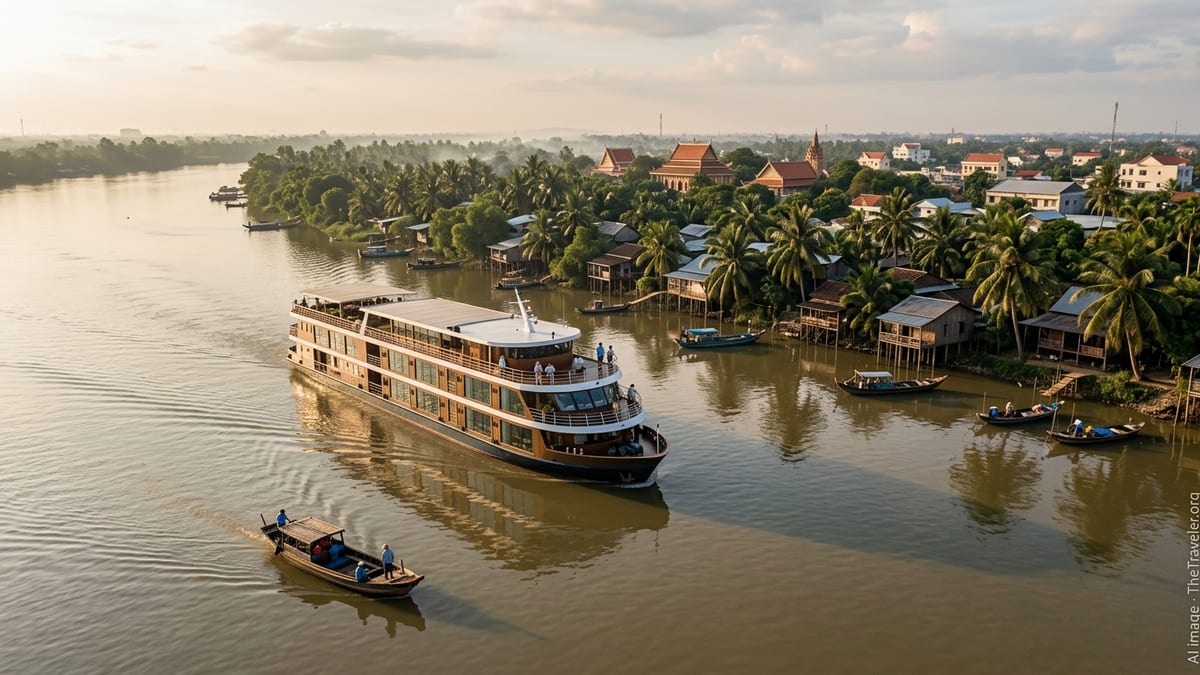
On the maritime side, port authorities and tourism planners are courting more cruise calls in destinations like Penang, Langkawi and Sabah. Industry reports suggest that Southeast Asia’s cruise market is set to expand significantly by the late 2020s, and Malaysia is seeking to capture a larger share by improving terminal facilities and aligning shore excursions with the themes of Visit Malaysia 2026.
These connectivity improvements are accompanied by efforts to diversify the visitor experience beyond established hot spots. State‑level tourism boards are promoting river journeys in Borneo, highland retreats in Pahang and Perak, and cultural heritage trails in smaller historic towns, aiming to spread economic benefits more evenly and reduce pressure on heavily visited islands.
Visa Liberalisation and Competitive Positioning in Asia
Malaysia’s visa policy has become another key pillar of its tourism strategy. In recent years the country has introduced or extended visa‑free entry for several priority markets, including longer visa‑waiver schemes for Chinese and Indian visitors. Regional commentary notes that these steps have placed Malaysia at the forefront of visa liberalisation trends in Southeast Asia, at a time when countries are competing aggressively for high‑spending travelers.
Analysts comparing ASEAN destinations point out that Malaysia’s relatively open entry regime, combined with strong air connectivity, makes it an appealing base for multi‑country trips. Travellers can enter visa‑free, use Kuala Lumpur as a regional hub, and then branch out to neighboring countries by low‑cost flights or overland routes, with many itineraries looping back through Malaysia before departure.
In the broader Asian context, Malaysia is also benefiting from shifts in outbound travel patterns from China, India and the Middle East. Reports tracking Chinese tourism flows in 2024 show that Malaysia is among the top regional beneficiaries of returning Chinese travelers, helped by competitive pricing and a reputation for safety, family‑friendly attractions and Muslim‑friendly services.
Regional tourism outlooks suggest that by 2026 Malaysia will be vying more directly with established Asian giants such as Thailand and Japan for repeat visitors, especially in segments like urban short breaks, food tourism and events. The country’s ability to maintain flexible entry rules and efficient border processing is expected to be a decisive factor in that competition.
Balancing Growth with Sustainability and Local Benefits
As visitor numbers rise, Malaysia faces questions about how to manage growth in ways that protect its diverse ecosystems and ensure that tourism benefits local communities. Policy documents linked to Visit Malaysia 2026 emphasise sustainable tourism principles, referencing alignment with global climate and conservation goals and encouraging investments that minimise environmental impact.
Several states are promoting community‑based tourism, homestays and agro‑tourism initiatives intended to create income opportunities outside major urban centers. By steering at least part of the 2026 visitor surge toward rural experiences and lesser‑known destinations, planners aim to reduce overcrowding in popular islands and highland resorts while spreading revenues more widely.
Environmental groups and industry observers are watching how Malaysia handles challenges such as coastal development, waste management in marine parks and carbon emissions from increased air traffic. Some resort areas have already introduced stricter controls on visitor numbers and coral‑reef access, measures that could be expanded if pressure on fragile sites intensifies during the tourism boom.
The coming two years will be critical in determining whether Malaysia can convert its strong post‑pandemic rebound into a sustainable, high‑value tourism model. If current trends hold, Visit Malaysia 2026 may mark the moment the country moves from being an underrated regional favorite to a fully recognized powerhouse in Asia’s travel hierarchy.