


More news on this day
Passengers travelling through Manchester Airport today, July 27, 2026, are facing a raft of flight cancellations and delays, as operational knock-on effects from international airspace restrictions and peak summer demand continue to disrupt schedules.
Get the latest news straight to your inbox!
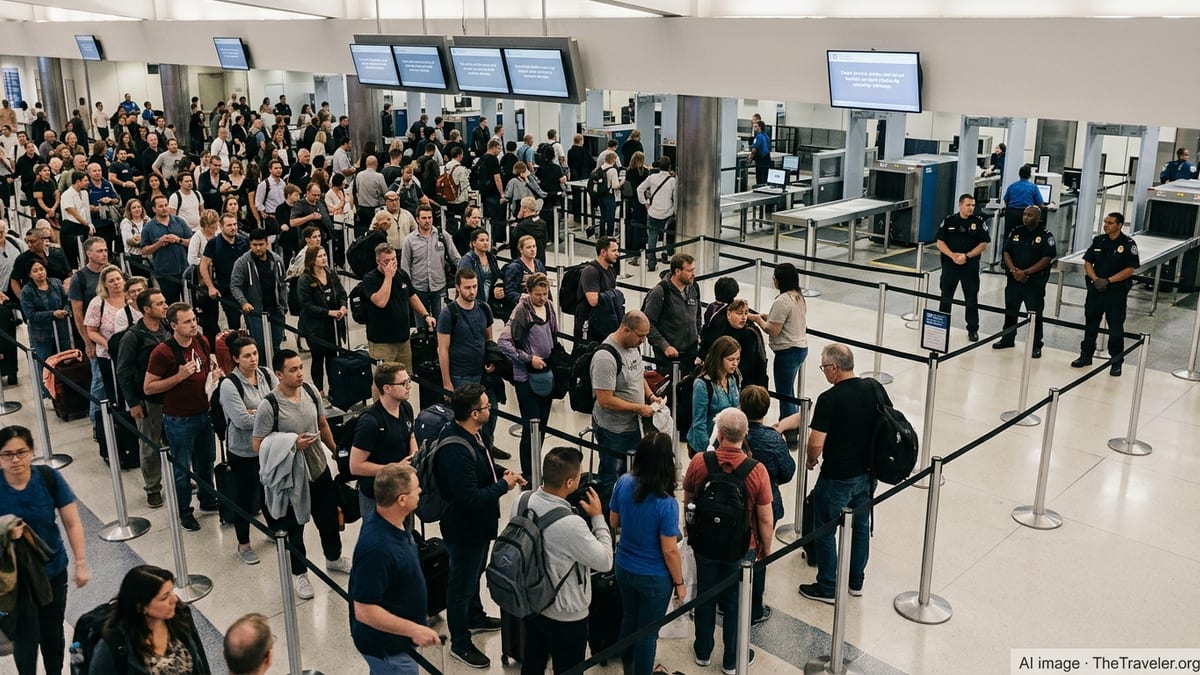
Current picture: Limited cancellations but widespread delays
Publicly available departure and arrival boards for Manchester Airport show a pattern of relatively few outright cancellations so far today, but a significant number of delayed services across short and long haul routes. Many affected flights are departing later than scheduled by between 30 minutes and two hours, with some early-morning disruption feeding into afternoon and evening services.
Data drawn from live flight tracking services and the airport’s own updates indicates that delays are not concentrated on a single carrier or destination. Instead, they are scattered across several major European leisure routes, as well as selected services to the Mediterranean and North Africa, where tight aircraft rotations mean that an earlier late arrival can quickly push back subsequent departures.
Arrivals into Manchester are also running behind schedule on a number of routes, which in turn affects outbound operations. Turnaround times are being extended as airlines work through the backlog, and some flights that were due to leave this morning and early afternoon have been retimed to later in the day to accommodate crew duty limits and aircraft positioning.
While the overall number of cancellations remains modest relative to the airport’s busy summer schedule, the rolling impact of small changes means many passengers are spending longer than planned in terminals, and some are having to rearrange onward rail or coach connections.
Middle East airspace issues ripple through Manchester schedules
Manchester Airport has highlighted the ongoing situation in the Middle East and associated airspace closures as a contributing factor behind some of today’s disruption. Travel information pages for the airport note that restrictions in certain regions are continuing to affect a small number of flights, forcing airlines to reroute or adjust timings where necessary.
Long-haul services that typically overfly parts of the Middle East are among those most exposed to these changes. Re-routed flights can require additional flight time and fuel, and may need revised crew plans, all of which can reduce schedule flexibility for carriers that also operate dense European networks out of Manchester. Even when particular services are not directly cancelled, these operational adjustments can lead to knock-on delays later in the day.
Industry analysis published in recent months has underlined how sensitive busy hubs such as Manchester are to wider geopolitical or airspace events. Today’s pattern of disruption reflects that reality, with some long-haul and connecting services operating, but at adjusted times that place extra pressure on gates, ground handling and passenger connections during the peak holiday period.
For travellers, the result is a patchwork of impacts. Some flights are operating close to schedule, while others are leaving significantly later than advertised or, in a smaller number of cases, being withdrawn altogether and consolidated onto alternative services.
Rail and ground access issues add to travel complexity
While the focus for many passengers is on flights, surface transport to and from Manchester Airport is also seeing its own set of challenges this week, which can complicate journeys for those dealing with delayed or rebooked services. National rail information highlights planned overnight engineering work on routes linking Manchester Piccadilly and Manchester Airport on several nights from late this evening, with services diverted or replaced by buses during the late evening and early morning period.
In addition, separate disruption notices on the wider rail network show that some services between Manchester Airport and destinations such as Blackpool North, Windermere and Barrow in Furness have recently been affected by incidents elsewhere on the line. Although these events are not all occurring today, they illustrate the fragile nature of connectivity for passengers relying on tight connections between delayed flights and regional trains.
Local transport updates from Greater Manchester also flag ongoing works and equipment issues on the tram network, including at the Manchester Airport tram stop. While services are continuing to run, partial closures of escalators or temporary changes to access points can extend transfer times, particularly for passengers with luggage or reduced mobility who are already coping with later flight departures.
Combined, these factors mean that anyone caught up in today’s flight delays may find onward journeys taking longer than expected, even once they are back on the ground. Travel planners and online journey tools are advising passengers to allow extra time and to check the latest information immediately before setting off.
What today’s disruption means for summer travellers
Today’s pattern of cancellations and delays comes at a time when Manchester Airport is handling some of its highest passenger volumes of the year. Industry briefings and government aviation forecasts have pointed to strong demand through summer 2026, with Manchester ranked among the UK’s busiest airports by total destinations served and daily passenger throughput.
With aircraft operating close to capacity and turnaround windows tightly scheduled, even modest disturbances can lead to visible disruption for travellers. Research on airport punctuality and delay prediction has repeatedly found that high traffic density, narrow buffers in timetables and weather or airspace constraints elsewhere can combine to push back departure times, even when local conditions at the airport appear calm.
For holidaymakers and business travellers passing through Manchester today, that translates into a familiar set of travel headaches. Longer security and boarding waits, re-timed flights, and the risk of missed connections are all present, though mitigated to some extent by airlines rebooking passengers and adjusting aircraft allocations where they can. Travel reports suggest that many services are still getting away, but not always at the times printed on tickets when they were first issued.
Analysts note that, as the summer peak continues, similar days of rolling delays are likely whenever there is a fresh external shock or stretch on resources, even if the number of outright cancellations remains relatively low compared with major weather or infrastructure events.
Advice for passengers flying from Manchester today
Given the level of disruption, travel information services and consumer groups are urging passengers due to fly from Manchester today to monitor their journeys closely. Travellers are being advised to check the live status of their flight before leaving home, to make sure any re-scheduled departure times are captured, and to allow extra time for reaching the terminal in case of road or rail issues.
Passenger-rights organisations also point out that, under UK and European air passenger regulations, travellers whose flights are heavily delayed or cancelled may be entitled to care such as meals and accommodation, and in some cases financial compensation, depending on the cause of the disruption and the airline involved. However, they note that airspace closures, severe weather and certain safety or security events can fall outside those compensation rules.
For those already at the airport and facing a long wait, on-screen departure boards and airline notifications remain the primary reference for up to date information about boarding times and gate changes. Travel experts stress the importance of keeping boarding passes and booking references to hand, as these are essential if flights are rebooked or passenger details need to be checked quickly.
With today’s combination of cancellations, shorter-notice delays and wider pressures on the transport network, the main message from publicly available guidance is that passengers should expect some disruption, stay flexible where possible and build extra time into every stage of their journey through Manchester Airport.