


More news on this day
A Manitoba Sheriff Services officer has died after a transport van collided with a freight train on a rural road west of Portage la Prairie, intensifying concern over rail crossing safety in southern Manitoba and prompting several ongoing investigations.
Get the latest news straight to your inbox!
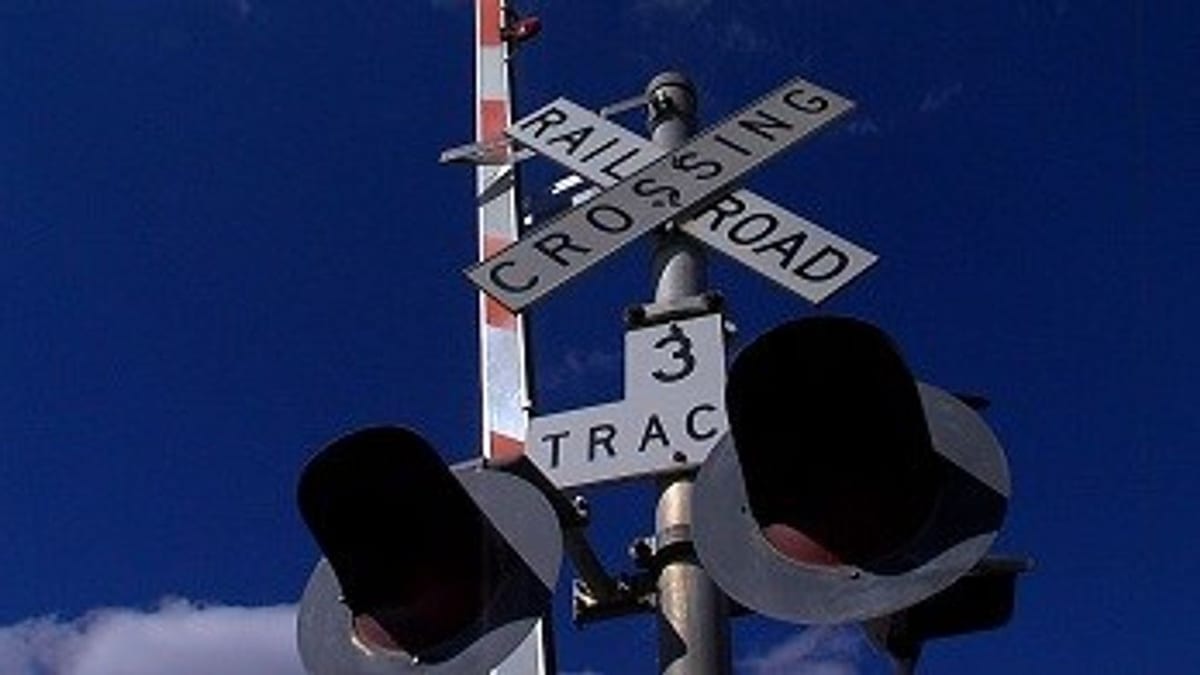
Fatal collision on rural road near Portage la Prairie
According to published coverage, the collision occurred on the morning of July 14, 2026, at a rail crossing on Road 40 West, just north of the Trans-Canada Highway and west of Portage la Prairie. Reports indicate the Manitoba Sheriff Services van was travelling south when it entered the crossing and was struck on the driver’s side by an eastbound Canadian National Railway freight train.
The impact pushed the van into a nearby ditch, where it came to rest on its side. A sheriff’s officer driving the vehicle was pronounced dead, while at least one other officer in the van sustained non life threatening injuries. Publicly available information shows that no serious injuries were reported among the train crew.
Early reports indicate that the crossing where the collision occurred is in a rural area and does not have automated lights or gates, relying instead on standard railway signage. The circumstances surrounding how the van came to be on the tracks as the train approached remain under active review.
Officer identified as community-minded father
Subsequent coverage identified the deceased officer as 31-year-old Randall Matheson Maytwayashing, a Manitoba sheriff and member of Lake Manitoba First Nation. Family accounts reported in local media describe him as a proud father with another child on the way, who was deeply involved with his community and committed to his work in the justice system.
Reports highlight that Matheson Maytwayashing had worked as a sheriff for several years, transporting individuals to and from court and providing security services. Colleagues and relatives quoted in published tributes portray him as someone who “loved everybody,” who balanced the stresses of front line public safety work with strong ties to family and culture.
Ceremonies and vigils have been organized in his home community and in Winnipeg, where friends, relatives and co workers have gathered to honour his service. Publicly available information shows that law enforcement and justice personnel from across Manitoba have expressed condolences and support to the family.
Multiple investigations into cause of the crash
Reports indicate that the collision has triggered several parallel investigations. Manitoba RCMP are examining the road and traffic aspects of the crash, while Canadian National Railway police are reviewing rail operations and train movements at the time of impact. Manitoba Workplace Safety and Health officials are also involved, given that the incident occurred during the course of the officer’s duties.
Investigators are expected to review data from the train, including event recorder information detailing speed, horn use and braking. They are also assessing visibility at the crossing, road conditions, signage placement and the van’s movements in the moments before the impact. Toxicology testing and mechanical inspections of the sheriff’s van may form part of the standard investigative process.
According to local coverage, officials have not yet publicly released conclusions about factors such as speed, distraction or possible misjudgment at the crossing. It may take weeks or months before a final report is issued outlining the sequence of events and any recommended safety changes.
Spotlight on rail crossing safety in rural Manitoba
The death of the sheriff’s officer has renewed attention on rail crossing safety across Manitoba, particularly at rural intersections that lack automated protection. Publicly available data and recent incidents have underscored longstanding concerns about driver awareness, train visibility and infrastructure in sparsely populated regions.
Advocates for improved rail safety have previously pointed to busy freight corridors intersecting with lightly travelled municipal roads, where drivers may be less accustomed to frequent train traffic. In such locations, reliance on passive signs and advance warning markers can leave little margin for error when large, heavy vehicles such as transport vans or buses approach the tracks.
Reports on recent collisions in the province, including high profile highway crashes, have contributed to calls for reviews of traffic engineering, signage and driver training for professional operators. The latest incident involving a sheriff transport van is expected to factor into broader discussions about how to better protect both public safety personnel and the people they transport.
Impact on Manitoba Sheriff Services and justice operations
Manitoba Sheriff Services is responsible for court security, prisoner transport and related duties across the province, often involving long-distance travel between correctional facilities and courthouses. The fatal collision has placed a spotlight on the risks faced by sheriffs who spend many hours on rural highways and secondary roads in a range of weather and traffic conditions.
According to publicly available information, the service has begun reviewing its transport practices in the wake of the crash, including routing, scheduling and safety protocols for rail crossings. While no specific policy changes have yet been detailed in published coverage, observers expect internal reviews to consider additional training or guidance for drivers on approaching passive crossings.
The officer’s death has also had a visible emotional impact within Manitoba’s wider justice and public safety community. Staff in courts, corrections and policing have taken part in moments of silence and memorial observances, reflecting on the hazards inherent in day to day operations that often receive little public attention.
As investigations continue, the collision near Portage la Prairie is being viewed as a pivotal incident for Manitoba Sheriff Services, raising difficult questions about infrastructure, procedure and the balance between routine duties and the unpredictable risks of sharing the road with heavy rail traffic.