


More news on this day
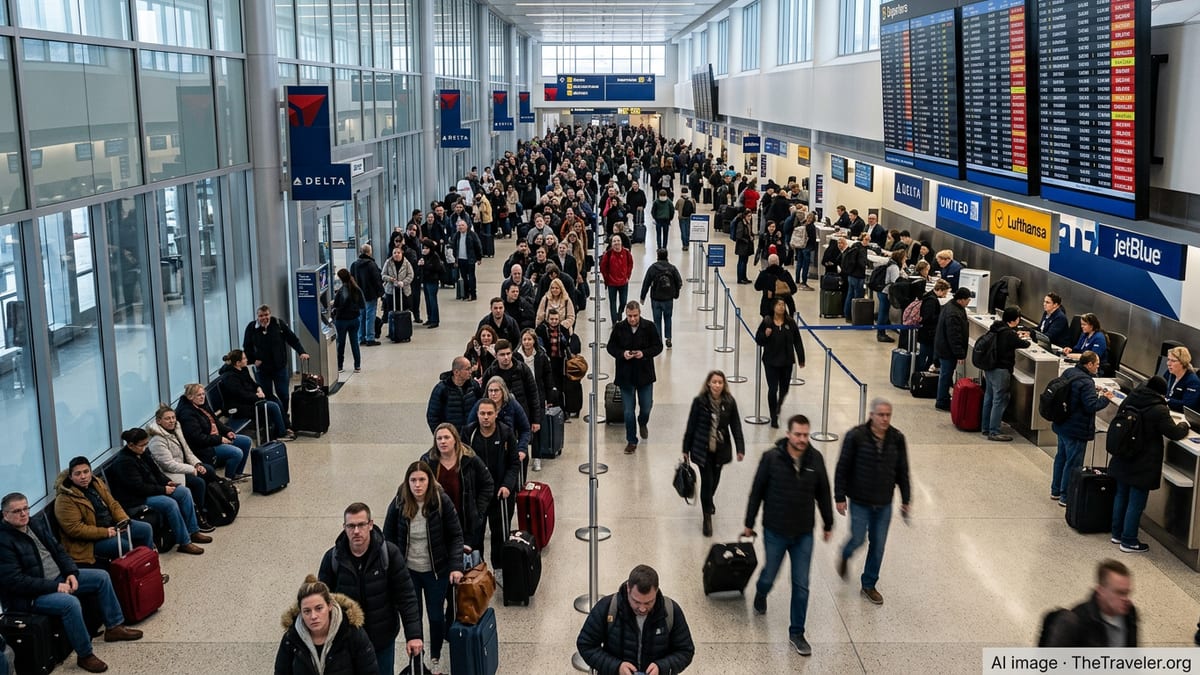
Memorial Day travelers returning home on Monday are encountering clogged highways, weather-related flight disruptions and crowded airports, capping one of the busiest holiday weekends on record across the United States.
Get the latest news straight to your inbox!
Record Numbers on the Move Despite Higher Costs
Publicly available forecasts from AAA indicate that roughly 45 million people planned to travel at least 50 miles for Memorial Day weekend in 2026, the highest total the organization has recorded for the holiday. The projection includes more than 39 million people traveling by car, even as national averages for gasoline sit well above year-ago levels.
National and local coverage of AAA’s outlook notes that higher fuel prices and broader economic uncertainty have not significantly cooled demand for leisure trips. Surveys cited by regional news outlets report that many households adjusted budgets or shortened stays rather than canceling travel outright, helping keep volumes near or above pre‑pandemic norms.
Transportation analysts quoted in recent reports describe Memorial Day as the informal start of the summer travel season, setting the tone for what is expected to be an exceptionally busy stretch that also includes major events such as the 2026 FIFA World Cup. Agencies and travel companies entered the weekend preparing for peak-season conditions on both roads and in the skies.
Highway Congestion Builds Through Holiday Monday
Traffic data summarized by state transportation departments and AAA points to some of the heaviest road congestion arriving on Monday afternoon as travelers return home. Regional advisories in states from Georgia to Wisconsin highlight midday to early evening, roughly noon to 6 p.m., as the most challenging period for drivers, with travel times projected to rise sharply on major interstates.
Local forecasts compiled by outlets such as the Atlanta Journal-Constitution and public radio stations in the Midwest emphasize that Friday afternoon outbound traffic combined with Monday evening return trips created extended slowdowns at traditional chokepoints. Bridges, urban beltways and highway segments already under construction experienced especially long backups.
Some transportation agencies issued detailed lane-closure maps and work-zone warnings ahead of the weekend, urging motorists to plan detours or allow extra time. Memorial Day parades and commemorative events added another layer of temporary closures in many communities, further contributing to delays on local streets near downtown cores and cemeteries.
Guidance shared by AAA and state agencies suggests that drivers who can delay departures until later Monday night, or travel early on Tuesday instead, are likely to see more typical traffic conditions. For many, however, work and school schedules leave little flexibility, concentrating demand into the same already busy hours.
Storms and Volume Slow Air Travel
Air travel has also been strained, with flight-tracking services and aviation briefings showing elevated delays at major hubs over the holiday period. Published data from FlightAware cited in national business coverage indicates that more than four thousand flights nationwide were delayed on Sunday alone, as storms and heavy traffic rippled through the system.
Large coastal and Midwestern hubs have been among the most affected. Reports highlight Chicago O’Hare, New York-area airports, Boston and San Francisco among the facilities experiencing significant schedule disruptions as weather fronts moved through key corridors. Airlines responded by slowing operations, rerouting aircraft and, in some cases, canceling flights outright.
Separate analysis from consumer-rights organizations points to one carrier logging hundreds of delays and a cluster of cancellations on May 24, upending travel plans for passengers connecting across its U.S. and international network. Travel advisories compiled over the weekend warn that similar bottlenecks remain possible as Monday’s return rush peaks, particularly where thunderstorms remain in the forecast.
Federal aviation guidance encourages passengers to check flight status frequently, arrive early for security screening and monitor airport advisory pages for emerging ground stops or flow-control measures. With Transportation Security Administration officials expecting to screen more than 18 million passengers across the broader Memorial Day travel window, long lines and packed gate areas have been common at many airports.
Drivers and Fliers Navigate a Crowded Summer Preview
Across modes, the holiday weekend has underscored how quickly the nation’s transportation network fills to capacity during peak periods. Highway congestion data, flight-delay statistics and TSA checkpoint counts all point to a system operating near its limits when leisure travelers, commuters and freight share the same space and time windows.
Travel experts quoted in recent coverage recommend that motorists use real-time navigation apps, statewide traffic alert systems and 511 services to track incidents and congestion, especially on heavily traveled interstates and toll roads. For air travelers, publicly available airline dashboards and federal tools outlining carrier service commitments can help passengers understand what options exist when delays or cancellations occur.
Despite the frustrations, reports from tourism boards and hospitality groups suggest that hotels, attractions and beach destinations benefited from the surge in demand, with occupancy levels in many popular spots approaching sold-out status. That early-season strength is encouraging for local economies that rely heavily on summer visitors.
With Memorial Day falling on May 25 this year and ushering in several months of heightened travel tied to school breaks and major events, transportation planners are watching closely for lessons. The patterns seen this weekend point to another summer in which planning ahead, traveling outside peak windows where possible and building in extra time will remain essential strategies for anyone heading out on the road or through the airport.