


More news on this day
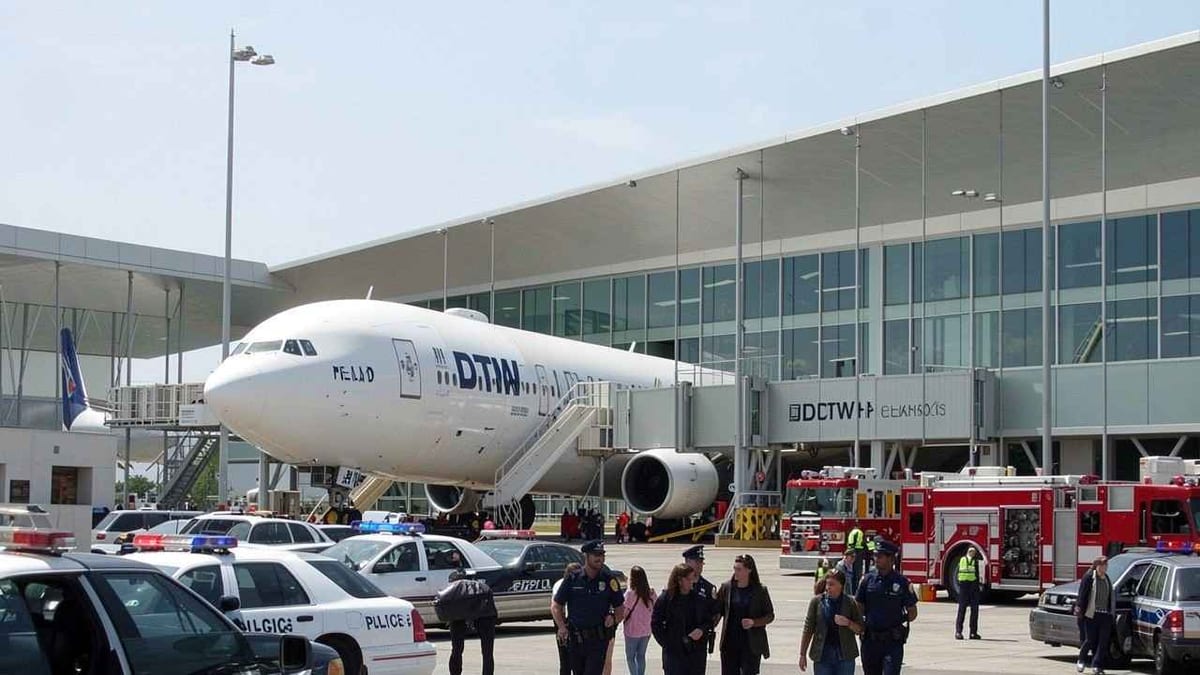
A Mesa Airlines Embraer E175LR operating as Flight ASH4009 from Houston to El Paso made an unscheduled diversion to Midland, Texas, on August 7, prompting questions from passengers and aviation watchers about why the regional jet altered course and how the situation unfolded.
Get the latest news straight to your inbox!
What is known about Flight ASH4009 on August 7
Publicly available flight-tracking data shows that Flight ASH4009 departed from George Bush Intercontinental Airport in Houston on 7 August, bound for El Paso International Airport, following its usual westbound routing across Texas. Operated by Mesa Airlines under the call sign "Air Shuttle," the service was scheduled as a routine regional connection linking two key cities on the Interstate 10 corridor.
En route, the Embraer E175LR changed course and descended toward Midland, a regional hub in West Texas that often serves as an alternate field for flights crossing the state. The diversion resulted in the aircraft landing safely at Midland, where passengers remained on the ground while the situation was assessed. Subsequent tracking data indicates that there was no further airborne leg directly from Midland to El Paso under the ASH4009 designation that day.
Reports from aviation data platforms do not indicate any emergency declaration associated with the flight at the time of the diversion. Instead, the event appears in operational logs as an unscheduled but controlled change of destination, a scenario that is not uncommon in commercial aviation when conditions deviate from plan.
At the time of writing, detailed information about the specific trigger for the diversion has not been formally described in publicly accessible statements. Available information focuses primarily on the flight’s trajectory, timing, and the fact that the aircraft landed without incident in Midland.
Possible reasons for the Midland diversion
While the exact cause for Flight ASH4009’s diversion has not been publicly specified, industry practice and similar recent events suggest several likely categories of explanation. These typically include weather developments along the intended route or at the destination, technical or maintenance concerns that call for a precautionary landing, or operational issues such as crew duty-time limits and airport constraints.
Weather across West Texas can be highly changeable in August, with afternoon convection, low clouds, and storms occasionally affecting approaches into El Paso. When conditions at the destination fall below required thresholds or are forecast to deteriorate around the arrival window, dispatchers may elect to reroute an aircraft to an alternate airport where conditions are more stable.
Another potential factor could be a technical issue flagged by onboard systems or crew observation. In such cases, crews often choose to divert to the nearest suitable airport with appropriate runway length and maintenance support. Midland’s airport infrastructure and its position relative to the Houston–El Paso track make it a logical diversion point for aircraft of the Embraer E175 family.
Operational constraints, such as air traffic flow programs, ground delays at El Paso, or crew duty-time limitations, can also lead to mid-route changes. When an extended holding pattern or significant arrival delay appears likely, rerouting to an airport where passengers can deplane and the aircraft can be serviced may be considered preferable to extended time in the air.
Impact on passengers and onward travel
For travelers on Flight ASH4009, the unexpected landing in Midland most likely resulted in disrupted schedules, missed onward connections, and the need for rebooking or ground transport arrangements. In similar cases, passengers are typically re-accommodated on later flights operated by the same or partner carriers, or provided with options to complete their journey by alternative means.
Given the geography of West Texas, a diversion to Midland places passengers several hours by road from both Houston and El Paso. Depending on aircraft availability, crew hours, and the remaining daily schedule, airlines sometimes choose either to dispatch a follow-on flight, ferry the aircraft onward once any issues are addressed, or arrange ground transportation for affected travelers.
Travelers caught up in diversions are usually advised to monitor airline apps and departure boards closely, as information about replacement flights and gate changes can evolve rapidly. Those with time-sensitive plans often seek assistance at airport service desks to explore options such as rerouting through other hubs or adjusting hotel and car rental bookings.
Although diversions are disruptive, they are handled as part of standard airline contingency planning. Most carriers maintain procedures for meal vouchers, overnight accommodation when required, and communication with passengers when delays extend significantly beyond scheduled arrival times.
Safety context and how diversions protect passengers
In commercial aviation, diversions like that of ASH4009 are generally viewed as evidence of conservative decision-making rather than an indication of elevated risk. When conditions or technical parameters differ from expectations, crews and dispatchers are trained to prioritize safety and predictability by redirecting flights to suitable alternates.
The Embraer E175LR is widely used by regional airlines in North America and has an established safety record in scheduled operations. Diversions involving this aircraft type are more often linked to environmental or operational variables than to underlying design concerns. The type’s range and performance also make it well suited to reaching alternates within Texas when circumstances require a change.
From a passenger perspective, an unscheduled landing can be unsettling, particularly when information is limited in the cabin. Aviation regulators and carriers emphasize that precautionary decisions taken early are preferable to pressing on toward a destination in marginal conditions. The ability to divert, refuel, and reassess is built into the planning of each commercial flight.
For frequent travelers, understanding that diversions are part of routine safety management can help frame these events as controlled responses rather than emergencies. While inconvenient, such decisions are among the tools airlines use to keep risk at acceptable levels across millions of annual flights.
What travelers on similar routes can do
The diversion of Mesa Airlines Flight ASH4009 highlights the importance of planning for contingencies when flying across large and weather-exposed regions such as Texas. Travelers on routes between Houston, Midland, and El Paso can benefit from allowing additional buffer time for connections and time-sensitive commitments, especially during peak thunderstorm seasons.
Maintaining updated contact details within airline profiles and mobile apps can improve the speed and clarity of communication if operations change mid-journey. Push notifications and text alerts are often the quickest way to receive gate updates, delay notices, or revised arrival information during irregular operations.
Passengers with essential commitments, such as international connections or events on the day of arrival, may choose earlier departures in order to preserve flexibility. Travel insurance policies that specifically address missed connections or extended delays can also provide financial protection when diversions and cancellations alter plans.
While the circumstances behind specific events like ASH4009’s diversion to Midland can vary, the broader message for travelers is consistent: modern airline networks are designed to adapt to changing conditions, and understanding how diversions work can help passengers navigate disruptions with more confidence.