


More news on this day
Holidaymakers from the United States and other major cruise markets are facing higher bills this month as Mexico begins phasing in a new cruise tourism tax, adding a fresh layer of fees to itineraries that include popular ports such as Cozumel and Costa Maya.
Get the latest news straight to your inbox!
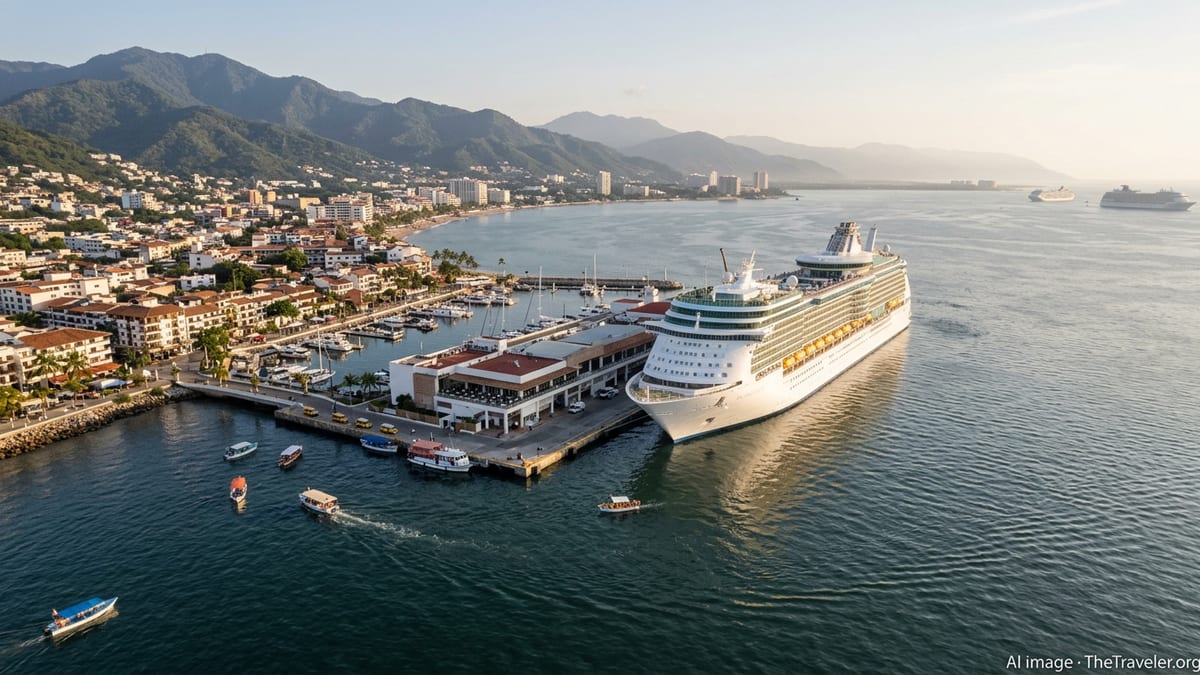
New Levy Targets Cruise Passengers Arriving by Sea
Mexico has introduced a federally backed tax on international visitors arriving by cruise ship, marking a significant policy shift for one of the world’s busiest cruise destinations. The new levy applies to foreign passengers disembarking at Mexican ports and is charged per person, on top of existing tourism and port fees already bundled into most cruise fares.
After months of industry pushback over an initial plan to impose a much higher fee, the government and cruise sector agreed to a stepwise structure. Publicly available information indicates that the tax began at 5 dollars per passenger when it took effect and is scheduled to rise in stages over the next several years, reaching more than 20 dollars toward the end of the decade.
The charge is separate from Mexico’s long standing entry fee for international visitors, which is embedded in airline tickets and land travel packages. Cruise travelers, who were previously exempt, are now explicitly included in the fiscal framework, closing a gap that industry groups say had been under review since before the pandemic.
Authorities have framed the measure as part of a broader effort to modernize tourism taxation and capture revenue from day visitors who do not stay overnight in hotels but still place demands on infrastructure, coastal services and environmental management in port communities.
Higher Holiday Costs for US, European and Latin American Markets
The timing of the rollout means many travelers sailing this month are encountering the new tax for the first time, particularly guests from the United States, Canada and Europe who make up the bulk of passengers on Western Caribbean routes. For many, the additional cost is appearing in the “taxes, fees and port expenses” line of their cruise invoice rather than as a separate on the ground charge.
Trade publications and cruise company advisories indicate that lines are generally building the tax into advertised fares for new bookings, while some passengers who purchased voyages before the final structure was announced are seeing small adjustments or explanatory notices. For a family of four, the fee at current levels can add tens of dollars to the total bill, with larger increases expected as the staged rises take effect.
The impact is especially notable for budget conscious US travelers sailing shorter three to five night itineraries out of Florida, Texas and Louisiana. On these lower base fare cruises, even a modest per passenger charge can represent a visible percentage increase in the overall package price, particularly when combined with existing port charges and onboard gratuities.
Travel industry analysts note that visitors from other source markets, including South America and Europe, are similarly affected, but US passengers are most exposed because of the country’s dominant share of Mexico bound cruise traffic and the sheer number of seasonal departures that include at least one Mexican port call.
From 42 Dollars to a Stepped Schedule After Industry Pushback
Mexico’s cruise tax has undergone a turbulent path to implementation. Early government decrees outlined a flat fee of around 42 dollars per passenger, a level that cruise associations argued would have been more than double the average charge at competing Caribbean ports. Sector groups warned publicly that such a move could lead to the loss of millions of passengers and thousands of ship calls as lines reprogrammed itineraries.
Following months of negotiations, reports from cruise trade outlets and business organizations in Mexico describe a compromise arrangement under which the tax launches at 5 dollars per passenger and then climbs gradually in the coming years. Key milestones published by industry bodies point to an increase to around 10 dollars in 2026, 15 dollars in 2027 and a final target of roughly 21 dollars by 2028.
The scaled approach is being presented by business chambers as a more “responsible” means of raising revenue while preserving Mexico’s competitiveness. Cruise operators, for their part, have signaled publicly that the lower starting rate and predictable schedule make it easier to plan pricing, although some continue to express concern about the cumulative effect of multiple new taxes across the region.
The compromise also reflects Mexico’s balancing act between leveraging cruise tourism as a fiscal resource and maintaining its status as a marquee destination for major lines, which are investing in new terminals and private island style experiences throughout the Western Caribbean.
Revenue Aimed at Infrastructure, Security and Local Economies
Mexican government communications and regional coverage suggest that a portion of the cruise tax revenue is earmarked for infrastructure, safety and environmental projects in port areas. References in policy documents link the levy to improving maritime facilities, supporting coastal communities and, in some cases, channeling funds through the country’s defense led public works apparatus, which has been tasked with building transport projects in recent years.
Business associations in Mexico have endorsed the measure as a way to strengthen local economies that depend heavily on day trippers. Many small vendors, tour operators and transport providers rely almost entirely on cruise calls, and proponents argue that channeling a modest per passenger fee back into services and infrastructure can enhance visitor experiences and encourage repeat travel.
Critics, however, question the transparency of how the funds will be used and warn of the risk that rising costs could eventually encourage cruise lines to favor alternative destinations in Central America and the Caribbean. Environmental groups have also raised concerns that increased cruise volume, regardless of taxation, could put further pressure on fragile marine ecosystems unless revenue is explicitly tied to conservation projects.
For now, the fiscal design remains a work in progress, with federal officials and business chambers emphasizing that the phased increases are intended to give the market time to adjust while allowing authorities to monitor any impact on ship calls and passenger volumes.
What Cruise Passengers Need to Know This Month
For travelers sailing this month, the main practical change is financial rather than procedural. The new tax is generally collected behind the scenes by cruise companies and remitted to Mexican authorities, rather than being charged directly at the pier. Most passengers will see the cost folded into their fare breakdown under existing tax and port fee categories.
Prospective travelers are being advised by cruise specialists and consumer advocates to read pricing details carefully, especially on promotions that emphasize low base fares. Because the per person tax is fixed, it can make a bigger difference on short, heavily discounted sailings than on longer, higher priced voyages where the fee is a smaller share of the total cost.
Travel planners note that citizens of the United States and other major cruise source markets do not need to complete any additional paperwork specifically for the cruise tax beyond standard travel documentation. However, they recommend factoring the new levy into overall holiday budgets alongside fuel surcharges, gratuities and optional shore excursion costs.
As the staged increases unfold over the next two years, the effect on pricing is expected to grow, particularly for families and groups. Observers say that while a 5 dollar fee is unlikely to alter booking decisions for most US travelers in the near term, higher brackets scheduled for 2027 and 2028 could prompt more careful comparison between Mexican routes and alternative Caribbean itineraries if overall travel costs continue to climb.