


More news on this day
Miami International Airport is entering a third day of severe disruption after an Amazon-branded cargo jet overran a runway on September 6, leaving five people dead and forcing the closure of two of the airport’s four runways.
Get the latest news straight to your inbox!
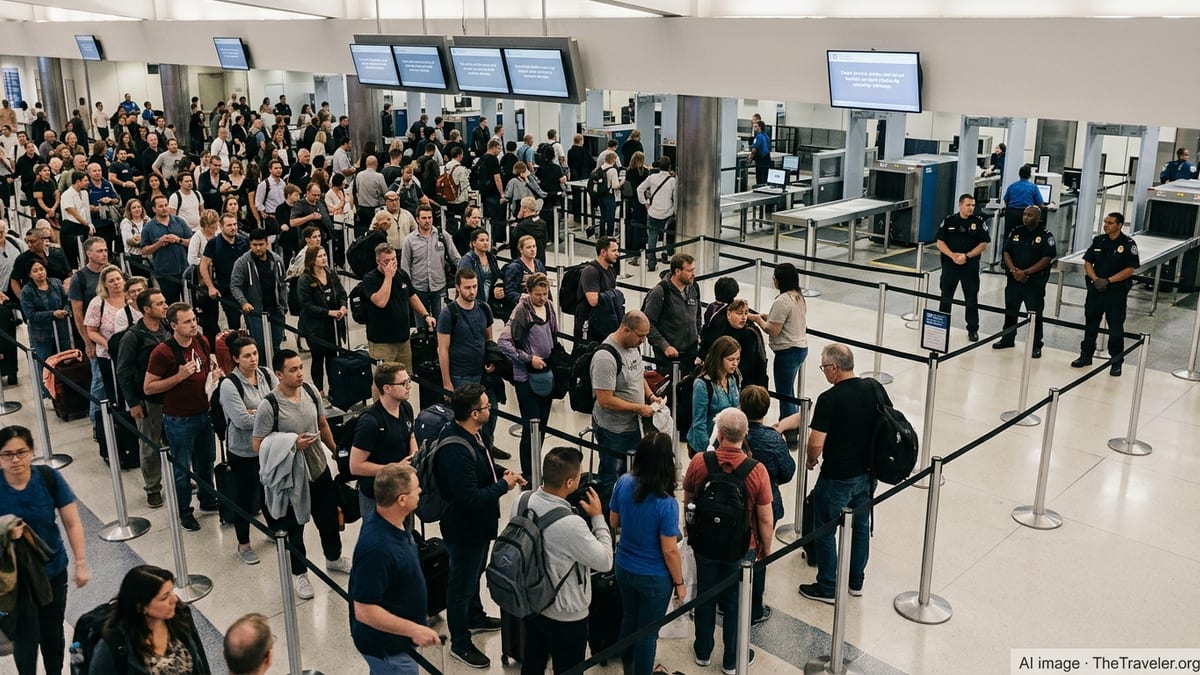
Runway Closures Trigger Prolonged Flight Disruptions
Publicly available information from the Miami-Dade Aviation Department and local media indicates that two of Miami International Airport’s four runways remained out of service on Tuesday, September 8, following Sunday’s fatal cargo plane crash. The closures are focused on the northwestern side of the airfield, where the Boeing 767 freighter came to rest after overrunning Runway 30 and striking multiple vehicles beyond the pavement.
Reports from local outlets describe lingering delays and cancellations as airlines continue to work around the reduced runway capacity. Data shared in published coverage on Monday already showed hundreds of flights delayed or canceled, and those disruptions are extending into Tuesday’s schedules as carriers reposition aircraft and crews that were stranded or diverted during the initial ground stop.
Travel coverage from South Florida outlets notes that the Federal Aviation Administration had imposed a full ground stop at Miami International Airport shortly after the crash on Sunday afternoon, halting all arrivals and departures for several hours. While limited operations resumed later that day as two runways reopened, the continued closure of the remaining pair is constraining the airport’s ability to return to normal flow at the tail end of the busy Labor Day travel period.
What Is Known About the Fatal Cargo Flight
According to summaries from the National Transportation Safety Board and multiple news reports, the accident involved a Boeing 767-300 freighter operating as a cargo flight for Amazon’s air network. The aircraft, flown by North Carolina-based 21 Air, was arriving from San Juan, Puerto Rico, when it landed on Runway 30 at Miami International Airport on Sunday, September 6.
Investigators’ preliminary descriptions, as relayed in official online dockets and media briefings, state that the widebody jet failed to stop within the available runway distance, overran the pavement and continued beyond the safety area. The aircraft then crossed a perimeter road and crashed through fencing, colliding with a van transporting workers from an aircraft cleaning company and at least one sport utility vehicle outside airport property, before coming to rest and erupting in flames.
Published accounts from national and local outlets report that five people were killed and five others injured in the crash and ensuing fire. Victims included occupants of the ground vehicles and members of the flight crew. Images and video shared by news organizations and on social media show a large debris field, sections of destroyed fencing and scorched terrain adjacent to the runway.
Impact on Passengers and Airlines
Passenger experiences described in travel coverage from Sunday and Monday highlight long lines, crowded gate areas and extensive rebooking challenges as airlines tried to absorb the shock of the sudden capacity loss. One runway reopened late Sunday afternoon, followed by a second shortly afterward, but the initial full closure forced diversions to airports across the Southeast and left crews and aircraft out of position for subsequent flights.
Local news reports on Monday detailed hundreds of delays and cancellations at Miami International Airport as carriers adjusted to the ongoing closure of half the airfield’s runways. Flight-tracking snapshots referenced in those reports showed knock-on effects into Monday evening, with some long-haul international services operating with substantial delays and others canceled outright when crew duty limits were reached.
Public guidance referenced in regional coverage urges travelers scheduled to fly through Miami this week to monitor their airline’s apps and websites frequently, arrive earlier than usual and be prepared for last-minute gate or schedule changes. With two runways still unavailable, any additional weather or air traffic constraints have less margin to be absorbed, increasing the risk of continuing cascading disruptions.
Ongoing Federal Investigation and Safety Focus
The National Transportation Safety Board has opened a major investigation into the crash, with an investigative team deployed to Miami. The agency’s online case summary for the event, listed under investigation ID DCA26MA352, confirms that the accident occurred on September 6 and categorizes it as a runway overrun of a Boeing 767 cargo aircraft operating under U.S. commercial cargo regulations.
According to the NTSB’s public materials and reporting by aviation industry outlets, investigators are expected to examine a wide range of factors, including the aircraft’s speed and configuration on approach, runway conditions, braking performance, and possible mechanical or human factors. The cockpit voice recorder and flight data recorder are central to that effort and will be analyzed at NTSB laboratories once recovered.
Aviation analysts quoted in published coverage note that runway overruns involving large transport aircraft are a persistent safety concern worldwide, particularly at high-traffic airports where runway occupancy times and braking performance are closely managed. The Miami event is drawing attention because the aircraft crossed airport boundaries and collided with vehicles on an adjacent roadway, raising questions about land use, barrier design and protection for people on the ground around major hubs.
Why Miami’s Reduced Capacity Matters for Travelers
Miami International Airport is one of the busiest gateways in the United States for international passengers and a top cargo hub in the Americas, handling thousands of daily movements in peak periods. With only half of its runways currently in service, the facility’s ability to absorb heavy schedules, summer thunderstorms and peak travel surges is significantly reduced, according to air traffic analyses and previous federal capacity assessments.
Recent Federal Aviation Administration documents on airport construction and capacity planning referenced Miami as an airfield where runway and ramp configuration already require careful management to avoid delays. The temporary loss of two runways following the cargo crash is therefore amplifying pressure on the remaining infrastructure, particularly during morning and evening banks of international arrivals and departures.
Travel analysts and airline-focused publications note that disruption at Miami tends to ripple across airline networks, especially for carriers using the airport as a hub for connections to Latin America and the Caribbean. Until all four runways are back in operation and damaged areas are cleared, passengers across the United States and in nearby regions are likely to continue seeing Miami-related delays and aircraft substitutions on some routes.
NTSB Investigation DCA26MA352: Runway overrun of 21 Air Flight 7598 at Miami International Airport
FreightWaves: Two Miami runways still closed after deadly Amazon cargo jet accident
NBC 6: Amazon cargo plane crash leads to travel disruptions at Miami International Airport