


More news on this day
Passengers traveling through Montréal–Trudeau International Airport in mid-June 2026 have faced mounting disruption as publicly available flight data shows at least 13 cancellations and more than 100 delays affecting services operated by Jazz, Air Canada and Porter Airlines during the busy early summer period.
Get the latest news straight to your inbox!
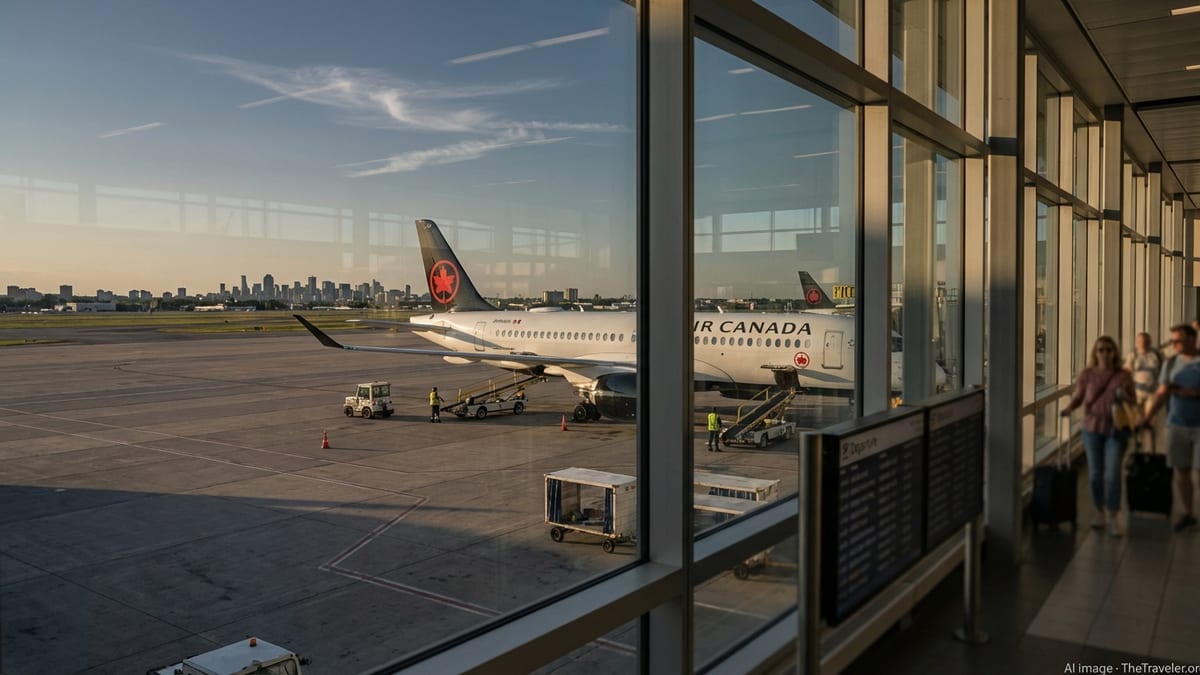
Wave of Disruptions Hits Peak Summer Travel
The latest operational data for June 2026 indicates that Montreal–Trudeau has experienced a sustained spell of irregular operations, rather than a single isolated incident. Over several days in the second week of June, at least 13 flights were cancelled outright while more than 100 departures and arrivals were recorded as significantly delayed. The impact has rippled across domestic, transborder and select transatlantic routes.
Flight-tracking boards and airport information for June 13 and the surrounding dates point to repeated schedule pressures as aircraft arrived late from other hubs and then departed Montreal behind schedule. Services operated by Jazz on behalf of Air Canada, mainline Air Canada flights and a growing number of Porter Airlines departures all appear in the lists of delayed or cancelled movements.
The pattern is particularly disruptive for travelers relying on tight connections through Montreal to reach secondary Canadian cities or key hubs such as Toronto and Vancouver. Even modest delays on early morning departures can cascade throughout the day, leading to missed onward flights and rebookings that strain available seat capacity during a high-demand travel period.
The figures emerging in mid-June follow earlier episodes of disruption at the airport, suggesting that Montreal–Trudeau is under sustained operational pressure as airlines ramp up their summer schedules and as passenger numbers climb toward pre-pandemic levels.
Jazz, Air Canada and Porter at the Center of Schedule Strain
Regional operator Jazz, which flies under the Air Canada Express banner, has been prominently affected. Publicly accessible records for June 13 and 14 show multiple Jazz-operated services from Montreal to nearby Canadian destinations delayed or cancelled, including flights to cities such as Quebec City, Fredericton and Ottawa. Because these regional flights often feed passengers into longer domestic or international legs, any schedule disruption can have an outsized effect on travel plans.
Air Canada’s mainline network from Montreal has also encountered headwinds. Long-haul and transborder routes, including services linking Montreal to major centers like Toronto, Los Angeles and European hubs, appear among those reporting late departures or extended arrival delays. When inbound aircraft are held up at congested overseas or North American airports, outbound journeys from Montreal are pushed back, compressing turnaround times and leaving little margin to absorb additional issues.
Porter Airlines, which has been expanding its footprint in the Montreal region, is likewise navigating an unsettled operating environment. Schedules show a mix of Porter flights into and out of Montreal–Trudeau and the new Montreal Metropolitan Airport, with some Trudeau departures subject to delay or adjustment as the carrier rebalances capacity between the two airports. For passengers, the distinction between airports becomes critical when irregular operations force last-minute changes to routings or departure points.
The combination of regional feeders, national trunk routes and newer competitors all sharing limited runway and gate capacity means that even a relatively small number of cancellations can quickly absorb spare aircraft and crew, leaving airlines with limited flexibility when weather, congestion or technical issues arise.
New Montreal Metropolitan Airport Adds Complexity
The June turbulence at Montreal–Trudeau is unfolding against the backdrop of a significant shift in the region’s aviation landscape. In mid-June 2026, Porter Airlines launched commercial services from the new Montreal Metropolitan Airport on the South Shore, adding an alternative gateway for passengers and relieving some pressure from Trudeau. Schedules list a range of domestic routes from the new facility, including high-frequency links to Toronto and other Canadian cities.
While the launch of a second passenger airport is expected to improve long-term resilience, the transition period introduces new complexities. Some Porter flights that previously operated from Trudeau have been moved to the new airport, while others remain at the existing hub. Travelers must pay close attention to their departure airport, particularly when rebooked after a delay or cancellation, to avoid confusion and missed flights.
Operational data and published coverage suggest that the coexistence of two Montreal-area airports could gradually rebalance traffic flows, especially for domestic and regional services. However, Trudeau remains the primary international gateway, concentrating long-haul and many transborder flights. As long as most widebody and key connecting services continue to operate from Trudeau, that airport will remain acutely sensitive to any disruption across the broader North American and European air traffic networks.
For now, the early weeks of the new airport’s operation are coinciding with mounting schedule challenges at Trudeau, making it difficult to determine how much immediate relief the additional capacity will provide for passengers caught up in the June disruptions.
Passenger Impact: Missed Connections and Rebooking Challenges
For travelers, the statistical tally of 13 cancellations and over 100 delays translates into missed weddings, business meetings and family events. Publicly available accounts and prior episodes at Montreal–Trudeau illustrate how a single cancellation on a regional route can strand passengers overnight, particularly in smaller communities with limited alternative services. When disruptions occur on weekend or evening departures, options for same-day rebooking are often scarce.
According to online consumer guidance and airline policy documents, passengers facing significant disruption generally have a menu of potential remedies that depend on the cause and length of the delay as well as the jurisdiction governing the ticket. In Canada and on flights touching the European Union or the United States, certain delays, cancellations and denied boardings may trigger compensation, duty of care obligations or rerouting rights under national or regional rules, provided the disruption is within the carrier’s control.
However, the practical experience of many travelers shows that asserting these rights can be time-consuming, particularly when long lines form at airport service desks after a wave of delays. Call centers and online chat services are often overwhelmed at peak times, and some passengers report securing faster assistance by using airline apps or social media channels to request rebooking or vouchers.
For those with tight onward connections, the choice is often between accepting a lengthy reroute, paying out of pocket for an alternative airline, or adjusting their plans entirely. The June pattern of disruption at Montreal–Trudeau highlights the value of scheduling longer connection windows, especially for itineraries that involve separate tickets, regional feeders or long-haul segments prone to knock-on delays.
Operational and Structural Factors Behind the Chaos
The underlying drivers of the June 2026 turbulence at Montreal–Trudeau appear to be a blend of structural and day-to-day operational issues rather than a single dramatic failure. Industry analyses and previous travel seasons point to tight crew and aircraft availability, congested airspace at major North American and European hubs, and weather interruptions that can strand planes and crews far from their planned locations.
Regional carriers such as Jazz operate with finely tuned schedules that maximize aircraft utilization but leave relatively little slack when an aircraft or crew member ends up out of position. Mainline airlines face similar challenges on long-haul routes, where a late inbound from Europe or South America can disrupt the rest of the day’s program from Montreal. Porter’s concurrent growth and network shift toward the new Montreal Metropolitan Airport add another layer of complexity as aircraft cycles and staffing patterns are adjusted.
Infrastructure constraints at Montreal–Trudeau, including limited runway and gate capacity during peak periods, mean that recovery from disruption can be slow. When several delayed flights arrive in quick succession, ground services, baggage systems and security queues all come under strain, increasing the risk of further knock-on delays for later departures.
With schools letting out and summer holidays beginning across Canada and abroad, June is one of the most time-sensitive months for leisure travel. The convergence of peak demand, airline growth, new airport openings and fragile schedules at Montreal–Trudeau has created conditions in which a relatively modest number of cancellations and a cluster of delays can feel like a full-blown crisis to the travelers caught in the middle.