


More news on this day
New Zealand has eased its warning on travel to the United Arab Emirates, lifting guidance that had urged citizens to avoid non-essential trips, even as official advisories continue to highlight an unpredictable security situation across the Middle East.
Get the latest news straight to your inbox!
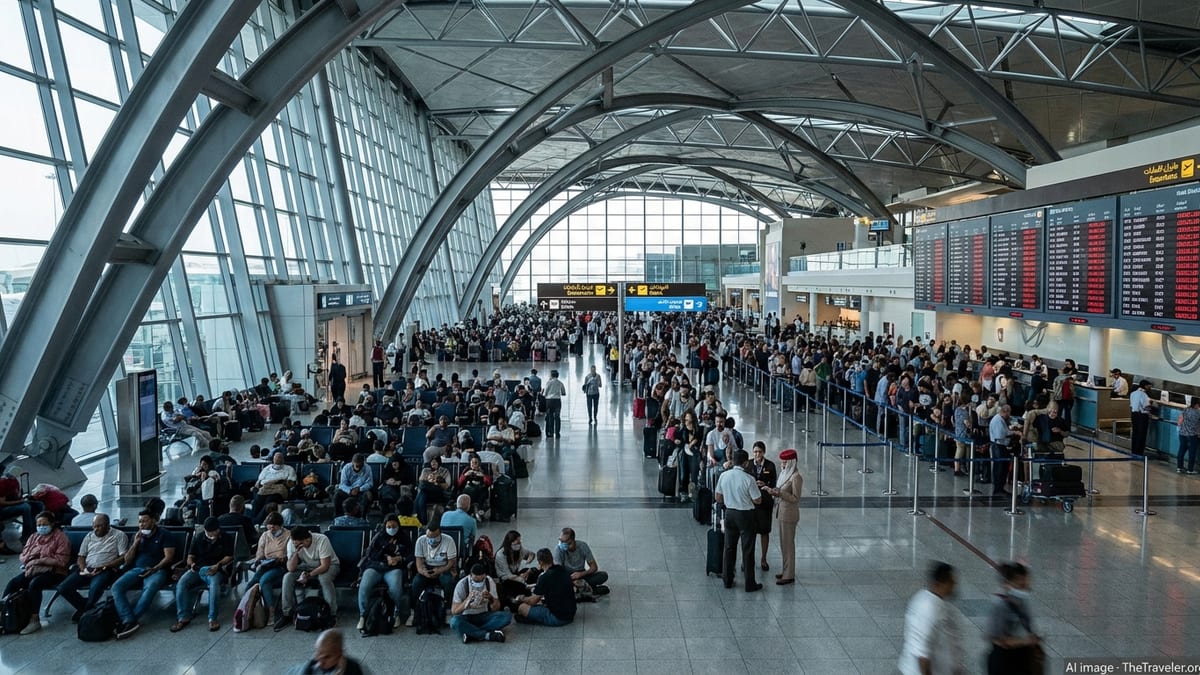
Shift in Wellington’s Travel Advice
According to recent coverage of New Zealand’s travel posture, the government has removed language advising against non-essential travel to the United Arab Emirates, a destination that has remained popular with New Zealand leisure and transit passengers despite regional conflict. The move follows months in which the UAE was grouped with a broader set of Middle Eastern locations facing heightened risk linked to military confrontation between the United States and Iran.
SafeTravel, the New Zealand government’s official advisory portal, still describes the Middle East security environment as highly volatile, with warnings that military strikes and reprisal attacks have occurred in multiple locations and could resume with little notice. However, its dedicated page for the United Arab Emirates now focuses on precautions rather than blanket avoidance, reflecting a recalibration rather than a return to pre-conflict normality.
Reports indicate that the change aligns New Zealand more closely with partners that have already refined their language on Gulf destinations, shifting from broad regional restrictions toward more granular country-level assessments. While Lebanon, Israel and Iran remain subject to the strongest warnings, the UAE has moved into a category where travel is permitted but subject to enhanced vigilance.
Travel industry analysis suggests the updated advisory is likely to be read as a vote of confidence in the country’s tourism and aviation infrastructure, which continued operating through periods of regional tension, albeit with intermittent airspace disruptions and revised flight paths.
Popular Hub Reopens for Kiwi Travellers
The United Arab Emirates, and particularly Dubai and Abu Dhabi, functions as a major long-haul hub for New Zealanders connecting between Australasia, Europe, Africa and parts of Asia. Carriers based in the Gulf play a central role in linking New Zealand with destinations that do not have direct services, making the country’s risk rating disproportionately important for outbound travel planning.
Published commentary from regional tourism officials and booking platforms indicates that demand for the UAE remained resilient even when New Zealand’s advice was at its most restrictive, with travellers sometimes re-routing through Asian hubs when travel insurance or employer policies restricted transits via the Gulf. The easing of Wellington’s guidance is expected to reduce such workarounds, simplifying itineraries for both leisure and business passengers.
Airlines operating through Dubai and Abu Dhabi have already adjusted schedules several times in response to airspace closures and evolving overflight rules in nearby conflict zones. While these changes occasionally lengthened flying times or required last-minute rebookings, publicly available timetables for the coming northern winter season show carriers planning a largely restored long-haul network through the UAE.
For New Zealand-based tour operators selling multi-stop itineraries that combine Europe with stopovers in the Gulf, the updated advisory provides clearer footing for marketing and insurance compliance. Several industry assessments expect packaged holidays featuring Dubai city stays or Abu Dhabi beach resorts to regain prominence in early 2027 brochures if the current level of advice is maintained.
Risk Remains Elevated Across the Region
Despite the softer stance on the UAE itself, information published by SafeTravel and the Ministry of Foreign Affairs and Trade underlines that the wider Middle East remains a high-risk environment. A standing security notice updated in early September 2026 stresses that regional tensions involving Israel, Iran and their respective partners could escalate quickly and that new military activity could disrupt air routes, airports and key transit hubs.
The advisory system continues to differentiate sharply between destinations. Israel and the Occupied Palestinian Territories retain severe warnings, with authorities stating that the security situation is unpredictable and could deteriorate rapidly. Separate guidance covering Lebanon and Iran also urges New Zealand nationals to avoid travel, and earlier messages have encouraged those already present to leave while commercial options remain.
By contrast, the UAE notice now emphasises preparedness rather than withdrawal. It urges travellers to monitor local media and alert systems, identify shelter locations, and ensure they can respond quickly if hostilities affect aviation assets or critical infrastructure. The language reflects an assumption that while the country itself is not a primary theatre of conflict, its role as a regional hub leaves it exposed to spillover risks.
Officials have previously highlighted the possibility of airspace closures or missile-related disruptions affecting US-linked locations and critical infrastructure across the Gulf. For New Zealanders, this means that even a short visit or transit through the UAE requires contingency planning, particularly during periods of heightened regional tension.
Insurance, Itineraries and Practical Considerations
Public information from SafeTravel stresses the need for comprehensive travel insurance that explicitly covers travel to and through Middle Eastern destinations, including disruptions tied to security events. Some policies adopted broad exclusions during the height of the conflict, leaving travellers to absorb the cost of rerouting or extended accommodation when flights were cancelled at short notice.
Travel agents in New Zealand report that insurers have gradually refined their wording, with more products now distinguishing between very high-risk destinations and countries such as the UAE where commercial aviation and tourism are largely functioning. Even so, travellers are being urged to check whether their cover includes medical evacuation, flight diversions, and additional accommodation expenses arising from security incidents along their route.
Potential visitors are also being encouraged, through official advisories and airline communications, to maintain flexible itineraries. This can include booking changeable tickets, allowing longer connection windows, and having a back-up plan in case a particular Gulf hub experiences a short-notice suspension of operations. Given the interconnected nature of long-haul networks, a disruption in one Middle Eastern hub can quickly cascade across routes linking New Zealand with Europe and Africa.
Immigration New Zealand has separately issued guidance for temporary visa holders affected by flight disruptions from the Middle East, indicating that travellers should take timely steps to remain lawful if delays extend their stay beyond visa expiry. This reflects the broader view that while New Zealand’s border is operating normally, global aviation remains vulnerable to shocks from persistent geopolitical tensions.
Tourism Prospects Amid Lingering Uncertainty
Travel industry observers view New Zealand’s shift on the UAE as part of a wider, gradual recalibration of global tourism flows in response to the Middle East conflict. Reports from international tourism bodies suggest that some destinations in the region have seen sharp downturns in arrivals, particularly those closer to active conflict zones, while others such as the Gulf hubs have focused on reinforcing perceptions of safety and service reliability.
For the UAE, New Zealand’s revised advisory is likely to be welcomed as a signal that its extensive security and aviation protocols are being recognised by long-haul markets. Hotel performance data cited in regional business coverage point to a recovery trajectory, albeit from a weakened base, with investment continuing in major visitor attractions and infrastructure.
From a New Zealand perspective, the decision to ease the travel warning reflects a balancing act between safeguarding citizens and acknowledging the importance of reliable long-haul connectivity for trade, education and tourism. Observers caution that the stance could tighten again if the regional security picture deteriorates, but for now it marks a modest opening for travellers eager to resume familiar stopovers on their way between the Southern Hemisphere and the Northern Hemisphere.
With SafeTravel continuing to highlight the possibility of rapid change, experienced operators recommend that New Zealanders treat the UAE as accessible but not risk-free. The updated advice broadens options for holidaymakers and business travellers, while underscoring that careful planning and close attention to official updates remain essential when heading anywhere in the wider Middle East.