


More news on this day
Departing flights from Newcastle International Airport experienced delays on Monday, September 21, 2026, after a technical issue at National Air Traffic Services’ Prestwick centre in Scotland prompted air-traffic restrictions that rippled across parts of northern UK airspace.
Get the latest news straight to your inbox!
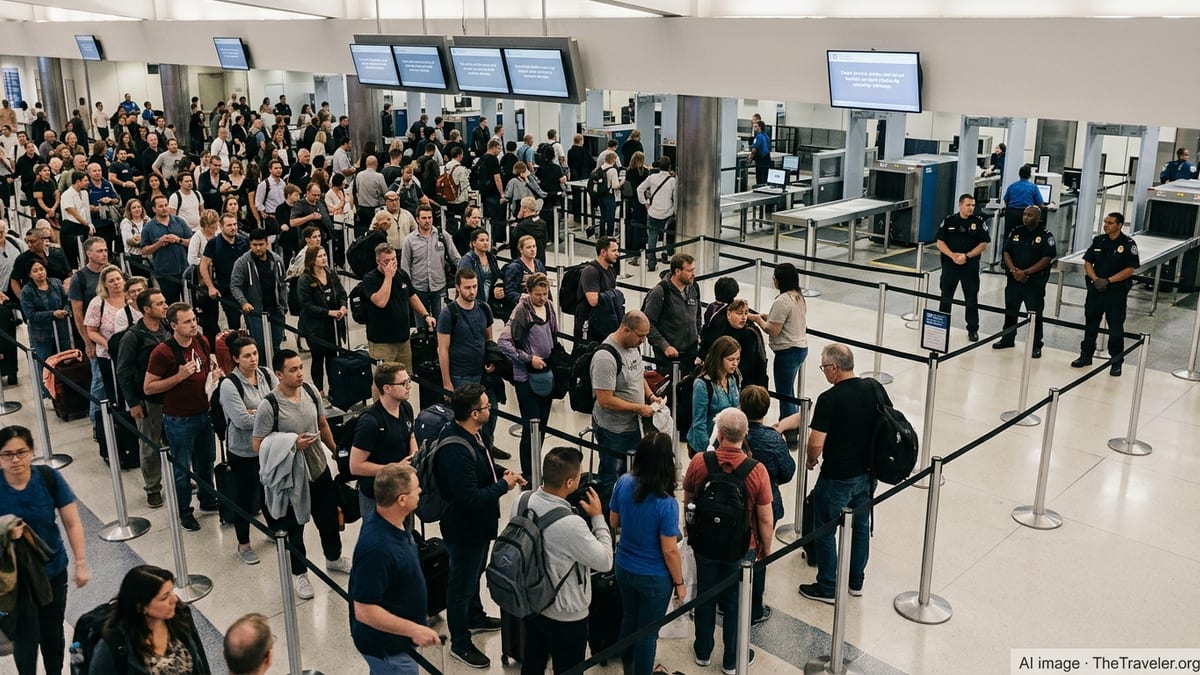
What happened and why Newcastle was affected
Published updates from Newcastle International Airport indicated that some departures were running late due to a technical issue at the National Air Traffic Services (NATS) centre in Prestwick, with passengers advised to check directly with their airline for the latest flight information.
NATS operates major parts of the UK’s air traffic control network, and the Prestwick centre plays a key role in managing traffic flows for Scotland and surrounding airspace. When a system issue occurs, capacity is typically reduced to maintain safety, which can create queues for aircraft waiting to depart, as well as knock-on delays for arriving flights and onward rotations.
Coverage on September 21 described the disruption as focused largely on northern UK airports, with London-area airports reported as broadly less affected than airports in Scotland, Northern Ireland, and parts of northern England.
Status of the technical issue and expected knock-on disruption
NATS published that it experienced a technical issue early Monday at its Prestwick centre and applied air traffic regulations while engineers investigated. Published reporting indicated the issue was later fixed, but that disruption could continue through the day as flight schedules recovered and aircraft and crews were repositioned.
Even when the immediate technical problem is resolved, aviation networks rarely reset instantly. Aircraft that arrive late can miss their next scheduled departure, crews can run into duty-time limits, and gates and stands can become constrained during busy periods, all of which can extend delays beyond the initial incident window.
Industry and media reporting also framed the incident against the backdrop of earlier UK air traffic control disruption in September 2026, adding to passenger sensitivity around reliability and recovery times in the days that follow technical events.
What travelers should do today if flying from Newcastle
For travelers departing from Newcastle on September 21, the most practical first step is to monitor the airline’s live flight status, app notifications, and email or SMS updates, and to re-check shortly before leaving for the airport. In disruption events caused by air traffic restrictions, status can change quickly as slots are reassigned and airlines adjust rotations.
Passengers already at the terminal may see boarding times shift even if the flight is not formally cancelled, particularly when an aircraft is waiting for an air traffic flow slot. When possible, keep travel documents and essential items in carry-on baggage in case of last-minute aircraft swaps or rebooking onto later services.
Travelers with onward connections should pay close attention to minimum connection times and consider contacting their airline as soon as a delay is visible, because re-protection options can narrow as seats on later flights fill. If a connection is at risk, airlines often prioritize rebooking requests made earlier in the disruption cycle.
Passenger rights, refunds, and compensation: what applies in an ATC disruption
The UK Civil Aviation Authority (CAA) published a statement on September 21 addressing passenger compensation following the disruption linked to a technical issue at NATS’ Prestwick centre, noting that delays and cancellations were affecting primarily northern UK airports, while some other airports also reported disruptions.
As a general rule under UK and EU-style passenger rights frameworks, airline “duty of care” obligations, such as assistance with meals, refreshments, and accommodation where appropriate, can apply during significant delays regardless of cause. However, compensation is typically assessed differently when disruption stems from air traffic control restrictions or other factors outside an airline’s control.
For travelers seeking reimbursement for out-of-pocket expenses, keeping records matters: retain receipts for reasonable costs incurred due to the disruption, along with notifications showing the length and nature of the delay or cancellation. Passengers who purchased travel insurance or booked as part of a package may also have additional routes to claim, depending on the policy terms and what portion of the trip was affected.
Broader impact across northern UK airports
Published coverage across multiple outlets described widespread disruption across Scotland, Northern Ireland, and northern England on September 21, with cancellations and delays reported at several major airports. Data referenced in reporting suggested that hundreds of UK flights were cancelled by late afternoon, while many more operated late as schedules were reshuffled.
For Newcastle in particular, the impact tends to be amplified by rotation patterns: a delayed inbound flight can quickly become a delayed outbound departure, especially on short-haul European routes that rely on tight turnarounds. That means passengers may experience delays even on flights that do not directly cross the most affected airspace sectors.
Travelers planning to fly from Newcastle in the next day or two may want to continue checking flight status even after the immediate incident has been reported as fixed, because recovery can involve aircraft repositioning and timetable changes that only appear later in the operating day.