


More news on this day
Normal runway operations have resumed at Cape Town International Airport after a runway incident led to several hours of restricted movements and diversions, according to information shared by Airports Company South Africa and flight tracking data.
Get the latest news straight to your inbox!
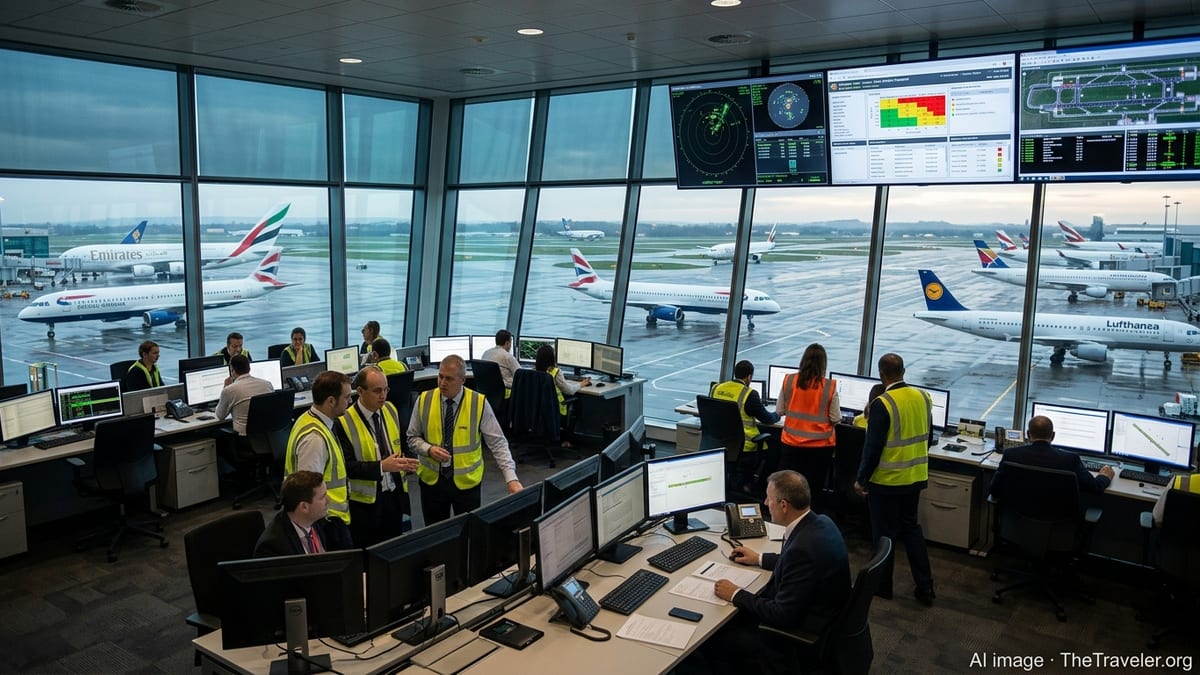
Runway restrictions lifted after disruption
Publicly available information indicates that Cape Town International Airport experienced runway restrictions following an incident that left an aircraft disabled on the main runway. Arrivals and departures were temporarily limited while teams worked to clear the runway and assess the surface condition.
Flight tracking platforms showed a series of holding patterns, diversions to other South African airports and delays to both domestic and regional services during the disruption window. Social media posts from passengers and local aviation enthusiasts described extended waits on the ground and in the air while the airport operated with reduced capacity.
Airports Company South Africa (ACSA), which manages Cape Town International, subsequently confirmed through public communications that the runway had been cleared and that normal operations were resuming. Once the obstruction was removed and safety checks completed, full use of the primary runway was restored and airlines began working through accumulated delays.
By later in the operational day, flight data showed a progressive return to regular patterns of arrivals and departures, with aircraft again using standard approach and departure procedures at the Western Cape hub.
Impact on passengers and airline schedules
The temporary loss of full runway capacity had a visible effect on passenger journeys. Reports from affected travelers described missed connections, diverted flights and extended time onboard aircraft while decisions were made on whether to continue to Cape Town or reroute to alternate airports.
Some long haul and regional services diverted to other cities when holding times and runway limitations made continued approaches to Cape Town impractical. Domestic services, particularly those operating during peak periods, experienced knock-on delays as aircraft and crew were displaced from their planned rotations.
According to published aviation data, Cape Town International handles millions of passengers a year and is one of South Africa’s busiest airports. Even short periods of constrained runway capacity can quickly translate into broader schedule disruption, especially during peak travel times or when aircraft arrive in tightly packed banks.
Airlines have begun rebalancing their schedules as normal operations resume, repositioning aircraft and crews to restore regular frequencies on key domestic and regional routes. Passengers are being advised, through public airline channels, to monitor their flight status and allow additional time while operations stabilise.
Safety checks and runway readiness
Runway incidents that leave an aircraft stopped on the surface typically trigger a structured response focused on safety and airfield integrity. Publicly available operational guidance for major airports, including Cape Town, highlights the need for inspections of pavement, lighting and navigation aids before full use of a runway is restored.
In line with this approach, information available from airport and industry sources indicates that technical teams carried out checks on the affected runway area once the aircraft was removed. These checks are intended to confirm that there is no damage to the surface, no foreign object debris and no impact on critical safety equipment such as runway lighting or instrument landing systems.
Only after these inspections are completed and air traffic management authorities are satisfied that conditions meet required safety standards can normal runway operations resume. The decision to restore full capacity at Cape Town suggests that the runway was assessed as fit for unrestricted use, allowing both arrivals and departures to return to standard patterns.
Runway rehabilitation projects and long term planning documents for Cape Town International, published in recent years, also underline the emphasis on maintaining pavement quality and ensuring that key infrastructure can withstand high traffic volumes. The latest incident tested those systems under pressure but normal operations have now been restored.
Cape Town’s growing traffic and capacity pressures
The interruption to runway operations comes at a time when Cape Town International is managing strong passenger demand and longer term capacity challenges. Public planning documents from South Africa’s transport sector note that growth in traffic at the airport has placed increasing pressure on runway and apron capacity in recent years.
ACSA has signalled plans for significant investment in Cape Town, including runway realignment and associated taxiway projects designed to increase hourly aircraft movements and accommodate larger widebody types. These upgrades are intended to boost resilience during peak periods and reduce the risk that a single disruption will cascade into extended delays.
Recent performance statistics for South African airports show Cape Town among the busiest in the country, serving both a large domestic market and a growing network of international routes. The combination of tourism demand, business travel and seasonal peaks means that even temporary restrictions on the primary runway can have a pronounced operational effect.
Industry observers note that the latest incident underscores the importance of both short term contingency planning and longer term infrastructure upgrades. As normal runway operations resume, attention is likely to remain on how future projects can expand capacity and improve the airport’s ability to absorb unexpected events.
Guidance for upcoming travelers
With full runway operations restored, upcoming travelers to and from Cape Town International are expected to see more typical patterns of departures and arrivals. However, residual delays can persist for several hours after a significant disruption while airlines reposition aircraft and clear backlogs.
Air travel experts suggest that passengers scheduled to travel within the first 24 hours of normal operations resuming should continue to monitor flight information channels for last minute changes. Leaving additional time for check in, security and potential gate changes can help mitigate stress associated with lingering irregular operations.
Travel industry reports also recommend that passengers on tight connections build in extra buffer time, particularly when connecting between domestic and international flights at busy hubs. While Cape Town’s runway is now operating normally, network effects can extend beyond the immediate incident window as aircraft and crew rotations are reset.
For now, publicly available data indicates that Cape Town International’s main runway is back in regular use and that ACSA and airlines are focused on stabilising operations after the latest disruption, while broader plans for capacity expansion continue in the background.