


Orlando International Airport is the front door to central Florida’s theme parks, beaches and convention centers, and for many visitors it is also their first major U.S. hub experience. This guide walks first-time travelers through what to expect at Orlando International (airport code MCO), from understanding the terminals and airlines to arranging transport to Walt Disney World and Universal Orlando, finding the right parking or hotel, and making smart use of lounges and services.
Get the latest updates straight to your inbox!
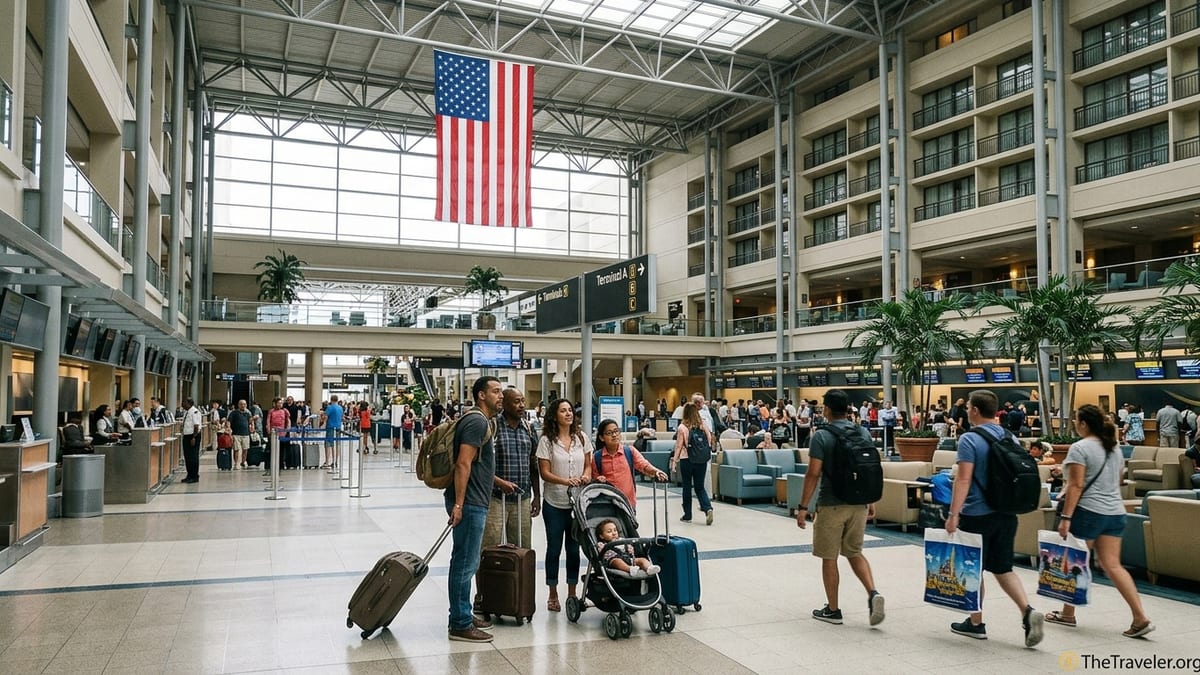
Understanding MCO: Layout, Terminals and Airlines
Orlando International Airport can feel big and confusing if you are used to smaller regional airports. The complex is built around a central main terminal with two sides, A and B, plus a newer South Terminal known as Terminal C. The main terminal houses ticketing, security checkpoints, baggage claim and most shops and restaurants on Levels 2 and 3, while the gates themselves sit in separate concourses that you reach on short automated people mover trams.
Arrivals typically come into Level 2 of the main terminal for baggage claim, labeled A-side or B-side. The side matters because it determines which rental car counters, rideshare areas and hotel shuttles you will see when you exit. For example, some hotel shuttles only pick up from B-side, so if you arrive on A-side you may need to cross the main terminal building inside to reach the correct side. Departure check in happens on Level 3, where airlines are grouped by side.
Most major U.S. carriers serve MCO. As of mid 2026, airlines such as American, United and Spirit primarily use the North Terminal complex on A and B sides, while JetBlue and some international carriers have moved into the modern Terminal C. Southwest is a notable outlier with operations from Terminal C, which can surprise travelers who assume it will be with other domestic carriers in the older concourses. Always check your reservation or airline app the day before travel to confirm your terminal and check in area, since Orlando continues to shift airlines into the newer terminal as it grows.
Terminal C has its own check in, security and gates separate from the older A and B sides, plus an elevated connection to the Brightline train station. If you are connecting between a domestic airline in A or B and an international flight in C, factor in at least 30 to 45 minutes to move between terminals using the Terminal Link people mover and walkways, especially during busy morning and evening peaks.
Arrivals, Ground Transport and Getting to Disney or Universal
Once you collect your bags on Level 2, you will head down to Level 1 for most ground transport options. The layout is straightforward but crowded at peak times, particularly on Saturdays when many theme park visitors arrive. Level 1 is divided into zones for ride-hailing services, taxis, resort buses and hotel shuttles. Overhead signs on A-side and B-side clearly mark areas for Uber and Lyft, which use designated pickup lanes to keep traffic moving.
Travelers headed to Walt Disney World no longer have access to the old Disney’s Magical Express bus, but there are several paid shuttle options. Mears Connect and other shared shuttle services typically operate from clearly signed zones on Level 1 and offer per-person rides directly to Disney resorts. Prices vary with season and time of day, but many visitors see per-adult one-way pricing that can be competitive with rideshare for solo travelers or couples. For a family of four, rideshare or a private van is often cheaper door to door, particularly if you arrive with a lot of luggage and strollers.
Universal Orlando visitors will find similar choices. Third-party shuttle companies sell round trip transfers to Universal hotels and the nearby International Drive corridor, departing on a schedule from the ground transport level. In practice, many first-time visitors choose Uber or Lyft for the flexibility. A typical off peak rideshare fare from MCO to Universal’s main hotel area often falls in a moderate range compared with other U.S. resort airports, though surge pricing can push it higher on holiday weekends and during large conventions at the Orange County Convention Center.
In addition to road transport, Orlando now has Brightline high speed rail service from the airport’s integrated station next to Terminal C, with trains running to West Palm Beach, Fort Lauderdale and Miami. To reach the station from A or B, follow signs for Terminal C and the train, then use the Terminal Link people mover and elevated walkways. This can be a convenient option for travelers combining a central Florida stay with a cruise or city break further south.
Car Rental, Parking and Hotel Options at the Airport
Orlando International is one of the largest rental car markets in the United States, thanks to heavy leisure traffic. Major brands such as Alamo, National, Enterprise, Hertz, Avis, Budget, Dollar and Thrifty have counters right inside the airport on Level 1 of both A-side and B-side, with vehicles in attached garages. For example, passengers arriving on B-side can walk directly from baggage claim to the rental garage without boarding a shuttle. Off site brands operate from satellite lots reached by dedicated courtesy buses that pick up at marked stops on Level 1.
Parking is divided between garages linked to the terminals and lower cost economy lots connected by frequent shuttles. The terminal parking garages are the most convenient; drivers can usually walk from their car to the check in desks in less than 10 minutes. Economy lots sit farther from the main building but offer significant daily savings for weeklong trips. Many local travelers use the economy parking when heading out on cruises or multi day vacations, trading a 10 to 15 minute shuttle ride for a lower bill at checkout.
For travelers who prefer to stay on site, the Hyatt Regency Orlando International Airport sits directly inside the main terminal building. Rooms overlook either the airfield or the large central atrium, and guests can take elevators straight from the lobby to airline check in counters. This hotel can be particularly useful for late night arrivals who do not want to navigate highways after a long flight, or for early morning departures where being steps from security removes a layer of stress. Outside the airport, a cluster of midrange hotels with free shuttles lines the nearby Semoran Boulevard corridor, offering more budget friendly stays a short drive away.
Those picking up friends or family might consider the airport’s cell phone lots, where drivers can wait in their cars at no cost until passengers call from baggage claim. The lots are well signed on approach roads and help avoid circling the arrivals lanes. Once your arriving traveler is curbside, it usually takes just a few minutes to pull around to the correct side of the terminal.
Security, Terminals and Lounges
Security checkpoints at Orlando can be busy, especially during school holidays, spring break and around major conventions. The main terminal has multiple checkpoints serving different gate areas, and travelers should follow their airline’s signs for the correct screening line. Wait times fluctuate throughout the day, so many locals recommend arriving at least two hours before a domestic flight and three hours before an international departure, leaving extra time if you need to return a rental car.
Once through security, passengers ride short trams to airside concourses where gates, additional shops, and many restaurants are located. These trams run frequently and the ride usually takes only a couple of minutes, but allow time for queues during peak waves of departures. Families with small children often appreciate the novelty of the tram ride, though it is wise to hold children’s hands and keep strollers folded or secured, especially when the cabins are crowded.
MCO has a growing selection of airport lounges across its terminals. Travelers in premium cabins or with airline status can access lounges such as the Delta Sky Club in one of the concourses and a United Club near a cluster of United gates in Terminal B. Access rules vary by airline and cabin, so checking your airline’s app before travel is important. These branded lounges usually offer light food, Wi fi, soft drinks and often beer and wine, providing a quieter alternative to the busy gate areas.
Independent lounges are also available. The Club MCO operates two locations, one serving gates near the A-side concourses and another on the B-side, both typically open from early morning into the evening. A newer Plaza Premium Lounge sits in Terminal C, serving many international and JetBlue passengers. These lounges can usually be accessed either with membership programs like Priority Pass or through paid day passes, which are commonly priced in a moderate range for U.S. airport lounges. Travelers on long layovers or facing delays often find that a few hours in one of these spaces, with included snacks, drinks and more comfortable seating, can be worth the cost.
Transfers Between Terminals and Connections
Although the A, B and C areas of Orlando International are part of one airport, transferring between them can feel like changing terminals at a large hub. The older A and B sides share a common building, so walking from one side to the other usually takes less than 10 minutes on Level 3. From there, a people mover known as Terminal Link connects the main building to Terminal C and the Brightline train station.
Travelers with separate tickets, such as a budget domestic airline arriving in a North Terminal concourse and an international carrier departing from Terminal C, should pay close attention to minimum connection times. Unlike a through ticketed connection, you may need to claim your bags, recheck with your next airline, and clear security again in the other terminal. Allowing at least three hours between unrelated flights is a cautious approach that gives room for delays, long security lines and the transfer itself.
Signage for Terminal C and the train station is generally clear, but first time visitors may still be surprised by the distance. Expect a combination of escalators, moving walkways and the people mover ride. If you are traveling with heavy luggage or young children, factor in short rest stops along the way. Inside Terminal C, shops and food outlets are more modern and spacious, so some travelers even plan slightly longer connections to take advantage of dining options there before international departures.
Within the same side of the terminal, moving between concourses can also take time. For example, a passenger arriving in one airside concourse on A-side and departing from another concourse on B-side cannot usually stay inside security; instead, they must ride the tram back to the main building, walk across to the correct side, and clear security again. This is another reason why leaving sufficient time for connections in Orlando is especially important compared with smaller airports.
First-Time Traveler Tips for a Smooth MCO Experience
First time visitors to Orlando are often juggling kids, strollers and multiple suitcases bound for theme park hotels. One of the simplest ways to reduce stress is to double check your arrival and departure sides before you land. Many airline apps show not only your gate but also whether you will claim bags on A-side or B-side. Sharing that detail with anyone picking you up makes curbside rendezvous much smoother. If your driver knows you are on B-side Level 2, for example, they can head directly to that level and follow the B-side signs instead of circling both sides.
For departures, plan to arrive earlier than you think you need, particularly on Saturday mornings and during school breaks when many families are leaving at once. If you are returning a rental car, build in an extra 20 to 30 minutes from the time you exit the highway to the time you reach the security line, since you will need to follow signs to your company’s garage, unload bags, complete the return and then walk or shuttle back to the terminal. This cushion is especially important if you are flying an airline in Terminal C and are not as familiar with the newer layout.
Packing a small “airport kit” can help while navigating the busy terminal. This might include refillable water bottles that you can top up at fountains after security, basic snacks in case restaurant lines are long, and a compact power strip or battery pack, since outlets at gates around popular departure times fill quickly. For families heading to Disney or Universal, keeping MagicBand wristbands, park tickets and hotel confirmation numbers in one pouch makes check in at the resort much easier after a long travel day.
Finally, remember that Orlando is a leisure heavy airport; many fellow passengers are in vacation mode, some flying for the first time. Lines may move more slowly as people learn the security routine or organize their bags. Patience, a flexible schedule and realistic expectations will go a long way toward making your passage through MCO feel like the start of your trip rather than an obstacle.
The Takeaway
Orlando International Airport is a sprawling but manageable gateway once you understand its basic structure and rhythms. The split between A, B and C terminals, the heavy emphasis on rental cars and resort transport, and the seasonal surges tied to school calendars make it different from many business oriented hubs. With a bit of advance planning, though, most first time travelers find it straightforward to move from plane to hotel or theme park.
By confirming your terminal in advance, allowing extra time for security and rental car returns, and choosing the right ground transport for your group size and budget, you can turn what might have been a stressful airport day into a smooth transition into your vacation or conference. Lounges, on site hotels and upgraded dining in Terminal C offer additional comfort for those who want it, while extensive parking and rental options serve local travelers and repeat visitors.
Whether you are flying in for a week at Walt Disney World, a quick Universal weekend or a convention near International Drive, Orlando International is designed to handle large numbers of leisure travelers. Treat this guide as a starting point, adjust for your own flight times and needs, and you will be well prepared for your first arrival at MCO.
FAQ
Q1. How early should I arrive at Orlando International Airport before my flight?
For most domestic flights, arriving about two hours before departure is usually sufficient, while international flights often warrant arriving three hours early, especially during school holidays and peak weekend mornings.
Q2. Which terminal does my airline use at MCO?
Airline assignments can change, but many large U.S. carriers use the older A and B sides, while JetBlue, some international airlines and Southwest operate from Terminal C; always confirm your terminal in your airline app or booking the day before you travel.
Q3. What is the best way to get from MCO to Walt Disney World?
Most visitors choose between rideshare services like Uber or Lyft and paid shuttle buses such as those operated by companies serving Disney resorts, comparing cost and convenience based on group size, luggage and arrival time.
Q4. Is there a train from Orlando Airport to other Florida cities?
Yes, Brightline runs trains from the station connected to Terminal C to cities such as West Palm Beach, Fort Lauderdale and Miami, which can be a convenient option if you are combining Orlando with a south Florida stay.
Q5. Are there airport lounges I can pay to enter at MCO?
Yes, independent lounges such as The Club MCO locations and the Plaza Premium Lounge in Terminal C typically sell day passes and may also be accessible through programs like Priority Pass, offering food, drinks and quieter seating.
Q6. Where can I pick up a rental car at Orlando International?
Major rental car companies have counters and vehicles on site on Level 1 of both A-side and B-side, with cars in attached garages, while some value oriented brands operate from off site lots reached by free shuttles.
Q7. Is there a hotel inside Orlando International Airport?
Yes, the Hyatt Regency Orlando International Airport is located inside the main terminal building, allowing guests to walk directly from their room to airline check in counters and security in just a few minutes.
Q8. How long does it take to transfer between Terminals A or B and Terminal C?
Most travelers should allow at least 30 to 45 minutes to move between the older A or B sides and Terminal C using the Terminal Link people mover and walkways, especially if they are unfamiliar with the layout or traveling with children.
Q9. What are the parking options at MCO for longer trips?
Travelers can choose between convenient terminal garages, which are closest to check in, and lower cost economy lots that are connected to the terminal by regular shuttle buses and are often preferred for weeklong vacations.
Q10. Is Orlando International Airport easy to navigate for first-time U.S. visitors?
While the airport is large and busy, clear bilingual signage, color coded sides, frequent trams and staff stationed around the main terminal generally make it straightforward for first time visitors who take a few minutes to follow the signs carefully.