


More news on this day
More than 400 flights were delayed across Moscow on Sunday after temporary restrictions paused arrivals and departures at the capital’s four main airports, leaving airlines and airport operators working through a backlog that lingered into midday.
Get the latest news straight to your inbox!
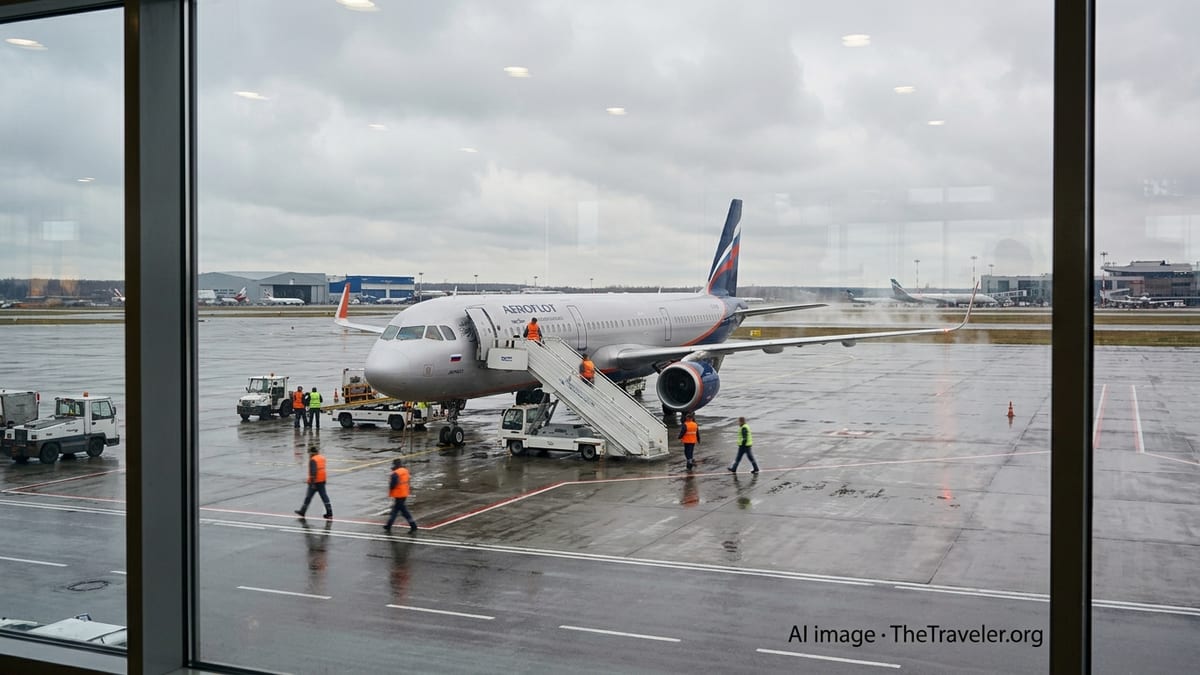
What happened at Moscow’s airports
Published coverage indicates that Sheremetyevo, Domodedovo, Vnukovo, and Zhukovsky introduced temporary restrictions overnight into the early hours of September 20, 2026, a move that typically stops or limits takeoffs and landings while airspace is assessed for safety.
The disruptions were widely linked in reporting to a large overnight drone barrage targeting the Moscow region. Flight schedules resumed after the restrictions were lifted, but the stop-start nature of operations created a wave of knock-on delays as aircraft and crews ended up out of position.
While Moscow was the focal point for travelers, reports also pointed to broader interruptions across Russia, with temporary flight restrictions affecting additional airports beyond the capital during the same overnight period.
Scope of the delays and cancellations
By midday, airport boards and compiled tallies in Russian business media showed the largest impact at Sheremetyevo, Russia’s busiest airport. Reporting described more than 120 delayed arrivals and more than 120 delayed departures there, alongside dozens of cancellations.
Vnukovo, another major hub for domestic services and several international routes, also recorded extensive delays and a smaller number of cancellations in published counts, while Domodedovo and Zhukovsky posted fewer disruptions but still reported delayed flights.
The raw number of affected flights does not capture the full operational impact. When departures are delayed for hours, later rotations often slip as well, meaning a single overnight closure can affect morning, afternoon, and even evening schedules depending on how quickly airlines can reset aircraft and crew assignments.
Where diverted flights went and why it matters to passengers
When Moscow-bound aircraft could not land, multiple outlets reported diversions to alternate airports, including cities such as Samara, Nizhny Novgorod, Kazan, Cheboksary, and St. Petersburg. Diversions can add hours even after Moscow reopens, because aircraft may require refueling, new departure slots, and updated crew duty calculations before continuing.
For travelers, diversions frequently translate into missed connections, rebookings, and baggage delays. Passengers departing Moscow can also be affected if the aircraft scheduled to operate their flight is stuck at an alternate airport or arrives late from a previous sector.
In practice, the most visible pinch points are check-in lines, gate-area crowding, and late changes to boarding times and gates. Even if an individual flight shows as “on time,” disruptions elsewhere in the network can still complicate baggage handling and connection windows.
Airlines adjust schedules as airports work through the backlog
Airlines serving Moscow reworked schedules after the temporary shutdowns, with published reports noting that carriers including Aeroflot and Pobeda adjusted operations as the day progressed. That can include consolidating flights, swapping aircraft types where possible, and protecting longer-haul services that are harder to reschedule.
For travelers, the most useful step is to rely on the airline’s live status tools and airport departure boards rather than fixed timetables. In a rolling recovery, departure times can change repeatedly as carriers receive updated slots and aircraft arrive from alternates.
Refund and rebooking rules can vary by fare type and carrier policy, and published coverage did not establish a single, system-wide passenger policy for the day. Travelers typically see the most flexibility when widespread disruption triggers special measures by airlines, but that depends on each carrier’s decisions and the availability of seats.
What travelers should watch next
Reporting on September 20 described the drone activity as unusually large, and similar incidents in recent months have repeatedly led to short-notice restrictions around Moscow’s airspace. For travelers planning departures from, arrivals to, or connections through Moscow, that raises the risk of day-of changes even when weather is clear.
Travelers with tight same-day connections should consider allowing extra time at the airport and between flights, especially for itineraries that rely on a single Moscow connection to reach onward domestic destinations. Disruptions can also affect international services, particularly when inbound aircraft are held outside the region or re-routed.
As the day continues, the key indicator of recovery is whether cancellations stabilize and departure banks begin leaving closer to schedule, allowing aircraft and crews to return to planned rotations. Until that happens, delays can persist in waves well after restrictions are lifted.