


For many visitors, Palancar Reef is the single biggest reason to come to Cozumel. This vast coral system on the island’s southwest coast offers clear water, towering coral formations, and easy drift conditions that make it ideal for first-time snorkelers and divers. If you are planning your first visit to Cozumel, understanding where Palancar is, how to reach it, and how to experience it respectfully inside the marine park will help you make the most of your day in the water.
Get the latest updates straight to your inbox!
Where Palancar Reef Is and How to Reach It
Palancar Reef lies off the southwest shore of Cozumel, Mexico, inside the protected Arrecifes de Cozumel National Marine Park. From the main town of San Miguel, tour boats head south along the coast for roughly 30 to 45 minutes before mooring over the reef. The reef itself does not touch the shoreline; you cannot simply wade out to it. You access Palancar by boat, either on a snorkel trip, a scuba charter, or a small panga departing from a nearby beach club.
For many travelers, the most straightforward land reference point is Playa Palancar, a laid-back beach area about 25 to 30 minutes by taxi from downtown. Taxi fares from the cruise piers or the town typically range from the equivalent of 20 to 30 US dollars per taxi each way, depending on your starting point and group size, so it is worth confirming the fare with the official taxi dispatcher before you get in. From Playa Palancar, local boats run quick trips out to nearby sections of Palancar Reef and neighboring Colombia Reef, so you spend less time commuting and more time in the water.
If you are staying at one of the larger south-coast resorts, such as properties clustered near the marine park boundary, your on-site dive shop will usually pick you up from the resort’s dock. In that case, you simply meet the boat in front of your hotel and ride 10 to 25 minutes to Palancar, depending on conditions and the day’s schedule. Those coming from Playa del Carmen on the mainland can take the passenger ferry across to Cozumel, then either join a prebooked boat tour that meets near the ferry terminal or negotiate a taxi and beach-club departure.
Understanding Palancar’s Reef Zones
First-time visitors are often surprised to learn that Palancar is not a single dive site but a broad reef complex divided into named zones. Dive operators commonly refer to Palancar Gardens, Palancar Caves, Palancar Horseshoe, and Palancar Bricks, each with slightly different depths and formations. In everyday conversation, locals simply say “Palancar” when referring to the whole area, but dive briefings will specify which zone you are visiting.
Palancar Gardens is the most popular introduction for new visitors. Here, the reef top often rises to around 30 feet, with a gentle wall that drops into deeper water. Coral heads form ridges and channels, creating easy swim-throughs without being tight or technical. This makes Gardens ideal as a first deep reef dive for certified beginners or as a scenic backdrop when snorkel boats stop in slightly shallower patches along the edge.
Farther along the system, Palancar Caves and Palancar Horseshoe offer larger buttresses and room-sized swim-throughs that suit confident intermediate divers. Depth can reach 60 to 80 feet or more along the wall, where you might drift past towering coral pinnacles and sand chutes. Palancar Bricks, toward the southern end, is often used as a deeper second tank or for more experienced groups, known for stacked coral formations that resemble scattered bricks on the sea floor. While snorkel tours do not usually differentiate these sections by name for guests, scuba divers will see these labels on boat whiteboards and in dive logs.
Snorkeling Palancar Reef: What First-Timers Should Expect
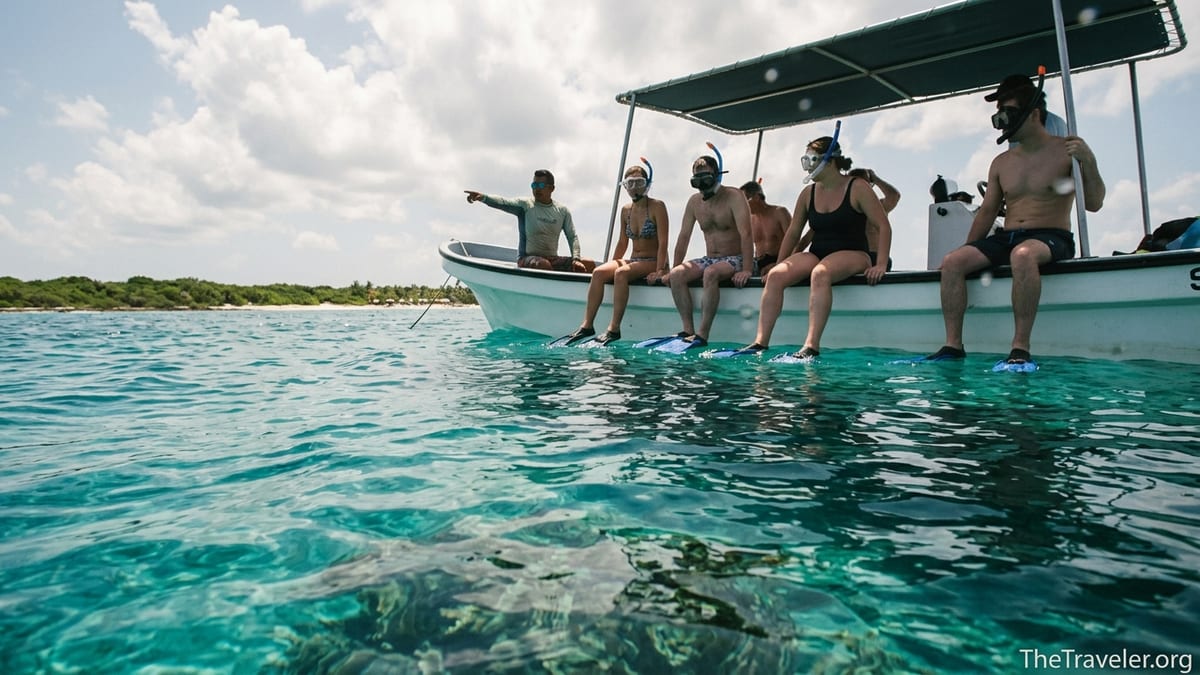
Snorkeling at Palancar typically happens from a boat that anchors or drifts along the shallower edges of the reef. Water visibility can frequently reach 60 to 100 feet or more in good conditions, which means even those floating at the surface see impressive coral structures and schools of fish. Standard tours from Cozumel often combine Palancar with Colombia Reef and a shallow sandbar like El Cielo, providing two or three distinct stops in roughly half a day.
As of 2026, typical shared snorkel trips that visit Palancar and neighboring reefs are often priced around 50 to 70 US dollars per person when booked directly with a local operator. That price usually includes gear, a guide in the water, drinks, and sometimes fresh fruit or simple snacks. Cruise line versions of similar itineraries often list closer to 90 to 140 US dollars per person, reflecting the markup for booking through the ship rather than independently. Private charters for families or small groups generally start in the low hundreds of dollars for a few hours on the water and can exceed 600 US dollars for longer days or larger boats.
Conditions at Palancar are usually characterized by gentle to moderate current, which means most snorkeling is drift-style. You will be asked to float calmly on the surface while your guide leads the group, with the boat following along and picking everyone up at the end of the drift. First-timers should be comfortable swimming with fins in open water and should listen closely to the safety briefing, especially about staying behind the guide and away from the reef itself. If you are anxious about deep water, consider practicing off a sheltered shore club first before committing to a boat tour on your first day.
Scuba Diving Palancar: Sites, Depths, and Skill Levels
For scuba divers, Palancar is often described as a must-dive highlight of Cozumel. Local shops usually schedule one or two Palancar sites on their weekly rotation, commonly pairing a deeper Palancar wall dive with a shallower second tank at Colombia Shallows or a nearby reef. Depth profiles typically range from about 40 feet at the top of the reef to 80 feet or more along the wall, with some operators taking advanced divers deeper when conditions and certification levels allow.
Palancar Gardens is frequently chosen for divers’ first day on Cozumel because it combines an impressive wall with forgiving navigation and plenty of natural light. Newly certified Open Water divers can drift along at 40 to 60 feet, weaving through wide swim-throughs while more experienced buddies drop slightly deeper along the wall. Palancar Caves adds more overhead environments and dramatic cavern-like structures. Although these passages are open on both ends and do not require special cave training, divers are expected to have solid buoyancy skills so they do not bang into the coral or stir up sediment.
Many dive shops offer a “Discover Scuba” experience where non-certified guests complete a short training session in shallow water, then join an instructor for a controlled dive on a calm nearby reef. While beginners on these programs are usually kept on shallower sites than the main Palancar wall, some operators may include a gentle portion of Palancar Gardens at conservative depths when conditions are ideal. Certified divers, meanwhile, can expect two-tank boat trips for around 100 to 130 US dollars when booked directly with a local shop, with full gear rental adding an additional fee. Prices on cruise-booked dive excursions tend to be higher but follow a similar pattern.
Playa Palancar and Beach Club Access
Playa Palancar is the informal beach gateway to the reef for many first-time Cozumel visitors. The beach itself offers soft sand, a casual beach club with loungers and a restaurant, and small boats that take visitors out for short snorkeling runs. This setup appeals particularly to cruise passengers or independent travelers who prefer a flexible day: you can arrive by taxi, secure a couple of loungers, order lunch, and decide on a snorkel outing once you have seen the conditions.
On-site snorkel trips from Playa Palancar generally cost a few tens of US dollars per person, depending on the exact route, group size, and whether gear is included. These tours are often one and a half to two hours, visiting patches of reef near Palancar and sometimes Colombia. You share the boat with other beach visitors, and simplicity is the main advantage: you do not need to prebook or commit to a full half-day excursion. This works well for families who want some members to relax onshore while others head out to the reef.
Beach clubs along this stretch of coast may have minimum spend expectations if you want to use their loungers for several hours, but they usually do not charge a separate entry fee. Travelers often find that a combination of a simple lunch, a couple of drinks, and a snorkel tour easily meets any informal minimum. If you are visiting during peak holiday weeks or on days when several large cruise ships are in port, it is wise to arrive early in the morning to secure shade and to catch calmer water before afternoon wind picks up.
Marine Park Rules and Responsible Reef Etiquette
Palancar Reef sits inside Arrecifes de Cozumel National Marine Park, which enforces regulations designed to protect coral and marine life. Visitors are required to use reef-safe practices approved by the park. Regulations can be updated, but long-standing rules include prohibitions on touching, standing on, or collecting any coral or marine life, as well as bans on fishing within designated zones. Boats must use mooring buoys instead of dropping anchors directly on the reef.
One of the most visible changes for many visitors in recent years has been the restriction or outright ban on conventional chemical sunscreens within the marine park. Guests are encouraged or required to either wear long-sleeve rash guards and physical-coverage clothing or to use biodegradable, reef-friendly sunscreens that meet local guidelines. In practice, many snorkel and dive operators will ask you to apply sunscreen at least 30 minutes before entering the water so it has time to absorb, or they may provide shade on the boat to reduce the need for constant reapplication.
Responsible behavior in the water is just as important as the formal rules. Snorkelers should avoid using inflatable vests as kickboards that could drag across the coral, and divers should keep their fins well above the reef to prevent accidental contact. Feeding fish, chasing turtles, or attempting to ride or touch rays and other large animals is strongly discouraged. Following the guide’s instructions and maintaining good control of your gear and body position are simple ways to help ensure that Palancar remains healthy for future visitors.
Palancar Tours, Pricing, and Cruise-Ship Considerations
If you are arriving on a cruise, you will usually have three main options to see Palancar Reef. You can book directly through your cruise line, arrange an independent tour in advance with a Cozumel-based operator, or head by taxi to a beach club such as Playa Palancar and sign up for a local boat once you arrive. Each choice has trade-offs in price, structure, and perceived security.
Cruise line snorkel excursions that advertise Palancar often bundle transport from the pier, a multi-stop snorkel route, and a beach break or open bar. Prices can range from roughly 90 to 140 US dollars per person for a half-day, and some itineraries are marketed under names like “Palancar Reef Snorkel, Sail & Beach” or “Palancar & El Cielo” experiences. By contrast, booking directly with a local snorkel company can bring that cost down to approximately 50 to 70 US dollars per person for a similar route, though you may need to arrange your own taxi or meet at a different pier.
For families or small groups seeking more control over timing and crowd size, private charters are increasingly popular. A four-hour private snorkel trip on a small boat, visiting Palancar, Colombia, and a sandbar, may start in the 400 to 600 US dollar range depending on the vessel and inclusions, with prices rising for larger, more comfortable boats or catamarans. Cruise passengers considering an independent booking should pay close attention to the ship’s all-aboard time and choose operators that clearly state they work with cruise schedules. Many local companies time their departures to fit common port calls and factor in a buffer to return guests at least an hour before departure, but the ultimate responsibility to be back on time rests with the traveler.
First-Time Cozumel Tips Around a Palancar Visit
Building a day around Palancar works smoothly if you account for Cozumel’s basic logistics. Most visitors arrive at one of the island’s cruise piers or at Cozumel International Airport, then base themselves in San Miguel or at a resort along the west coast. Taxi travel is the primary way to move between town, piers, and southern beaches. Taxis are not metered, but fares between common points are usually standardized; you can ask to see the posted rate chart or confirm the price with the dispatcher before leaving.
Weather and sea conditions can vary, but Cozumel generally offers reliable snorkeling and diving most of the year. Winter months may bring occasional north winds that cause rougher seas on certain days, while summer can be warm and humid with calmer water but a higher chance of afternoon showers. If Palancar is a top priority, try to schedule your reef outing near the start of your stay. That way, if windy conditions force boats to switch sites or cancel, you have time to reschedule.
Money-wise, US dollars are widely accepted for tours and taxis, but change may be given in Mexican pesos, and exchange rates offered by street vendors or independent operators may not be as favorable as bank or ATM rates. Using pesos for smaller purchases or drinks at beach clubs often simplifies transactions. As with any busy port destination, keep valuables minimal on the beach and consider a dry bag for your phone and small essentials if you will be boarding small boats or swimming from the shoreline.
The Takeaway
For first-time visitors, Palancar Reef delivers much of what makes Cozumel famous: clear Caribbean water, soaring coral formations, and straightforward access through a range of tours and beach-based options. Whether you are drifting over the reef with a snorkel, weaving through coral tunnels on scuba, or splitting your day between Playa Palancar and a short boat trip, a little planning goes a long way. Understanding the reef’s layout, marine park rules, and practical prices helps you choose experiences that fit your budget and comfort level while keeping the ecosystem healthy.
If you keep your schedule flexible, respect park guidelines, and book with reputable local operators or well-reviewed cruise excursions, Palancar can be the highlight of a one-day port call or a multi-day island stay. Combined with Cozumel’s easygoing beach clubs and compact town center, it offers an accessible introduction to Caribbean reef life that even first-time snorkelers and divers can enjoy.
FAQ
Q1. Can I reach Palancar Reef without taking a boat? You cannot walk or swim out to Palancar from shore; it lies offshore inside the marine park, so you must join a boat tour or dive charter to visit.
Q2. Is Palancar Reef suitable for beginner snorkelers? Yes, many beginners enjoy Palancar on guided tours, but you should be comfortable swimming in deep, open water and following a guide in mild current.
Q3. Do I need to be a certified diver to explore Palancar? Certification is required for regular scuba dives, but several local shops offer supervised “Discover Scuba” experiences that let non-certified guests try shallow reef dives under close supervision.
Q4. How much does a typical Palancar snorkel tour cost? Shared tours that visit Palancar and nearby reefs commonly run around 50 to 70 US dollars per person when booked locally, with cruise ship versions usually costing more.
Q5. What should I bring for a day at Palancar Reef? Bring a well-fitting mask if you own one, a rash guard or reef-safe sunscreen, cash or a card for tips and snacks, a towel, and a dry bag to protect your phone and small valuables.
Q6. Can I wear regular sunscreen inside the Cozumel marine park? Many operators discourage or prohibit conventional chemical sunscreens because of reef damage concerns, so opt for long-sleeve swimwear and locally approved reef-safe products instead.
Q7. Will I see turtles and rays at Palancar? Sightings are never guaranteed, but snorkelers and divers at Palancar often report encounters with sea turtles, eagle rays, and nurse sharks alongside abundant reef fish.
Q8. Is Playa Palancar a good option for cruise passengers with limited time? Yes, many cruise visitors take a taxi to Playa Palancar, combine a short snorkel boat trip with beach time, and still return to the ship with a comfortable buffer before departure.
Q9. What is the water temperature like at Palancar? Water temperatures near Cozumel are generally warm, often in the upper 70s to low 80s Fahrenheit, so most snorkelers are comfortable in swimsuits and light rash guards, while divers may choose thin wetsuits.
Q10. How far in advance should I book a Palancar excursion? During busy holiday seasons and when multiple large cruise ships are in port, booking at least a few weeks ahead with a reputable operator is wise, while in quieter periods you can often secure spots a few days in advance or directly from beach clubs.