


More news on this day
Passengers traveling with Kenya Airways through Amsterdam Schiphol were left stranded after the carrier suspended selected services, adding to a wave of disruption already affecting one of Europe’s busiest airports.
Get the latest news straight to your inbox!
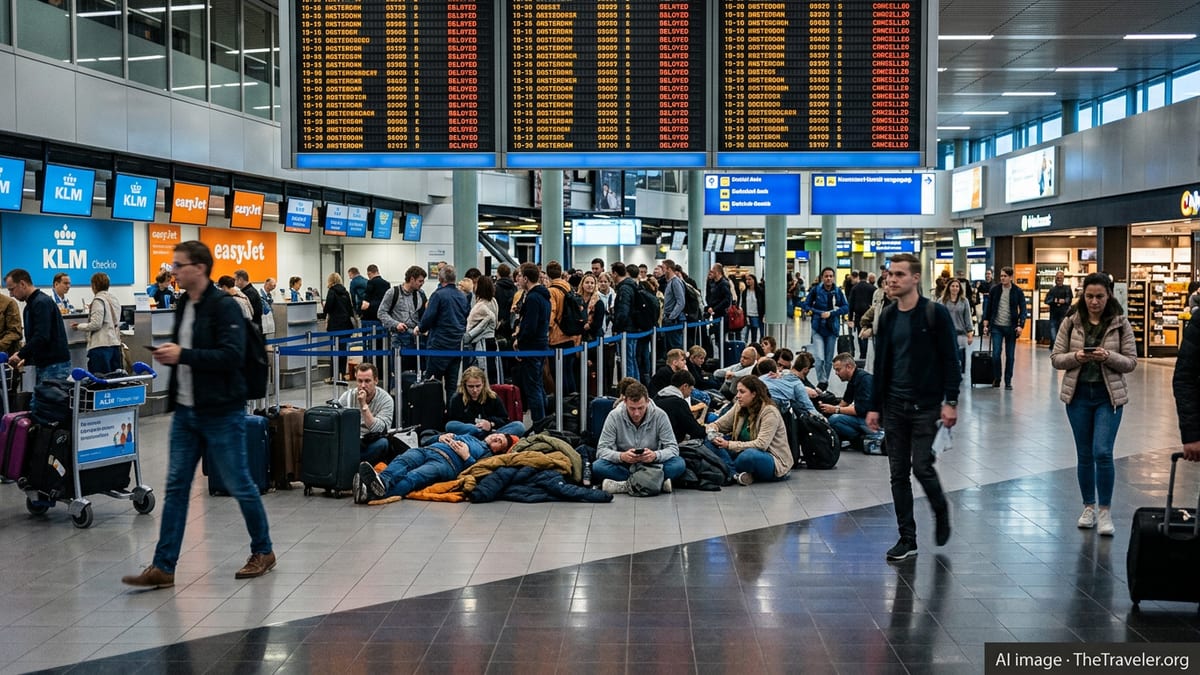
Targeted Suspension Leaves Travelers Facing Long Delays
Publicly available reports from travel outlets indicate that Kenya Airways was among several carriers that suspended flights serving Amsterdam in mid June 2026, with at least one service to Nairobi affected. The pause in operations left travelers at Schiphol waiting for rebooking options or alternative connections as schedules were rapidly adjusted.
Coverage from regional news platforms in Kenya notes that Kenya Airways joined KLM and United Airlines in suspending around ten flights on a single day, contributing to a broader pattern of disruption across the Amsterdam hub. While some services were maintained, the selective cancellations were enough to leave groups of passengers without an immediate onward option.
Flight tracking data reviewed in early June showed Kenya Airways operating its regular Amsterdam to Nairobi service on certain days, suggesting that the disruption involved specific rotations rather than a complete withdrawal from the route. For stranded travelers, however, even a limited suspension translated into missed connections, unexpected overnight stays, and uncertainty about when they would be able to continue their journeys.
Observers of European aviation trends point out that Amsterdam Schiphol has been at the center of repeated episodes of disruption in 2026, with delays and cancellations affecting both long haul and regional traffic. The Kenya Airways suspension unfolded against this backdrop, compounding existing congestion on the ground and in the air.
Schiphol’s Wider Disruption Magnifies Impact on Kenya Airways Passengers
Reports from aviation-focused publications describe a recent period in which Schiphol experienced more than 250 delayed flights and around 20 cancellations in a single day, affecting multiple European and intercontinental routes. In that environment, the suspension of Kenya Airways flights intensified the strain on available seats for travelers trying to reach Africa or connect onward to other destinations.
Travel coverage indicates that operations at Schiphol deteriorated through several days in early June, with rolling delays turning into last minute cancellations. For Kenya Airways customers, the combination of a targeted suspension and a crowded hub meant that rebooking onto other airlines or later departures was far from straightforward.
Accounts compiled by passenger rights organizations suggest that travelers stranded during such disruption often face long queues at service desks, limited same day alternatives, and rising demand for hotel rooms near the airport. With multiple carriers adjusting schedules at once, even those able to secure a new itinerary may find themselves routed through different hubs or facing significantly longer travel times.
Schiphol’s role as a major transfer point for flights between Europe, Africa, the Middle East, and North America means that disruptions at the Dutch hub quickly ripple outward. When a carrier such as Kenya Airways removes even a small number of flights from the schedule, passengers connecting from other continents can be left with few immediate alternatives to complete their journeys.
What Stranded Passengers Can Expect in Terms of Care and Compensation
Public guidance based on European air passenger regulations indicates that travelers departing from Amsterdam Schiphol may be eligible for assistance and, in some circumstances, financial compensation when flights are significantly delayed or canceled. Eligibility typically depends on the length of delay, the distance of the journey, and the underlying reason for the disruption.
Consumer advocacy groups explain that when a flight is canceled at short notice, airlines operating from European airports are generally expected to offer a choice between rerouting at the earliest opportunity, travel at a later date, or a refund of the unused ticket. In addition, passengers may be entitled to meals, refreshments, and hotel accommodation if they are required to wait extended periods before a replacement flight.
In cases where disruption is linked to broader operational pressures at a hub airport, or to factors considered beyond the airline’s direct control, compensation payments can be more complex. However, travelers are usually advised to retain documentation such as boarding passes, booking confirmations, and receipts for out of pocket expenses, which can support later claims or reimbursement requests.
For Kenya Airways customers stranded in Amsterdam, these frameworks offer at least a degree of structure at a time of uncertainty. Travel specialists recommend that affected passengers monitor airline apps and departure boards closely, use official digital channels to explore self service rebooking options where available, and keep written records of any changes to their itinerary.
Ongoing Volatility Highlights Fragility of Europe’s Air Travel Network
The suspension of Kenya Airways flights at Schiphol comes at a time when Europe’s aviation system is experiencing sustained operational stress. Recent data compiled from flight tracking services show repeated peaks of disruption across the continent, with major hubs in the Netherlands, France, Germany, and the United Kingdom all featuring in statistics on delays and cancellations.
Aviation analysts note that the pattern reflects a combination of factors, including high seasonal demand, tight staffing levels, weather related interruptions, and occasional airspace restrictions in nearby regions. In such an environment, even minor schedule adjustments can quickly cascade, leaving aircraft and crew out of position and forcing airlines to trim frequencies or cancel rotations altogether.
Kenya Airways’ situation in Amsterdam illustrates how long haul carriers can be particularly exposed when a key hub becomes congested. With limited spare aircraft and tightly timed connections, the decision to suspend selected flights may be used as a tool to stabilize the wider network, even though it leads to difficult short term consequences for affected passengers.
For travelers planning to pass through Schiphol in the coming weeks, the incident serves as a reminder to build additional flexibility into itineraries, consider longer connection times, and keep abreast of airline and airport advisories before departure. While operations at major European hubs continue to recover day by day, the experience of Kenya Airways passengers stranded in Amsterdam underlines how quickly a localized suspension can disrupt journeys across several continents.