


More news on this day
Travelers eyeing late‑summer or fall trips to Spain or France in 2026 are being urged to prepare for tighter digital border controls, heat alerts in major cities, and renewed security guidance that could affect everything from airport queues to what they pack in their day bag.
Get the latest news straight to your inbox!
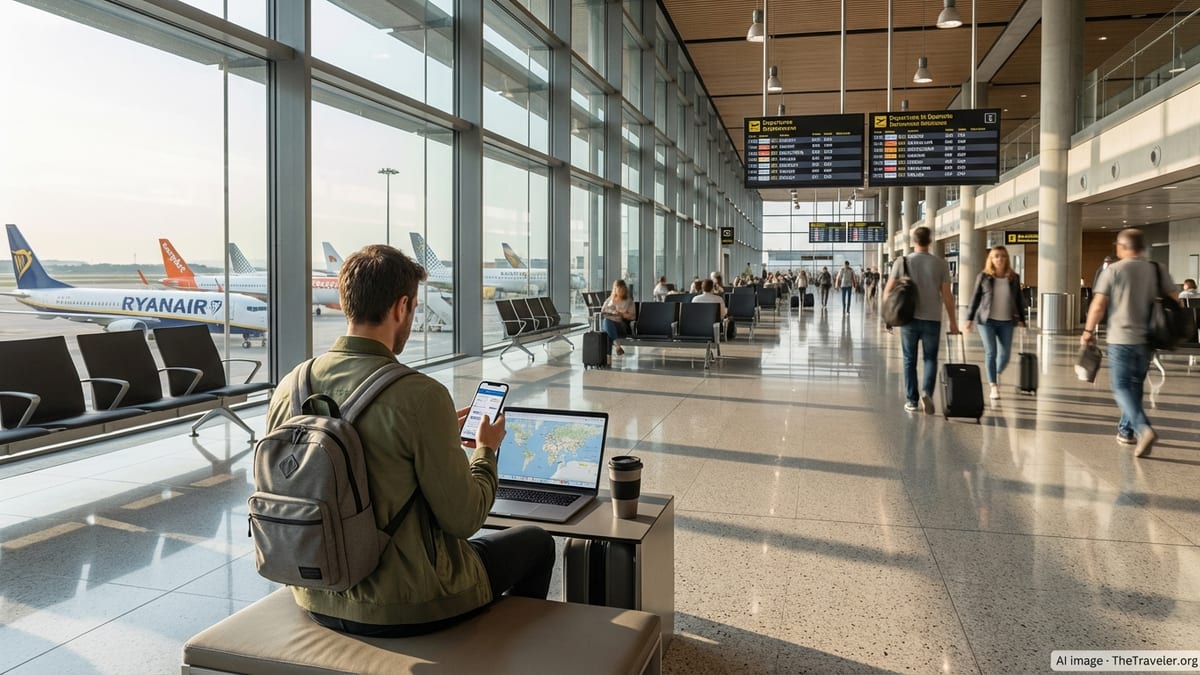
New digital checks at Schengen borders change the airport routine
Non European Union visitors landing in Spain or France now face a different arrival process than in previous years, as the Entry/Exit System has been rolled out across external Schengen borders. Publicly available European Commission material notes that the system became fully operational at all Schengen entry points in April 2026, replacing routine passport stamping with biometric registration for most non EU nationals.
Spain has integrated the system at its major airports and external border crossings, and travel industry briefings in July 2026 indicate that the country has not paused or softened implementation for the peak summer season. Reports describe airlines and airports warning passengers about possible extra time at first entry, as fingerprints and facial images are captured before travelers proceed to baggage claim.
In practice, this means first time arrivals on a given passport should expect a slower initial border check, particularly at busy hubs such as Madrid Barajas or Barcelona El Prat. Subsequent trips on the same passport are expected to move faster, since the biometric profile is already stored, but travelers are still being advised to arrive earlier than they might have in past years to account for unpredictable queues.
Alongside the new system, European policy documents continue to flag the coming European Travel Information and Authorisation System, which will add a pre travel clearance layer for visa exempt nationals once fully active. Although the detailed start date and procedures are still being phased in, public reports consistently describe ETIAS as an additional requirement that travelers to both Spain and France will need to factor into future planning.
Security advisories urge increased caution, not a halt to travel
Spain and France both remain on many travelers’ shortlists for late 2026, but government advisories are emphasizing a more cautious mindset. The United States maintains Spain at Level 2 on its four tier scale, which calls for increased caution, citing risks such as terrorism and civil unrest alongside common crime. The advisory is framed as a reminder to stay alert around tourist sites, transportation hubs, and large gatherings rather than a call to avoid the country entirely.
France is listed separately on the same advisory platform, with guidance that highlights the possibility of demonstrations, opportunistic crime in transport and tourist corridors, and tighter security around symbolic locations. The broader worldwide caution notice updated in July 2026 also underscores a general request that Americans abroad keep a lower profile, monitor local news, and review contingency plans.
For travelers, these signals translate into practical steps rather than dramatic itinerary changes. Insurance providers and risk consultants now commonly recommend that visitors to both Spain and France register with their national consular services, share itineraries with family or friends, and stay flexible in case of localized disruptions such as marches, transport strikes, or short notice security cordons.
Local and national authorities in France and Spain continue to publicize visible patrols in city centers, on public transit and at major cultural sites, and recent government press releases describe large summertime deployments in urban regions. Current coverage portrays these operations as designed to keep tourism moving while managing crowds and potential flashpoints, especially around public holidays and high profile sporting events.
Heatwaves and climate concerns reshape city breaks
Summer heat has become a central planning factor for trips to both France and Spain, particularly for visitors targeting July and August. France’s public health agency has released retrospective analyses of the 2024 Paris Olympic period and subsequent summers, emphasizing the strain that prolonged high temperatures place on hospitals and vulnerable residents. More recent local tourism updates from Paris describe the activation of heatwave plans in July 2026, with alerts moving from orange to red status as temperatures climbed.
These alerts have a direct impact on visitors. Municipal guidance in Paris during the current heat episode includes restrictions on some outdoor events, advice to avoid peak afternoon hours, and reminders that not all accommodation or heritage buildings are equipped with modern air conditioning. Museums and attractions have responded by adjusting opening hours, adding extra shaded queuing areas, or encouraging online time slot reservations to smooth crowds during the coolest parts of the day.
In Spain, where many inland cities regularly experience extreme summer temperatures, travel recommendations from official consular sites highlight the importance of hydration, sun protection, and close attention to local weather bulletins. Public information also points to periodic wildfire risk in rural and coastal regions, which can lead to temporary road closures or detours at short notice, particularly in high summer.
For travelers, this evolving climate backdrop suggests a shift in strategy. Booking air conditioned accommodation well in advance, prioritizing morning and late evening sightseeing, and planning indoor cultural visits during the hottest hours are all increasingly presented as standard advice rather than optional extras. Some travel commentators also note a growing interest in shoulder season trips to Spain and France, as visitors look to trade high season energy for more manageable temperatures.
Urban transport and crowd management in focus
France continues to refine its transport security strategy after the Paris 2024 Olympic and Paralympic Games, and recent communications from the transport and interior ministries describe intensified summertime patrols on trains, metros, and key stations in the capital region. The approach, highlighted in early July 2026 briefings, combines additional personnel in uniform, surveillance, and coordination between transport operators and police prefectures.
Freely available guidance targeted at visitors explains that routine bag checks at station entrances, temporary route changes, or partial platform closures are possible when large events overlap with school holidays or major sports fixtures. These measures, which have previously been used around national day festivities and international football matches, can temporarily slow journeys but are framed as part of a broader effort to keep services running during peak demand.
In Spain, transport operators and tourism boards have been drawing attention to heavier seasonal traffic on highways and regional roads in July and August, particularly around coastal gateways and pilgrimage routes. Official travel information points out that accident rates tend to rise during these months, and visitors are encouraged to plan longer driving times, rotate drivers on long stretches, and avoid overnight drives immediately after long haul flights.
Across both countries, domestic tourism rebounds and international arrivals have combined to push popular rail and air corridors close to capacity during school holidays. Transport agencies recommend booking long distance trains as early as possible, checking for strike notices that occasionally affect services in France and Spain, and building slack into connections when transiting through major hubs such as Paris, Madrid or Barcelona.
Documentation, timing and practical steps before departure
With new digital systems and shifting conditions on the ground, current guidance for Spain and France emphasizes preparation before departure. European Union information campaigns on the Entry/Exit System advise non EU visitors to check their passport validity carefully, ensure that personal details match their bookings, and confirm whether they will need pre travel authorizations such as ETIAS once that system becomes fully active.
Travel advisories and consular pages also recommend that visitors keep both a physical and digital copy of key documents, including passport identification pages, health insurance details, and proof of accommodation or onward travel. Having backups stored securely online or in encrypted devices is presented as a safeguard if bags are lost or stolen in crowded transport hubs or tourist districts.
Health related advice has been updated as well. Public health agencies in France point to lessons from large event surveillance, urging travelers to keep routine vaccinations current and to carry any necessary prescriptions in original packaging, along with a doctor’s letter if they travel with medical devices. Spanish foreign ministry recommendations echo similar points and additionally highlight the value of European Health Insurance Cards or equivalent coverage for eligible visitors within the region.
Finally, industry and official resources alike stress the value of staying informed. Subscribing to airline alerts, enabling notifications from local weather and civil protection services once on the ground, and monitoring reputable national news outlets can help travelers adapt quickly if an extreme weather episode, strike, or demonstration affects their route. For most visitors, the result is not a cancelled trip to Spain or France in 2026, but a more deliberate approach to planning, packing and daily decisions on the road.