


More news on this day
A PSA Airlines regional jet operating for American Eagle as Flight JIA5222 diverted to Dayton, Ohio, during its scheduled journey, according to live flight-tracking data and publicly available operational information.
Get the latest news straight to your inbox!
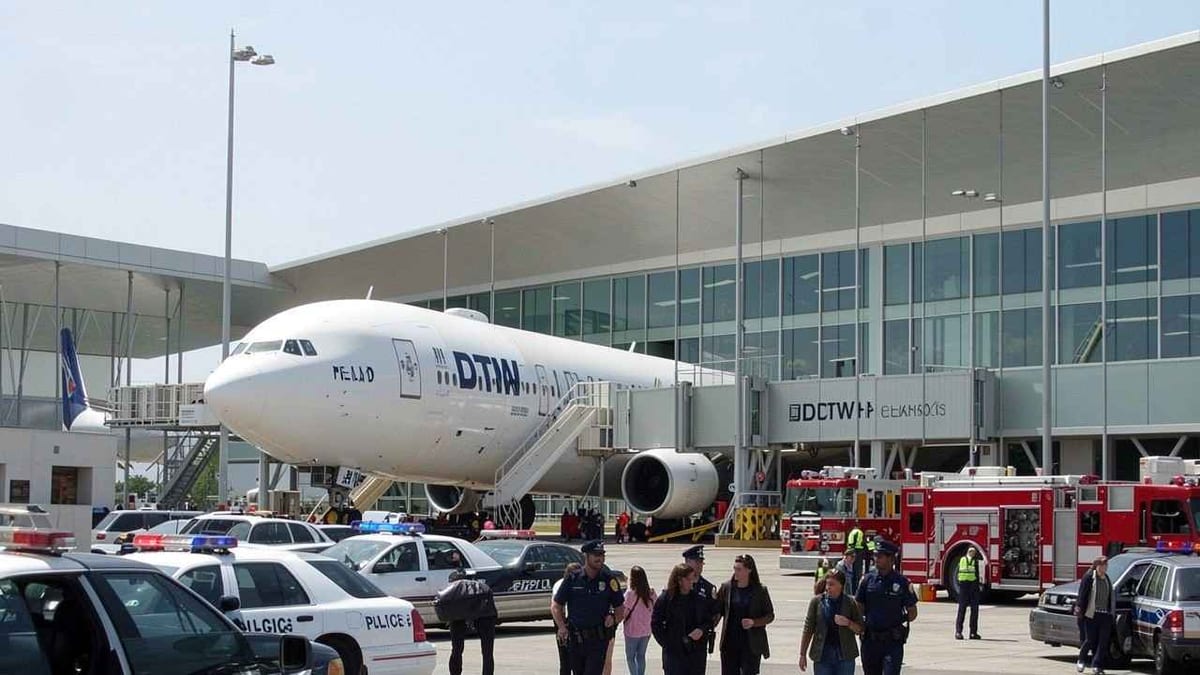
Unexpected diversion brings regional jet to Dayton
Live tracking services show Flight JIA5222, operated by PSA Airlines on behalf of American Eagle, altering its planned routing and touching down in Dayton instead of its intended destination. The aircraft, a Bombardier CRJ700-series regional jet configured for short to medium-haul routes, followed a generally routine profile before adjusting course for Dayton.
Publicly available data indicates the diversion occurred late in the flight, after the aircraft had already reached cruising altitude and progressed through much of its scheduled track. The change resulted in a shorter-than-planned flight time to Dayton, where the aircraft completed a safe landing.
There have been no reports of injuries among passengers or crew, and available information suggests the event was managed as a controlled operational diversion rather than an emergency landing.
Operational factors under review
At the time of the diversion, the broader US airspace system was coping with a mix of summer weather patterns and routine traffic-management initiatives, conditions that often contribute to route changes, delays, and occasional unscheduled stops. While the specific trigger for Flight JIA5222’s diversion has not been detailed in public records, such events typically relate to weather, maintenance checks, or crew-duty timing limits.
Industry data shows that regional carriers like PSA Airlines, which fly under the American Eagle brand, frequently operate into and out of Dayton. The airport functions as a familiar station within PSA’s network, which can make it a practical option when an aircraft requires an alternate airport on relatively short notice.
No official investigative docket has been published in connection with this diversion, and it is being treated, based on the information currently available, as a routine irregular operation within the commercial aviation system.
Impact on passengers and onward connections
The diversion to Dayton left travelers from Flight JIA5222 facing disrupted plans, including missed connections and revised arrival times at their original destination. Airline mobile applications and airport customer-service teams typically handle such schedule changes by rebooking customers on later flights or, where necessary, arranging overnight accommodation and ground transport.
Publicly available reports from similar diversions show that passengers are often offered meal vouchers and alternate travel options, particularly when irregular operations extend into lengthy ground delays. For Flight JIA5222, re-accommodating travelers through Dayton’s regional network and larger American Airlines hubs appears to have been the most likely strategy.
While frustrating for those on board, diversions of this kind are generally prioritized around maintaining safety margins and compliance with aviation regulations, with scheduling and convenience addressed only after the aircraft is safely on the ground.
PSA Airlines and Dayton’s long-standing connection
PSA Airlines, a wholly owned subsidiary operating under the American Eagle banner, has deep ties to Dayton. The carrier’s history in the region stretches back decades, and Dayton has long served as both an operational base and a key point in the airline’s route network.
This long-standing relationship means that PSA maintains established maintenance and ground-handling arrangements in Dayton. When a flight diverts there, crews, technicians, and support staff are typically on hand or readily available to assess the aircraft, plan the onward journey, and coordinate with American’s broader network schedulers.
Flight JIA5222’s unscheduled arrival reinforces Dayton’s role as a practical diversion field for regional services, allowing operations teams to make use of existing infrastructure and local expertise when a flight cannot continue as planned.
Routine diversions in a busy summer travel season
Commercial aviation data shows that diversions are a regular feature of airline operations, particularly during peak travel periods marked by strong thunderstorm activity and heavy traffic. Most such events never rise beyond a brief mention in airline records or operational logs, as they are handled within existing procedures and safety frameworks.
The redirection of Flight JIA5222 to Dayton fits within this broader pattern of routine operational adjustments. Airlines monitor aircraft performance, onboard systems, en route weather, and traffic constraints in real time, and dispatchers have authority to work with flight crews to reroute or divert when conditions warrant.
For travelers, the episode is a reminder that diversions, while inconvenient, are part of the layered safeguards that define modern air travel. Decisions to alter course or land at an alternate airport are made to preserve ample safety margins, even when the specific reasons are not immediately disclosed in public-facing updates.