


More news on this day
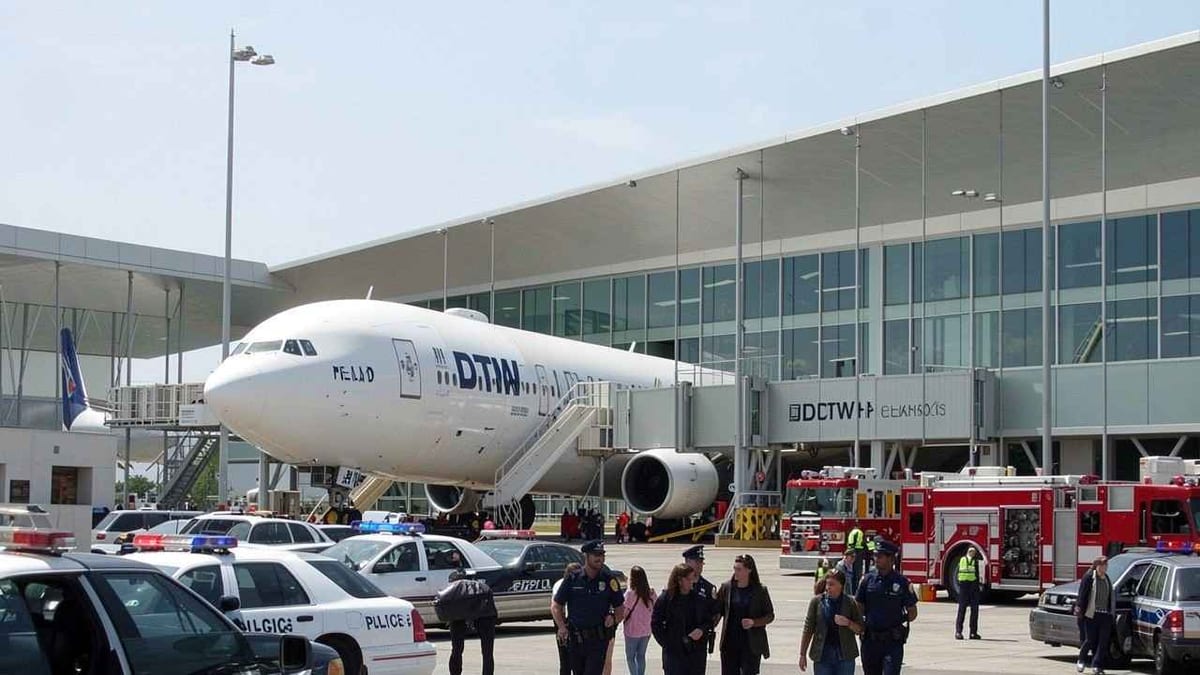
A Republic Airways regional jet operating as Delta Connection Flight RPA5592 diverted to Richmond, Virginia, after an in-flight issue prompted a change of course, according to publicly available flight tracking data and aviation records.
Get the latest news straight to your inbox!
Unscheduled Landing Brings Regional Route Under Scrutiny
Initial information from flight tracking platforms indicates that RPA5592 was operating a regularly scheduled Delta Connection service under the Republic Airways banner when the aircraft deviated from its planned routing and headed to Richmond International Airport. The diversion unfolded over the eastern United States airspace, with the aircraft descending and aligning with arrival paths into Richmond rather than its originally intended destination.
Available data suggest that the aircraft landed safely in Richmond and taxied to the terminal area, where passengers were able to disembark. No major injuries have been reported through public channels, and there are no indications in open-source aviation databases of any serious structural damage to the airframe. For most travelers on board, the primary impact appears to have been schedule disruption rather than a direct safety incident.
The diversion of RPA5592 adds to a series of recent unscheduled landings among U.S. regional services that have attracted attention from aviation observers. While each case involves distinct operational factors, the cumulative effect has been to focus traveler interest on how regional affiliates handle weather, technical issues, and airspace constraints across the domestic network.
Republic Airways and the Delta Connection Network
Republic Airways operates as a contract carrier for several major U.S. airlines, including flying under the Delta Connection brand using Embraer regional jets. Public fleet records show that Republic deploys Embraer 170 and 175 aircraft on dense short to medium-haul routes, linking major hubs with smaller cities and secondary markets. These aircraft are a familiar sight at airports served by Delta, American, and United, reflecting Republic’s role as a key regional partner.
Within the Delta Connection portfolio, Republic flights such as RPA5592 are integrated into Delta’s broader schedule, with code-shared flight numbers visible to passengers booking through Delta’s channels. This model allows Delta to extend its reach into markets where demand supports a smaller aircraft while still providing branded service, loyalty benefits, and connectivity across its hub system.
Recent planning documents and airport access lists show Republic present at a range of U.S. airports as both an American Eagle and Delta Connection operator, underscoring the carrier’s flexibility within the regional ecosystem. Diversions like that of RPA5592 highlight how these regional partners are on the front line of day-to-day operational challenges, from thunderstorms and congestion to air traffic flow programs.
Operational Context: Weather, Capacity and Summer Strain
The diversion of RPA5592 occurred during a period of heightened operational pressure across the U.S. network, with summer heat, localized fuel constraints and convective weather systems contributing to a complex operating environment. Recent exception bulletins published for Delta’s agency partners reference disruptions in several East Coast markets, including advisories tied to fuel availability and high temperatures affecting performance margins for regional aircraft.
These kinds of conditions can increase the likelihood that a flight will divert or that crews will opt for a closer or more suitable airport when conditions along the planned route deteriorate. Richmond’s location in the mid-Atlantic, with multiple instrument approaches and the ability to accommodate a mix of mainline and regional traffic, makes it a practical alternative when constraints build up at other airports along the corridor.
Industry reporting and government consumer air travel data also show that diversions, while statistically rare compared with the total number of flights, cluster during busy summer months when thunderstorms and airspace saturation are most acute. RPA5592’s change of course appears to fit into this broader seasonal pattern of precautionary route adjustments and off-schedule arrivals.
Passenger Impact and Rebooking Options Through Richmond
For travelers on RPA5592, the most immediate consequence of the diversion was an unscheduled arrival in Richmond rather than the flight’s original endpoint. In typical cases of this kind, customers are rebooked on later departures from the diversion airport or provided with onward ground transport if air options are limited. Although detailed re-accommodation data specific to RPA5592 are not publicly available, Delta’s general customer policies and exception bulletins outline refund or rebooking pathways when flights are significantly disrupted.
Richmond International Airport’s role as a spoke in multiple airline networks can mitigate some of the inconvenience associated with a diversion. The airport offers connections to major hubs, including Atlanta and other southeastern and northeastern cities, which allows airlines to move passengers onward once operations stabilize. Recent schedules show a mix of mainline and regional services into Richmond, giving carriers some flexibility in absorbing additional passengers when an unscheduled arrival occurs.
Travelers affected by diversions such as that of RPA5592 are typically encouraged, through standard airline communications, to monitor their booking status via airline apps or customer service channels. Same-day changes, hotel accommodations in the event of overnight delays, and meal vouchers may be provided depending on the length and cause of the disruption, as outlined in published contract-of-carriage and customer commitment documents.
What the Diversion Signals for Regional Travelers
From a broader travel perspective, the RPA5592 diversion underscores the importance of flexibility when flying on regional routes that are more exposed to weather, crew availability and airspace constraints. While mainline jets face similar risks, the thinner schedules on some regional legs can mean fewer immediate backup options when disruption occurs, especially later in the day.
For passengers planning itineraries in the current travel environment, recent patterns across U.S. carriers suggest practical strategies such as allowing longer connection windows, avoiding the final evening departure on critical segments when possible, and keeping a close eye on developing weather in connecting regions. Publicly accessible operational data and advisory bulletins show that when conditions tighten, regional frequencies are often among the first to experience rolling delays or route adjustments.
The safe arrival of RPA5592 in Richmond, despite its unscheduled change of destination, reflects standard industry practice in prioritizing a stable operating environment over strict adherence to the original route. For many travelers, understanding how and why such decisions are made can help set expectations and inform more resilient trip planning during peak travel months.