


More news on this day
Qatar has moved to fully reopen its maritime corridors in coordination with the United Arab Emirates, Saudi Arabia and Oman, a step that signals a tentative normalization of sea traffic across the Gulf after months of rerouting, port alerts and navigation risks that disrupted cargo flows and complicated travel plans.
Get the latest news straight to your inbox!
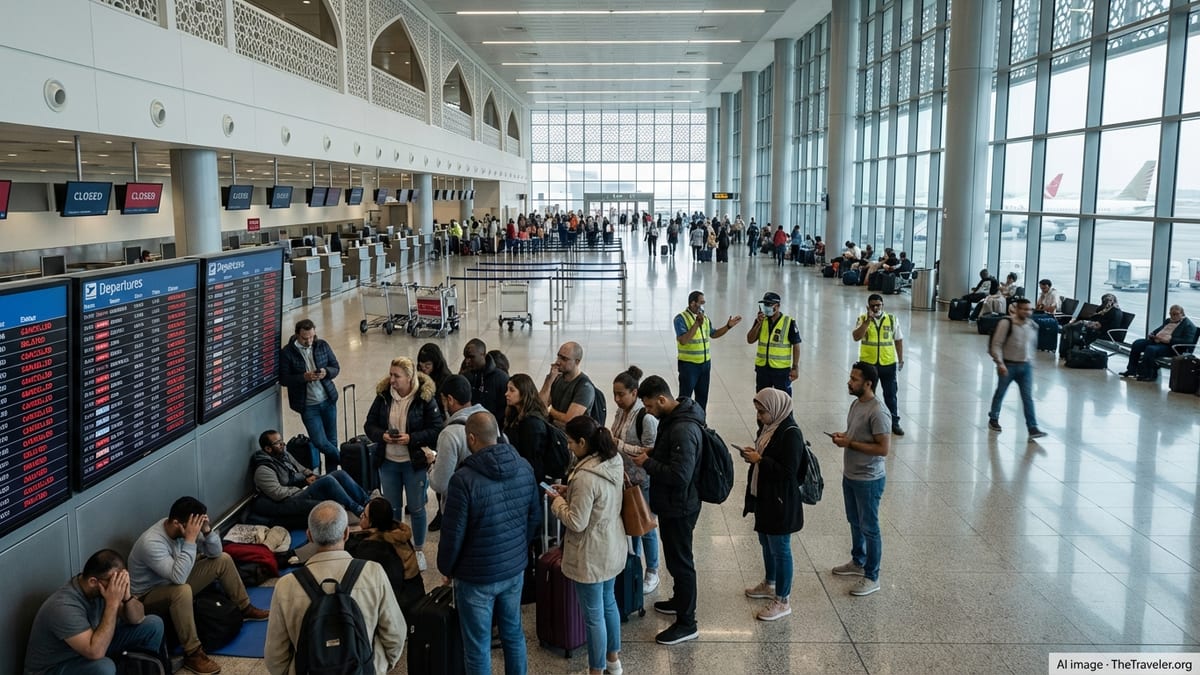
Coordinated Gulf reopening after months of disruption
According to recent regional shipping advisories and industry coverage, Doha has authorized the full resumption of commercial vessel movements from 12 April 2026, aligning its stance with neighboring Gulf states that have kept ports operational while managing heightened security conditions. The decision follows a period in which precautionary slowdowns, diversions and temporary port-level measures reshaped how cargo and passenger vessels transited the Arabian Gulf and nearby chokepoints.
Publicly available information shows that major ports in the United Arab Emirates, Saudi Arabia, Oman and Qatar have largely remained open, even as shipping companies adjusted schedules and routes to avoid perceived high-risk areas. Port circulars from early March 2026 indicated that core hubs such as Jeddah Islamic Port, Jebel Ali, Sohar, Salalah, Ras Laffan and Hamad Port continued to receive vessels while operating under elevated security postures and, in some locations, dealing with intermittent technical issues such as GPS interference.
The latest Qatari move brings formal clarity for shipowners and logistics planners that had already begun cautiously increasing calls at Gulf ports as conditions stabilized. For the wider Middle East network, the combined posture of Qatar, the UAE, Saudi Arabia and Oman effectively reestablishes the Gulf as a primary gateway for freight and passenger flows, even as parts of the Red Sea and adjacent waters remain under closer scrutiny.
Industry analysts note that this coordinated reopening does not eliminate maritime risk in the region, but it does reduce operational uncertainty. Carriers can plan schedules with greater confidence, while insurers and charterers gain a clearer framework for assessing exposure on calls to key Gulf terminals.
What the restoration of maritime movement means for shipping
The restoration of regular maritime movement across Gulf ports is expected to ease some of the congestion and cost pressures that built up as vessels diverted around contested waterways. Since late 2023, attacks and threats in the Red Sea, Bab al Mandab and surrounding areas pushed many liners and energy carriers to reroute via the Cape of Good Hope, adding transit time and fuel costs to Asia–Europe and Gulf–Europe services.
World Bank assessments and shipping line advisories highlighted how Gulf exporters, including Qatar’s liquefied natural gas sector and Saudi crude shipments, were among those forced to adopt longer routes. As Gulf ports now operate in a more synchronized fashion, logistics planners can increasingly blend overland corridors, Gulf transshipment hubs and selective use of Suez-bound routes when deemed safe, rather than relying almost exclusively on extended detours.
Public reporting from maritime risk consultancies indicates that regional port infrastructure in the UAE, Saudi Arabia and Oman has absorbed significant additional volume over the past year, strengthening their role as alternative gateways for cargo originally bound through the Red Sea. Qatar’s alignment with these neighbors reinforces that network, offering carriers more options for relay, storage and consolidation across the upper Gulf.
Freight forwarders are already signaling that while elevated insurance premiums and security surcharges are likely to persist on some routes, schedule reliability in and out of Gulf ports should gradually improve. That in turn could help stabilize container rates on key trades that connect South Asia, East Africa and Europe via the Arabian Gulf.
Travel and cruise implications for passengers
For travelers, the reopening of Qatar’s sea routes and the continued operation of ports in the UAE, Saudi Arabia and Oman carry several practical implications, particularly for regional cruises, ferries and ancillary tourism linked to port calls. Before the latest adjustment period, Gulf cruises calling at ports such as Doha, Abu Dhabi, Dubai, Muscat and Salalah had emerged as a growing niche, often bundled with air connections through regional hubs.
During recent months of heightened tension, some cruise itineraries were revised or shortened, while operators monitored maritime advisories for the Strait of Hormuz and surrounding approaches. With Qatar now formally realigning its maritime posture with its neighbors, industry observers expect more cruise companies to reinstate multi-port Gulf itineraries for upcoming seasons, albeit with built-in flexibility to alter routes if conditions change.
Passenger ferry and small-craft activity, including regional yacht movements and charter operations, also stand to benefit from greater regulatory clarity. While safety protocols and routing guidance remain in force, a consistent stance among Gulf states makes it easier for operators to plan port calls, secure berths and coordinate immigration and customs processes tied to maritime arrivals.
Travelers considering sea-based trips in the region are still encouraged, by publicly available advisories, to check the latest guidance from their carriers and travel providers. However, the broad reopening of Gulf maritime corridors points to a more predictable environment for combining sea journeys with stays in coastal destinations across Qatar, the UAE, Saudi Arabia and Oman.
Ongoing security considerations for operators and insurers
Despite the positive signal sent by Qatar’s coordination with its neighbors, the wider maritime security environment in the Middle East remains complex. Joint advisories issued in late February and early March 2026 describe conditions in the Arabian Gulf, Gulf of Oman, North Arabian Sea, Bab al Mandab and Strait of Hormuz as volatile, with ongoing military activity and intermittent interference affecting navigation and communications systems.
In practice, this means ship operators continue to face evolving risk calculations. Reports from the United Kingdom Maritime Trade Operations center and other monitoring bodies emphasize the potential for sudden changes in threat levels, including drone and missile activity, cyber interference with positioning systems and localized port disruptions. Some oil and gas terminals in the region have faced temporary shutdowns or restrictions after security incidents, underscoring the need for dynamic voyage planning.
Insurance markets have responded by tightening war-risk coverage terms for calls and transits in sensitive zones, as reflected in specialist broker bulletins and industry commentary. Underwriters are closely tracking how Gulf states manage both coastal defenses and port security, and Qatar’s alignment with the UAE, Saudi Arabia and Oman offers a degree of reassurance that there is a shared framework for risk mitigation and incident response.
For shipowners, this environment translates into a continued emphasis on up-to-date routing advice, active monitoring of maritime security alerts and close coordination with charterers when scheduling calls at Gulf ports. The restoration of maritime movement is therefore being interpreted less as a full return to pre-crisis normality and more as a managed reopening under enhanced vigilance.
What shippers and travelers should watch in the coming weeks
Over the next several weeks, logistics and travel stakeholders will be watching for evidence that the coordinated Gulf reopening translates into smoother operations and more reliable timetables. Cargo owners will track whether container dwell times and berth waiting periods at major ports decline as traffic patterns rebalance. An uptick in scheduled sailings to and from Hamad Port, Jebel Ali, Dammam and Sohar would signal confidence among carriers that the risk of sudden closures is receding.
Energy markets will be monitoring the pace at which liquefied natural gas and crude shipments from Qatar and Saudi Arabia normalize through Gulf export terminals. If the current posture holds, analysts anticipate a gradual shift back toward more typical routing mixes, with fewer extended diversions via southern Africa and a greater role for integrated Gulf–Red Sea logistics chains when conditions in key chokepoints allow.
On the travel side, observers will look for cruise lines to publish updated Gulf itineraries that again feature multi-country port calls, alongside the resumption or expansion of coastal excursion offerings in cities like Doha, Dubai, Abu Dhabi and Muscat. Hotel and tourism sectors in these destinations are likely to adjust marketing to highlight the return of maritime arrivals as part of broader recovery in regional connectivity.
For now, the coordinated approach taken by Qatar, the UAE, Saudi Arabia and Oman marks a notable shift from the fragmented, crisis-driven responses that dominated the early months of the Red Sea and Gulf disruptions. While underlying security challenges persist, the decision to restore maritime movement across the Middle East’s key Gulf gateways is a significant step toward rebuilding confidence among shippers, cruise operators and travelers who depend on these sea routes.